
Lebanon Hospital Strikes Impact Most Vulnerable Patients, Warns WHO
Introduction
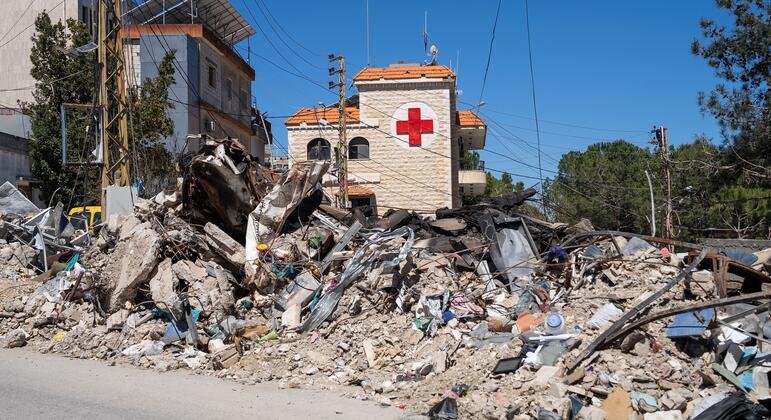
Lebanon has been facing a significant health crisis exacerbated by recent hospital strikes, with the World Health Organization (WHO) sounding alarm bells about the situation. These strikes have profound implications, especially affecting the most vulnerable patients in the region. This article delves into the impact of these strikes on healthcare services, the underlying causes, and potential solutions.
The Current State of Healthcare in Lebanon
Economic Challenges
Lebanon’s economy has been in freefall for years, leading to a deterioration of the healthcare system. With rampant inflation and a devaluation of the Lebanese pound, many hospitals are struggling to maintain basic services. Medical professionals are often underpaid, leading to widespread dissatisfaction and, ultimately, strikes.
COVID-19 Aftermath
Even before the strikes, Lebanon’s healthcare system was reeling from the impacts of the COVID-19 pandemic. Hospitals were overwhelmed, resources were stretched thin, and many healthcare workers left the country in search of better opportunities.
The Impact of Hospital Strikes
Immediate Effects on Patient Care
The strikes led to the suspension of various medical services in Lebanon’s hospitals, affecting both elective procedures and emergency care. Vulnerable populations, including those with chronic diseases, elderly patients, and low-income individuals, faced delays in receiving essential treatments.
Increased Health Risks
As hospitals struggle to keep their doors open, the health risks for marginalized communities grow exponentially. Conditions such as diabetes, heart disease, and mental health disorders require regular medical attention. Strike-induced delays could lead to complications, hospitalizations, and even fatalities.
Psychological Impact
The psychological toll of these strikes cannot be overstated. Patients waiting for critical treatments often experience increased anxiety and depression, particularly the elderly and those with preexisting mental health conditions. The uncertainty surrounding their health exacerbates their fragility.
Vulnerable Groups Affected
Children
Children represent one of the most vulnerable demographics affected by the healthcare crisis in Lebanon. Routine vaccinations, pediatric care, and necessary medical interventions have been halted or delayed due to the strikes. This poses serious long-term health risks.
Women
Women, especially pregnant women, face unique challenges amid this crisis. The lack of available obstetric care can lead to complications during pregnancy and childbirth. According to WHO statistics, maternal and infant mortality rates may rise due to these healthcare disruptions.
Elderly Population
The elderly population in Lebanon is particularly at risk during this crisis. Many suffer from chronic health conditions that require ongoing treatment. Delays in care can worsen these conditions, leading to adverse health outcomes and increased hospitalizations.
WHO Warnings and Recommendations
The WHO has consistently warned that uninterrupted access to essential healthcare services is critical, especially during times of crisis. They recommend taking immediate action to ensure that healthcare delivery systems are safeguarded.
Prioritize Emergency Services
WHO urges that emergency and life-saving services should be prioritized during these strikes. Hospitals must ensure that patients requiring urgent care still have access to the necessary treatments.
Engage with Healthcare Workers
To end the cycle of strikes that jeopardize patient care, it’s crucial to engage with healthcare professionals and address their grievances. Improving working conditions and remuneration can help stabilize the workforce, reducing the likelihood of future strikes.
Strengthen Community Health Services
Investing in community health services can alleviate some of the pressure on hospitals. By equipping local clinics and healthcare centers with adequate resources, many non-emergency cases can be redirected away from hospitals, allowing them to focus on critical issues.
Long-term Solutions
Investment in Healthcare
The Lebanese government, with support from international organizations, must prioritize healthcare funding and investing in facilities. Proper allocation of resources will help rebuild a healthcare system that has been systematically deteriorating.
Engaging the Diaspora
Lebanon has a robust diaspora with many healthcare professionals willing to contribute to rebuilding the nation’s medical system. Engaging these individuals can provide a wealth of knowledge and experience.
Regional Cooperation
Cooperation with neighboring countries can provide additional resources and expertise. By forming regional alliances, Lebanon can better position its healthcare system to respond to crises.
Conclusion
The ongoing hospital strikes in Lebanon pose a severe threat to the most vulnerable populations, as highlighted by the World Health Organization. While immediate impacts are evident, the long-term consequences of these strikes on public health are yet to be fully realized. It is vital that all stakeholders work collaboratively—government, healthcare professionals, and international organizations—to address these issues urgently. By focusing on long-term solutions, Lebanon can rebuild its healthcare system and ensure that the needs of its most vulnerable citizens are prioritized.
Call to Action
It’s imperative for the global community to acknowledge the situation in Lebanon and provide support. Whether through financial aid, medical supplies, or expertise, every little bit counts. Advocacy and awareness can also make a significant difference—spreading the word can lead to more people taking action to help those in need. Together, we can create a more resilient healthcare system in Lebanon for generations to come.
By focusing on these issues, we can ensure that Lebanon’s most vulnerable patients receive the care they need and that such a crisis does not reoccur in the future.
For more details and the full reference, visit the source link below:
Read the complete article here: https://news.un.org/feed/view/en/story/2026/06/1167621