
From Libyan Deserts to 3D-Printed Guns: The Weapons That Never Go Away
Introduction
In a world increasingly shaped by technology and conflict, the evolution of weaponry continues to astonish. From the arid conditions of the Libyan deserts to the digital fabrication halls, the journey of weapons has transformed significantly. This article explores the persistence of arms, emphasizing historical contexts, modern developments, and future implications of weapons like 3D-printed firearms.
Historical Context: The Libya Conflict
The Libyan Civil War, which erupted in 2011, serves as a significant backdrop for discussing enduring weapons. The country became a battleground for various factions, each vying for power. Armed with everything from conventional arms to improvised weaponry, the conflict highlighted a stark reality: when stability falters, the proliferation of both outdated and modern firearms accelerates.
The Role of NATO Involvement
NATO’s intervention in Libya is a crucial turning point that marked the proliferation of weaponry in the region. When the coalition forces carried out airstrikes against Gaddafi’s regime, they inadvertently unleashed a wave of arms, leading to further instability. This historical context underlines an important point: once weapons enter a local environment, they rarely disappear.
The Everlasting Nature of Conventional Arms
Small Arms: The Weapons that Won’t Go Away
Small arms, often referred to as the “weapons of the weak,” are particularly resilient. They are easily accessible and can be manufactured using minimal resources. Countries like Libya display how conflict zones become repositories for these weapons. The importance of small arms in maintaining power dynamics cannot be overstated, and their prevalence makes them difficult to eradicate.
Impact of Global Supply Chains
The global arms trade has further solidified the enduring nature of conventional firearms. Supply chains provide a steady influx of weapons to conflict zones, whether through legal means or black market channels. Countries facing turmoil often find themselves inundated with assorted arms, complicating any potential disarmament efforts.
Emergence of New Technologies
The Rise of 3D-Printed Guns
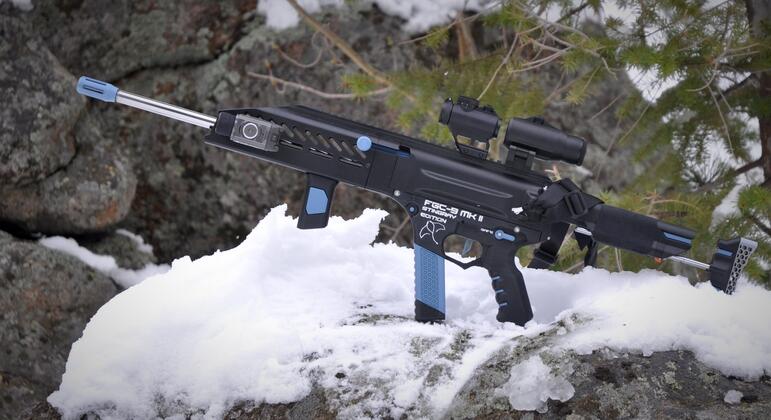
As technology evolves, so do the methods of weapon production. Among these advancements, 3D printing stands out as both revolutionary and concerning. 3D-printed guns have emerged as a potentially unregulated menace, allowing individuals and groups to produce firearms without the scrutiny associated with traditional manufacturing.
Accessibility and Risks
The accessibility of 3D printing technology poses significant risks. As the costs of printers decrease, the ability to produce firearms is shifting from factories to garages, complicating enforcement and regulation. This new form of weaponry epitomizes how technology outpaces regulatory frameworks, leading to dilemmas that echo the issues witnessed in Libya.
The Social Implications of 3D-Printed Weapons
3D-printed firearms allow for anonymity; individuals can create weapons without needing to go through background checks or legal channels. This effect creates a permissive environment for malfeasance. As shown in various digital platforms, resources on how to create these firearms proliferate, raising serious concerns about public safety.
The Geography of Weapon Resilience
North Africa: A Case Study
In regions like North Africa, the landscape is marred by the ongoing presence of weapons. Libya, in particular, serves as a microcosm for understanding how and why weapons remain in circulation. After the fall of the Gaddafi regime, myriad groups formed, capitalizing on the chaos and armament surplus.
The Role of Non-State Actors
Non-state actors, ranging from militia groups to terrorist organizations, thrive on the availability of weapons. The unregulated nature of arms in these regions fuels their operations, making conventional and modern firearms indispensable tools for maintaining power and influence.
Future Implications: Regulatory and Ethical Considerations
Challenges in Regulation
The introduction of 3D-printed firearms raises considerable regulatory challenges. Governments must contend with a weapon that can be created with minimal resources and expertise. Unlike standard firearms that require stringent regulations, 3D-printed guns operate in a digital space that complicates enforcement and oversight.
Ethical Dilemmas in Armament
With 3D printing technology advancing, ethical considerations surrounding weapon development become more pronounced. The line between innovation and responsibility grows blurred, inspiring crucial debates about the societal implications of unfettered access to firearms.
Conclusion
The enduring nature of weapons, from the deserts of Libya to the burgeoning realm of 3D-printed guns, reflects a complex interplay between technology, conflict, and human behavior. While historical contexts ground our understanding, the futuristic landscape of weaponry prompts important conversations about regulation, responsibility, and the paths we must take to ensure a safer world. As long as weapons exist, so too will the challenges they pose. Understanding this cycle is the first step towards addressing not just the symptoms of violence, but its root causes.
Keywords for SEO Optimization
- Weapons history
- Libyan civil war
- 3D-printed firearms
- Small arms proliferation
- Global arms trade
- Non-state actors
- Weapon regulation
- Ethical considerations in armament
This exploration affirms that while the technologies evolve, the fundamental issues surrounding weapons—accessibility, regulation, and societal impact—remain deeply relevant.
For more details and the full reference, visit the source link below:
Read the complete article here: https://news.un.org/feed/view/en/story/2026/06/1167616

