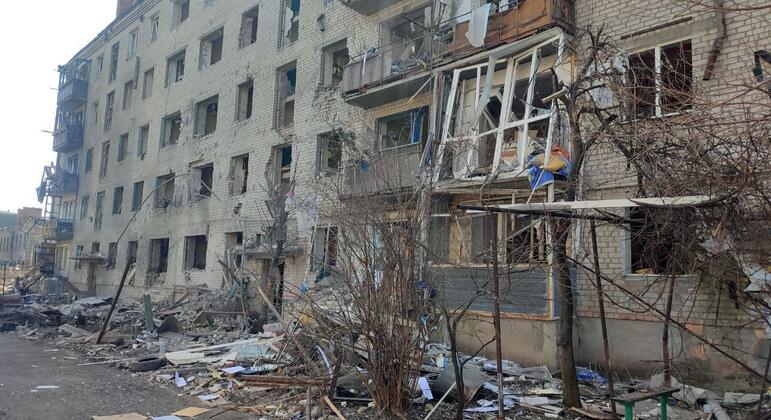

UN Warns Ukraine War Risks Spiraling ‘Out of Control’
Introduction
The ongoing conflict in Ukraine has drawn international attention and concern, particularly from the United Nations (UN). In recent statements, the UN has warned that the situation risks spiraling ‘out of control’, posing significant geopolitical, humanitarian, and economic consequences. This article explores the UN’s concerns, the implications of the war, and the urgent need for diplomatic solutions.
The Current Situation in Ukraine
Background of the Conflict
The conflict in Ukraine began in 2014, with Russia’s annexation of Crimea, leading to a prolonged war in the eastern regions of Donetsk and Luhansk. Over the years, this conflict has evolved, drawing in various international actors and affecting millions of lives. The war has not only destabilized Ukraine but has also raised alarms about regional security in Europe and beyond.
Recent Developments
As of recent months, the intensity of military operations has escalated, and both sides have engaged in aggressive tactics. The Ukrainian forces have launched counteroffensives to reclaim territory, while Russian troops bolster their presence in strategic locations. This escalation has raised fears that the conflict could spill over into a broader confrontation, potentially involving NATO and other global powers.
The UN’s Concern: Risks of Escalation
Humanitarian Crisis
One of the primary concerns raised by the UN is the humanitarian crisis resulting from the continuous fighting. Millions of Ukrainians have been displaced, and countless civilians suffer from lack of access to food, shelter, and healthcare. The UN has emphasized the urgent need for humanitarian aid and safe corridors to protect vulnerable populations caught in the crossfire.
Global Security Threat
The UN has also highlighted the risks the war poses to global security. The conflict’s potential to draw in larger military powers could lead to a much broader confrontation, reminiscent of Cold War tensions. The destabilization of Ukraine has repercussions that transcend borders, affecting energy supplies, trade routes, and international relations.
Nuclear Risks
Worryingly, recent clashes near strategic sites, including nuclear power plants, have exacerbated fears of a nuclear incident. The UN has urged all parties to observe safety protocols to prevent any accidents that could have catastrophic consequences, both locally and globally.
Diplomatic Efforts and Obstacles
The Need for Dialogue
While the situation remains tense, the UN maintains that dialogue and diplomacy are crucial for de-escalation. The organization advocates for peace talks that genuinely include the voices of all affected parties. Past attempts have seen a lack of sincerity from both sides, often stalling progress towards a peaceful resolution.
International Involvement
Global stakeholders, including the European Union and the United States, have taken steps to mediate the conflict. However, conflicting interests and geopolitical maneuvering complicate these efforts. The UN encourages sustained dialogue and cooperative frameworks involving all international actors to foster trust and create pathways for peace.
The Economic Impact of the War
Effects on Ukraine
The war has severely crippled Ukraine’s economy. Infrastructure has been devastated, with many businesses unable to operate due to ongoing hostilities. Agricultural production—vital for Ukraine’s economy—has also been disrupted, leading to food shortages not only domestically but also affecting global markets.
Global Economic Consequences
The war has broader implications for the global economy, particularly in energy markets. Sanctions against Russia have impacted oil and gas supplies, leading to price volatility. The UN has cautioned that the prolonged conflict could drive inflation rates upward and hinder global economic recovery from the COVID-19 pandemic.
Humanitarian Aid and International Response
UN’s Role in Humanitarian Assistance
The UN has been instrumental in delivering humanitarian aid to those affected by the conflict. Emergency funding, food supplies, and medical assistance are critical to alleviating the suffering of millions. However, the organization notes that access to affected areas remains a significant challenge due to ongoing military actions.
The Need for Increased Support
The UN has called for greater international commitment to support humanitarian initiatives. Increased funding and resources are essential to meet the escalating needs of those impacted by the war. Additionally, cooperation from both warring parties is critical to facilitate aid distribution and ensure safety for humanitarian workers.
Conclusion: A Call to Action
The UN’s warning that the Ukraine war risks spiraling ‘out of control’ serves as a stark reminder of the urgent need for renewed diplomatic efforts. The humanitarian crisis, potential global security threats, and economic repercussions necessitate immediate attention.
It is crucial for governments, organizations, and citizens around the world to engage in dialogue and advocate for peaceful resolutions. The international community must work together to explore all options that promote stability, human rights, and cooperation, ensuring that history does not repeat itself.
In conclusion, the future of Ukraine—and, indeed, global security—depends on our collective actions today. The UN’s role as a mediator and advocate for peace should be reinforced by international cooperation and a commitment to finding solutions that prioritize humanity over conflict.
For more details and the full reference, visit the source link below:
Read the complete article here: https://news.un.org/feed/view/en/story/2026/05/1167599