
Gaza: Life-Saving Medicines Blocked as Killing Continues, Disease Gains Ground
Introduction
The humanitarian crisis in Gaza has reached alarming levels, exacerbated by ongoing violence and blockades. As access to essential medicines becomes increasingly restricted, the population faces a dual threat: immediate violence and the insidious rise of disease. This article explores the profound impact of these challenges on the people of Gaza, highlighting the urgent need for international intervention and relief efforts.
The Current Situation in Gaza
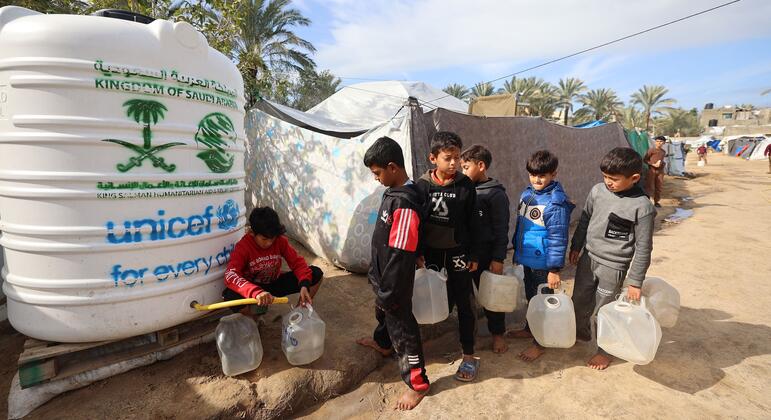
Gaza, a small coastal enclave home to approximately two million Palestinians, has long been subject to economic blockade and military conflict. The situation has been particularly dire in recent years, with escalations in violence leading to significant loss of life and the destruction of vital infrastructure. Residents are not only grappling with the immediate dangers of airstrikes but also suffering from a lack of food, clean water, and medical supplies.
The Humanitarian Crisis
According to reports from humanitarian organizations, more than 70% of Gaza’s population relies on aid for survival. This includes food, medical assistance, and other essential services. Unfortunately, the blockade imposed by Israel and Egypt severely limits the flow of humanitarian aid, resulting in dire shortages of life-saving medicines and medical equipment.
The Consequences of Blocked Medicines
Rising Disease Rates
With the blockade restricting access to crucial medications, diseases such as diabetes, hypertension, and mental health disorders are becoming increasingly difficult to manage. Chronic illness patients are left without their necessary treatments, leading to complications that could have been easily prevented with timely medical intervention.
Mental Health Crisis
The psychological toll of living in a conflict zone is immense. The continuous violence and uncertainty contribute to a mental health crisis in Gaza. Yet, mental health services and medications are in scarce supply, leaving individuals to cope without the support they critically need. Anxiety, depression, and PTSD are rampant, further complicating the health landscape in the region.
Infrastructure Challenges
Overwhelmed Healthcare System
The healthcare infrastructure in Gaza is on the brink of collapse. Hospitals are frequently damaged in conflicts, and the few that remain operational often face overwhelming patient loads. Medical staff, working under dire conditions, lack the necessary resources and support to provide adequate care.
- Emergency Care: Emergency rooms are consistently overrun. Patients arriving with serious injuries due to violence often sit for hours, or even days, awaiting treatment.
- Routine Check-ups: Routine healthcare services have suffered as well, with many clinics being unable to provide basic check-ups or vaccinations for children.
The Demand for International Aid
The Role of NGOs and International Bodies
Non-governmental organizations (NGOs) and international bodies play a crucial role in providing humanitarian assistance to Gaza. They work to deliver food, water, and medical supplies, but their efforts are often hampered by bureaucratic hurdles and border restrictions. Increasing political pressure on countries to uphold international law and human rights is essential for increasing the flow of aid.
Calls for Action
Various humanitarian organizations have issued urgent calls for action, emphasizing the need for:
-
Immediate Lifting of Blockades: This would allow for the free flow of medical supplies and other essentials needed for survival.
-
Increased Funding: There is a pressing need for more financial support directed towards healthcare initiatives within Gaza to help rebuild and sustain its healthcare system.
-
International Monitoring: To ensure that aid reaches those in need without unnecessary delays or restrictions, independent international monitoring bodies should be involved.
Community Resilience
Despite the numerous challenges, the people of Gaza have shown remarkable resilience. Community-led initiatives have emerged to address some of the pressing health issues.
Local Initiatives
-
Health Education Campaigns: Many grassroots organizations are working to educate the population about preventative health measures, such as hygiene practices and disease prevention.
-
Mental Health Support Groups: Community-led support groups provide a platform for individuals to discuss their experiences and mental health challenges. These initiatives foster solidarity and emotional support among the residents.
The Global Response
Activism and Advocacy
Global advocacy groups have been vocal about the injustices faced by Gazans. They raise awareness through campaigns aimed at educating the public about the humanitarian crisis and mobilizing international support.
Pressuring Governments
Activist organizations and concerned citizens are urging their governments to take action, from implementing humanitarian missions to engaging in diplomatic discussions that prioritize the needs of civilians. The influence of global opinion can play a significant role in shaping policies that affect Gaza.
Conclusion
The situation in Gaza is a stark reminder of the consequences of prolonged conflict and blockades. With life-saving medicines blocked and disease gaining ground, it is imperative for the global community to step forward urgently. By lifting blockades, increasing humanitarian aid, and supporting local initiatives, we can help to alleviate the suffering of millions. Life in Gaza must be prioritized, and the call for immediate action is not just a plea but an ethical responsibility for all of humanity.
Call to Action
Readers can make a difference by staying informed and actively participating in advocacy efforts for Gaza. Support organizations working on the ground, donate to humanitarian causes, and raise awareness in your local communities. Every contribution counts in combating the crisis and promoting human rights for all.
For more details and the full reference, visit the source link below:
Read the complete article here: https://news.un.org/feed/view/en/story/2026/05/1167572