
We Are Dying: Gaza’s Cancer Patients Plead for a Way out
The humanitarian crisis in Gaza is reaching a boiling point as cancer patients find themselves in a desperate struggle not just against their diseases, but also against the systemic hurdles that hinder their access to life-saving treatment. Amidst the rubble and despair, their voices rise up, crying out for help. This article delves into the complexities of their plight, the challenges they face, and the urgent need for action.
The Heartbreaking Reality of Cancer in Gaza
Understanding the Scale of the Crisis
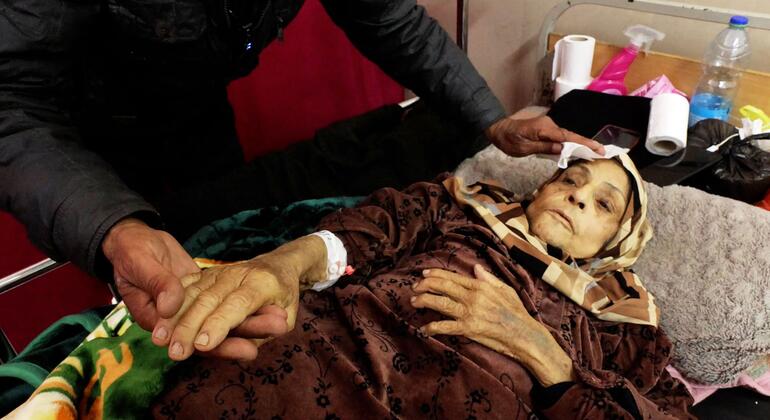
Cancer remains one of the leading health challenges in Gaza, exacerbated by prevailing conditions such as limited medical facilities, the lack of advanced treatment options, and the blockade that restricts access to essential medications and equipment. The World Health Organization reports that a significant number of patients are left untreated, facing exacerbated conditions due to barriers in both mobility and care.
The Personal Stories
Each statistic represents a life—a mother, a father, a child. Consider the story of Amina, a 32-year-old mother of two, diagnosed with breast cancer. She recalls, “Every day I wake up worrying about how to find a way to get the treatment I need. I feel like I am dying not just from the cancer, but from despair.” Amina’s plight exemplifies the silent suffering that is commonplace in Gaza.
Barriers to Treatment
Limited Medical Facilities
The healthcare infrastructure in Gaza is inadequate to serve its population, struggling with outdated medical equipment and a shortage of trained personnel. Hospitals are often overwhelmed and can barely meet the basic health needs, let alone provide specialized cancer treatments. The dearth of radiation therapy machines, chemotherapy drugs, and surgical facilities forces many patients to seek treatment outside Gaza.
Blockades and Restrictions
The long-standing blockade on Gaza has created a complex web of restrictions that critically impact patients. Many cancer patients are denied permits to exit the region for treatment due to stringent border controls, which are often frustratingly bureaucratic. “We are not just fighting cancer; we are fighting an entire system,” says Omar, a 45-year-old leukemia patient who feels abandoned by those who could help.
The Psychological Toll
Mental Health Struggles
Living with cancer in such a tumultuous situation takes a heavy toll on mental health. Patients experience anxiety, depression, and despair as they try to navigate a painful journey devoid of adequate support. This psychological burden often exacerbates their physical ailments, creating a vicious cycle that further compromises their health.
The Role of Support Networks
Patients, however, have not been left to fight alone. Grassroots organizations and local NGOs are stepping in to provide emotional support, counseling, and advocacy for many of these patients. Yet, the need for international support and attention to this issue remains critical, particularly in terms of sustainable interventions.
International Response
The Role of NGOs
Various humanitarian organizations and NGOs have been working to secure funding for medical supplies, treatment abroad, and patient assistance programs. Groups like the Palestinian Medical Relief Society (PMRS) and Médecins Sans Frontières (Doctors Without Borders) have been active in providing immediate care and working to address the underlying health crisis.
Calls for Action
Global advocacy for the rights of cancer patients in Gaza has seen an upsurge, with calls for international lawmakers to address the blockades that hinder access to healthcare. These calls echo in the halls of power but often fall on deaf ears. The need for a collective global response is more pressing than ever.
The Future of Cancer Care in Gaza
Hope Amidst the Despair
Despite the overwhelming challenges, there is hope. Several initiatives are in place to improve cancer care in Gaza. The establishment of telemedicine services offers patients in remote areas better access to specialists. Moreover, health professionals are lobbying for better infrastructure, improved supply chains for medical supplies, and greater support for cancer research tailored to local needs.
The Role of Community and Resilience
The resilience of the people in Gaza is palpable. Community solidarity plays a crucial role in ensuring that patients are not entirely isolated in their struggles. Fundraising campaigns, awareness events, and health workshops are being organized by local communities to bolster support and visibility for the plight of cancer patients.
Conclusion: A Call to Action
“We are dying,” say the voices of Gaza’s cancer patients, underscoring the urgent need for attention and action. The crisis surrounding cancer care in Gaza is not just a local issue; it’s a global human rights concern that demands immediate intervention. As the international community, we have a moral obligation to stand up and offer support, raise awareness, and advocate for the change that is desperately needed.
In the face of adversity, the strength and resilience of the patients shine through. Every voice counts, and with unified efforts, we can strive to ensure that they not only survive but live with dignity and hope for a brighter tomorrow. Together, we must work towards breaking down the barriers that imprison them, allowing them the right to seek treatment and reclaim their lives.
For more details and the full reference, visit the source link below:
Read the complete article here: https://news.un.org/feed/view/en/story/2026/02/1166890