
Flak Jackets and Final Goodbyes: Lebanon’s First Responders Under Fire
Introduction
In Lebanon, the landscape of emergency response is marked by both heroism and peril. First responders—paramedics, firefighters, and civil defense personnel—navigate a labyrinth of challenges while striving to save lives. Among the most pressing dangers they face is the constant threat of violence, a harsh reality in a country wrestling with political turmoil and sectarian strife. This article delves into the lives of Lebanon’s first responders, focusing on their courage, the equipment they use, particularly flak jackets, and the emotional toll of their duties.
The Role of First Responders in Lebanon
Emergency Medical Services
Lebanon’s emergency medical services (EMS) play a pivotal role in managing crises, from traffic accidents to natural disasters, and most crucially, civil unrest. First responders are often the first point of contact for the wounded and traumatized. Their quick decisions in high-pressure situations can mean the difference between life and death.
Firefighters and Rescue Teams
Firefighters in Lebanon do more than extinguish flames; they also conduct rescues during emergencies, such as building collapses or landmine explosions. They operate in an environment rife with challenges, including outdated equipment, limited resources, and the ever-present danger from ongoing conflicts.
The Dangers of the Job
Under Fire: The Reality of Violence
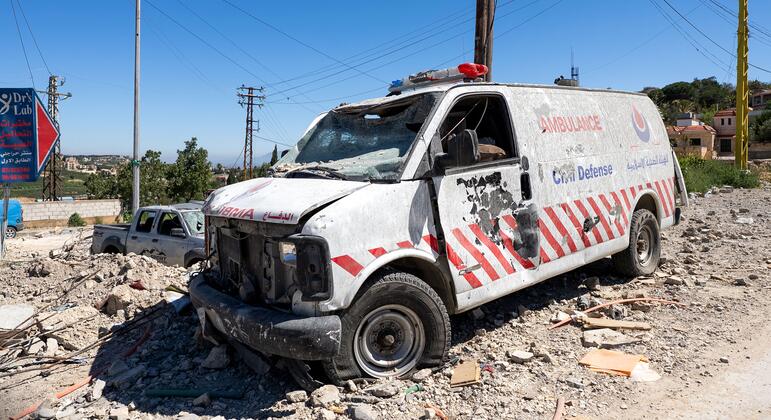
Lebanon has seen its fair share of violence—be it from sectarian clashes, terrorist attacks, or wars. First responders often find themselves in the crossfire, working in conditions that can turn chaotic within moments. The emotional toll of witnessing tragedy is compounded by the very real possibility of becoming victims themselves.
Case Studies of Courage
There have been numerous documented instances where first responders have risked their lives to save others. For instance, during the 2020 Beirut port explosion, emergency personnel were on the ground, rescuing victims amid the chaos, debris, and aftershocks. These brave individuals showcase the courage inherent in their profession.
The Importance of Protective Gear: Flak Jackets
Why Flak Jackets Are Essential
Flak jackets have become a symbol of resilience for Lebanon’s first responders. These body armor pieces are designed to provide protection against shrapnel and ballistic threats. Given the threats posed by civil unrest and conflict, wearing such protective gear is not merely a precaution; it’s often a lifeline.
The Evolution of Protective Gear
The design and technology behind flak jackets have evolved significantly over the years. Modern flak jackets are lighter, offering better mobility while ensuring maximum protection. This evolution is crucial for responders who may need to move quickly in volatile situations.
Emotional and Psychological Strain
The Weight of Responsibility
Being a first responder comes with immense responsibility. The weight of needing to save lives while risking one’s own creates a significant emotional burden. These professionals often confront scenes of devastation that haunt them long after the event.
Coping Mechanisms and Support Systems
To cope with the psychological strain, many first responders engage in peer support programs and counseling. Organizations are increasingly recognizing the importance of mental health in emergency services, and providing resources for coping with trauma is essential.
Final Goodbyes: The Human Element
The Heartbreaking Reality of Loss
One of the most poignant aspects of a first responder’s job is saying final goodbyes. These farewells, whether to victims or fellow firefighters, are often filled with sorrow and regret. Family members of victims turn to first responders with hope, and when that hope doesn’t materialize, it leaves a lasting impact on those who answered the call.
Stories of Resilience Amidst Grief
There are numerous stories where first responders have found strength amid grief. After losing colleagues, many have honored their memories by continuing to serve, viewing their work as a homage to those who have fallen. These narratives speak to the indomitable spirit of Lebanese first responders.
The Need for Improved Safety Measures
Advocating for Better Equipment
While first responders are often seen as heroes, they must also advocate for their safety. NGOs and human rights organizations continually call upon the government to improve the resources available to these brave individuals. Better equipment, more comprehensive training, and improved working conditions are essential to enhance their safety.
Legislative Measures and Initiatives
Legislative measures aimed at bolstering the capabilities of first responders are crucial. When governments recognize and act on the dangerous conditions faced by these professionals, it paves the way for positive change, ensuring that they can operate safely.
Conclusion
The landscape for first responders in Lebanon is fraught with challenges, yet marked by profound acts of bravery. Flak jackets serve as more than just protective gear; they symbolize the spirit of resilience amidst chaos. As these heroes continue to respond to emergencies, facing threats of violence and emotional turmoil, it becomes essential to advocate for their safety and well-being. Their stories, filled with final goodbyes and acts of courage, will continue to inspire hope and change. In honoring their sacrifices, we recognize the vital role they play in preserving life in one of the most challenging environments in the world.
Call to Action
We invite you to extend support for Lebanon’s first responders—whether through advocacy, donations to NGOs focused on their well-being, or sharing their stories to raise awareness. Their courage deserves to be acknowledged, and their voices, heard.
For more details and the full reference, visit the source link below:
Read the complete article here: https://news.un.org/feed/view/en/story/2026/05/1167556