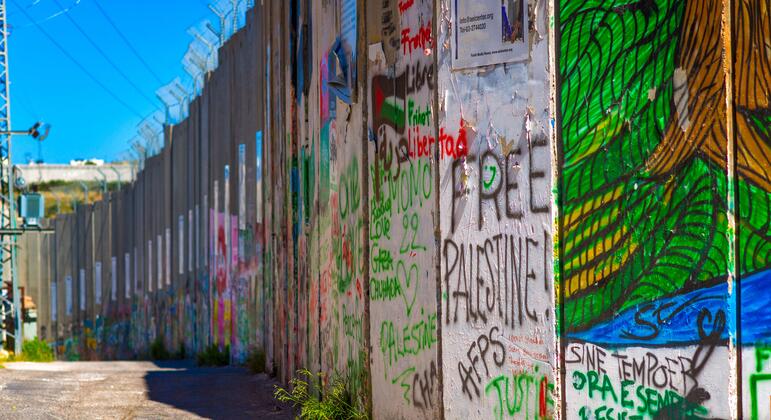

Palestine: Killings, Destruction, and Settler Encroachment
Introduction
The Israeli-Palestinian conflict has been a focal point of global attention for decades, marked by ongoing violence, territorial disputes, and humanitarian crises. In recent years, the escalation of killings, destruction, and settler encroachment in Palestine has drawn international condemnation and concern. This article explores the various dimensions of the conflict, focusing on these critical issues.
Historical Context
The roots of the Israeli-Palestinian conflict can be traced back to the early 20th century when competing nationalisms emerged in the region. The establishment of the State of Israel in 1948 led to significant displacement of Palestinian individuals and families, known as the Nakba or “catastrophe.” This historical backdrop is essential for understanding the current situation.
Killings and Human Rights Violations
Escalation of Violence
In recent years, Palestine has witnessed an alarming increase in violence, with numerous reported fatalities among Palestinian civilians. At the heart of this violence are military operations, retaliatory attacks, and clashes between various factions, often leading to significant casualties.
Impact on Civilians
Reports from various human rights organizations indicate that many of the victims are unarmed civilians, including children and the elderly. The loss of innocent lives has sparked outrage and calls for accountability. The ongoing killings exacerbate the already dire humanitarian situation in Palestine, leading to increased despair among the population.
International Response
Despite the alarming numbers, international responses have been varied. While some countries and NGOs call for immediate interventions and investigations, others tend to downplay the severity of the violence or emphasize the context of security concerns raised by Israel.
Destruction of Infrastructure
Physical Destruction
The conflict has led to widespread destruction of homes, schools, and vital infrastructure. Airstrikes and military incursions have left cities and towns in ruins, severely affecting the quality of life for many Palestinians.
Economic Consequences
The destruction of infrastructure has profound economic implications. The demolition of businesses and loss of livelihoods contribute to deepening poverty and unemployment within Palestinian communities. Reports indicate that over half of the population lives below the poverty line, further complicating efforts for recovery and development.
Settler Encroachment
Expansion of Settlements
One of the most contentious issues in the Israeli-Palestinian conflict is the expansion of Israeli settlements in the West Bank. These settlements are often built on land that Palestinians believe is rightfully theirs, further inflaming tensions and leading to conflict.
Erosion of Palestinian Territories
The continuous encroachment of Israeli settlers has resulted in the fragmentation of Palestinian territories, making it increasingly difficult for Palestinians to form a viable state. This land grab undermines the possibility of a two-state solution, which is viewed as a potential resolution to the conflict.
Human Rights Abuses
Settler violence against Palestinians is not uncommon. Reports document instances of harassment, vandalism, and even physical attacks. The Israeli government’s complicity or lack of action in these instances raises serious human rights concerns and questions about its commitment to a peaceful resolution.
The Humanitarian Crisis
Displacement
The ongoing violence and settler encroachment have led to significant displacement among the Palestinian population. Many individuals and families have been forced to flee their homes, creating a situation of internal displacement that adds complexity to an already challenging humanitarian landscape.
Access to Resources
Access to essential resources—such as water, electricity, and healthcare—has become increasingly restricted due to the conflict. Blockades and military operations hinder the ability of humanitarian organizations to deliver much-needed assistance, exacerbating the suffering of vulnerable populations.
Role of International Organizations
Various international organizations, including the United Nations, have raised alarms about the humanitarian crisis in Palestine. Their reports underscore the urgent need for aid and intervention but often face roadblocks due to the complex political situation.
The Way Forward
Diplomatic Solutions
The international community has long advocated for dialogue and negotiation between Israel and Palestine. However, the path to peace is fraught with challenges, including mutual distrust and differing priorities. A renewed commitment to diplomatic solutions is essential for addressing the root causes of the conflict.
Local Initiatives
Grassroots movements within Israel and Palestine offer hope for reconciliation. Organizations dedicated to peace-building, coexistence, and community engagement are working tirelessly to foster dialogue between the two sides, demonstrating that change is possible from the ground up.
Conclusion
The situation in Palestine remains dire, marked by ongoing killings, destruction, and settler encroachment. As the world watches, the international community must prioritize the humanitarian needs of the Palestinian people while advocating for a fair and just resolution to the conflict. It is essential to acknowledge the historical context and complexities involved to understand the urgent need for peace. Only through concerted efforts can a pathway to stability and coexistence be forged—one that offers hope for a brighter future for both Israelis and Palestinians.
Call to Action
As global citizens, we must remain informed and advocate for justice and human rights in Palestine. Supporting organizations that work for peace, engaging in dialogue, and pressuring governments to take a stand can contribute to a more peaceful future for all. Together, we can work towards a solution that acknowledges the rights and dignity of all affected by this protracted conflict.
For more details and the full reference, visit the source link below:
Read the complete article here: https://news.un.org/feed/view/en/story/2026/05/1167538