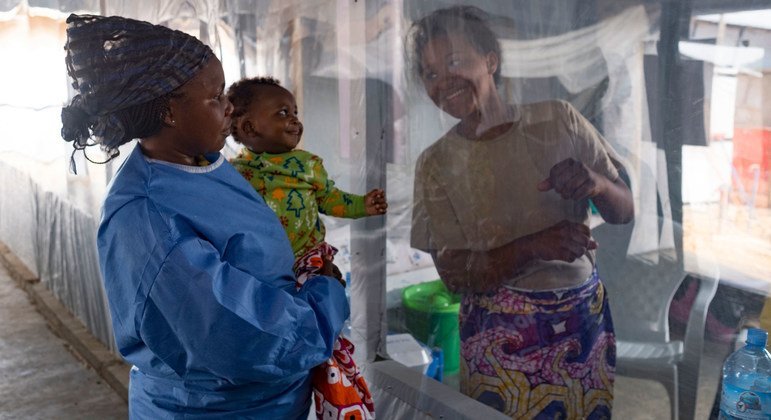

Ebola Outbreak Follows Hunger and Displacement Crisis in DR Congo
In recent years, the Democratic Republic of the Congo (DR Congo) has faced an alarming convergence of crises, including rising hunger, mass displacement, and deadly outbreaks of disease. This article focuses on how these interconnected issues have culminated in the latest Ebola outbreak, underlining the urgent need for a comprehensive response to protect vulnerable populations.
Understanding the Humanitarian Crisis in DR Congo
The situation in DR Congo has reached alarming proportions due to ongoing conflict, economic instability, and natural disasters. As of 2023, it is estimated that more than 27 million people are experiencing acute food insecurity, with many on the brink of famine. These challenges exacerbate vulnerabilities, making populations more susceptible to health crises, including Ebola.
The Role of Conflict and Displacement
Ongoing violence and conflict, particularly in eastern DR Congo, have led to widespread displacement. According to the United Nations, over 5 million people are currently internally displaced, forced to flee their homes and often living in overcrowded and unsanitary conditions. This not only strains resources but also disrupts access to healthcare, further endangering displaced populations.
The Ebola Virus: A Persistent Threat
Ebola is a severe, often fatal illness caused by the Ebola virus, primarily transmitted through direct contact with bodily fluids of infected individuals. The first known outbreak occurred in 1976 in Sudan and DR Congo, and since then, the region has been plagued by recurrent outbreaks.
Recent Ebola Outbreaks
The most recent Ebola outbreak in the DR Congo was declared on February 7, 2023, in the North Kivu province. This area has been particularly hard-hit due to ongoing conflict and humanitarian crises, complicating response efforts. Health systems—already under strain from the simultaneous crises of hunger and displacement—struggle to cope with the additional burden of an Ebola outbreak.
The Link Between Hunger, Displacement, and Ebola
Food Insecurity and Disease Vulnerability
Food insecurity has a direct impact on public health. Malnourished individuals have weakened immune systems, making them more vulnerable to diseases, including Ebola. When communities suffer from hunger, their ability to respond effectively to health emergencies is severely undermined. The lack of adequate nutrition can also hamper the body’s ability to recover from illness.
Displacement and Health Risks
Displacement often results in overcrowded and unsanitary living conditions where both communicable and non-communicable diseases thrive. Without essential healthcare services, individuals are at heightened risk of contracting diseases like Ebola. Moreover, when people are forced to flee, they may lose access to their support systems, further exacerbating health vulnerabilities.
The Challenges of Response Efforts
Infrastructural Limitations
The healthcare infrastructure in DR Congo is fragile and often underfunded. Increasingly overwhelmed by multiple crises, health facilities lack essential medical supplies, personnel, and sanitation, making effective disease response exceedingly difficult. Communities in conflict areas are often cut off from health services, further hampering efforts to contain outbreaks.
Cultural Challenges and Stigma
In addition to infrastructural limitations, cultural practices can complicate response efforts. Some communities may have deep-seated beliefs about disease transmission and treatment. Concerns about stigmatization of those infected with Ebola can lead to reluctance in seeking care, which in turn facilitates further transmission of the virus.
International Response and Support
The international community has played a vital role in addressing the Ebola outbreaks in DR Congo. Organizations like the World Health Organization (WHO) and Médecins Sans Frontières (Doctors Without Borders) have mobilized resources, deployed healthcare workers, and provided critical supplies.
Coordination and Planning
Effective coordination is essential in managing the simultaneous crises of hunger, displacement, and disease outbreaks. Humanitarian efforts must incorporate long-term development strategies to address the root causes of these crises, including poverty, conflict, and food insecurity.
Vaccination Efforts
Preventive measures, such as vaccinations, are critical in combatting Ebola outbreaks. The use of the rVSV-ZEBOV vaccine has shown promise in previous Ebola outbreaks, saving lives and curbing transmission when deployed effectively. However, logistical challenges remain, particularly in areas with ongoing conflict and displacement.
The Role of Local Communities
Local communities are critical to the success of response efforts. Engaging community leaders in education and outreach can dispel myths surrounding Ebola, reducing stigma and encouraging individuals to seek prompt medical care. Furthermore, local health workers can be invaluable in reaching affected populations in remote areas.
Conclusion: A Call to Action
The current Ebola outbreak in DR Congo is a tragic culmination of existing crises rooted in hunger and mass displacement. To combat this multifaceted issue, a comprehensive and coordinated response is essential. Urgent attention must be given to strengthening healthcare systems, addressing food insecurity, and implementing long-term strategies for peace and stability.
As the international community rallies support, local participation remains a vital component for effective intervention. By addressing the interconnectedness of hunger, displacement, and disease, we can make strides toward a healthier, more stable future for the people of DR Congo.
In the face of such complex challenges, the call to action demands not only immediate relief but also a vision for sustainable change that prioritizes the health and well-being of the Congolese people.
For more details and the full reference, visit the source link below:
Read the complete article here: https://news.un.org/feed/view/en/story/2026/05/1167534


