
World News in Brief: Current Global Conflicts and Their Impact
In a rapidly changing world filled with newsworthy events, a few significant issues demand our immediate attention. The Democratic Republic of the Congo (DR Congo) faces a severe humanitarian crisis fueled by ongoing conflict, while Afghanistan grapples with widespread human rights abuses reflected in practices like mass corporal punishment. Additionally, a growing environmental crisis is threatening Earth’s sand resources, raising alarming questions about sustainability and future construction projects.
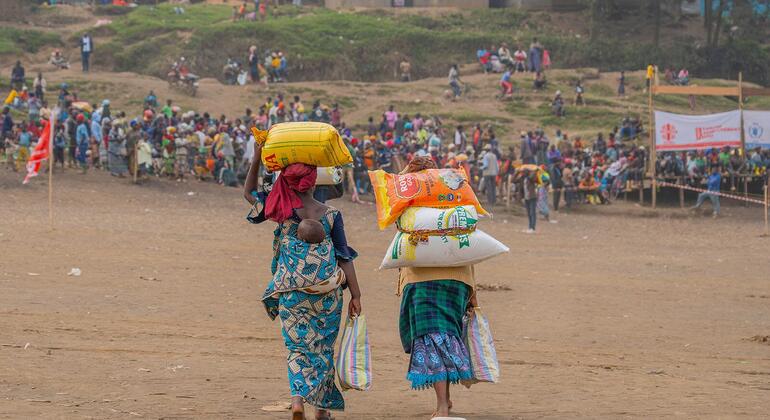
Conflict Drives Hunger in the Democratic Republic of the Congo
The Humanitarian Crisis Unfolding
The Democratic Republic of the Congo is experiencing an unprecedented humanitarian crisis. Ongoing clashes between various armed groups and security personnel have exacerbated an already dire situation, pushing millions deeper into starvation. As of 2023, it’s estimated that over 26 million people in the DR Congo face acute food insecurity.
The Role of Conflict
The persistent conflict in Eastern Congo is primarily fueled by ethnic tensions and struggles over mineral resources. Rebel groups, often funded by illegal mining activities, have terrorized local populations. In such a volatile environment, farming becomes nearly impossible, and people are forced to abandon their fields to escape violence. As a result, the nation, rich in resources, paradoxically suffers from extreme hunger.
International Response
International humanitarian organizations are stepping up efforts to provide aid, but roadblocks posed by conflict make delivery incredibly challenging. The United Nations has called for increased humanitarian access and funding to alleviate the suffering, but political instability complicates these calls.
Urgency for Solutions
Resolving hunger in the DR Congo will require comprehensive approaches addressing both immediate humanitarian needs and underlying issues. Diplomatic efforts aimed at stabilizing the region must be combined with long-term development initiatives to rebuild the local economy, providing sustainable agricultural opportunities and reducing reliance on foreign aid.
Mass Corporal Punishment in Afghanistan
A Return to Draconian Measures
In Taliban-controlled Afghanistan, reports of mass corporal punishment have raised alarm within the international community. With the return of such practices, many fear that human rights, particularly those of women and children, are under severe threat.
The Resurgence of Punitive Practices
Since regaining power in 2021, the Taliban has imposed strict interpretations of Islamic law, leading to a surge in corporal punishments for perceived offenses. According to various reports, individuals can face whipping, stoning, or even worse penalties for crimes ranging from theft to improper dress.
International Condemnation
Human rights organizations have condemned these actions, arguing that they are not only inhumane but also violate international human rights laws. The UN has encouraged member states to keep diplomatic channels open with the Taliban, articulating clear conditions on human rights to avoid further isolating the Afghan populace.
The Path Forward
To improve the situation in Afghanistan, global leaders must engage in serious dialogue while also applying pressure through sanctions that specifically target human rights violators. Increased international awareness and advocacy for the Afghan people can foster conditions needed for positive change.
Earth’s Sand is Running Out
A Growing Environmental Concern
As the world becomes increasingly urbanized, demand for construction materials has led to an alarming depletion of Earth’s sand resources. Sand, a seemingly infinite resource, is in fact dwindling at an unprecedented rate, causing geopolitical tensions and environmental degradation.
The Importance of Sand
Used in construction, electronics, and even medical supplies, sand is a crucial material in modern society. However, excessive sand mining from rivers, lakes, and beaches is resulting in significant ecological damage, disrupting local ecosystems and contributing to climate change.
Global Consequences of Sand Depletion
Countries across the globe are witnessing the repercussions of unchecked sand harvesting. Coastal erosion, riverbank instability, and loss of biodiversity are just a few consequences. Moreover, as nations scramble to secure this valuable resource, illegal sand mining is becoming a lucrative underground activity, leading to conflicts and violence in certain regions.
Solutions for Sustainable Sand Use
To mitigate the risks associated with sand depletion, governments and industry leaders must adopt sustainable practices. Initiatives could include promoting the recycling of construction materials, investing in alternative materials like crushed concrete, and implementing stricter regulations on sand mining.
A Call for Global Action
For the sake of future generations, a coordinated global response is essential. International cooperation and agreements can help protect vital sandy ecosystems while ensuring that the construction industry can continue to thrive without devastating the environment.
Conclusion: The Need for Awareness and Action
The narratives of hunger, human rights abuses, and environmental depletion paint a bleak picture of the current state of our world. These issues are interconnected; conflict breeds instability, which in turn exacerbates humanitarian crises. A comprehensive approach, recognizing the importance of these challenges, is essential for creating lasting change.
Raising awareness, pushing for policy change, and fostering international cooperation will be critical in addressing the pressing issues of our time. The challenges we face might seem daunting, but through informed action and global unity, we can combat these crises effectively and pave the way for a sustainable future.
For more details and the full reference, visit the source link below:
Read the complete article here: https://news.un.org/feed/view/en/story/2026/05/1167495