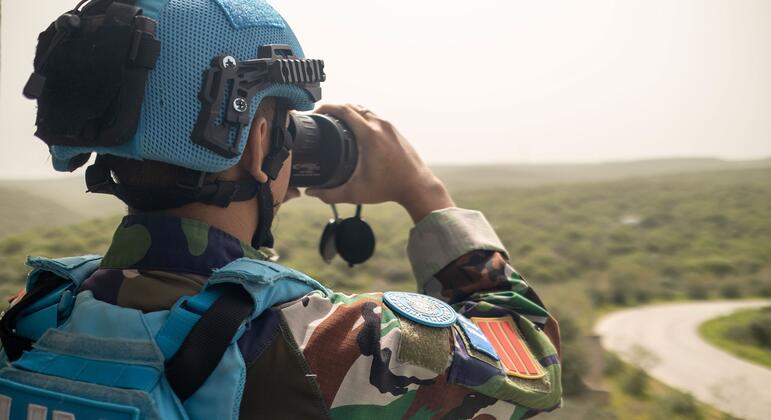

Lebanon: UN Peacekeeping Force Warns of Drone Incidents Endangering Personnel
Introduction
Lebanon has long been a focal point of geopolitical tension in the Middle East. The presence of the United Nations peacekeeping force (UNIFIL) in the region aims to maintain peace and security, particularly in the volatile southern region of Lebanon. However, recent incidents involving drones near UNIFIL positions have raised significant concerns about the safety of personnel and the overall stability of the region. This article will explore the implications of these drone incidents, the essential role of the UN peacekeeping force in Lebanon, and the broader context of security in the region.
The Role of UN Peacekeeping Forces in Lebanon
UNIFIL, established in 1978, was tasked with facilitating peace in the wake of the conflict between Israel and Lebanon. Over the years, this mission has evolved, particularly following the 2006 Israel-Hizbollah war. The objectives of UNIFIL now include:
- Monitoring ceasefire agreements
- Assisting the Lebanese Armed Forces
- Providing humanitarian assistance
- Preventing the escalation of conflict
UNIFIL plays a crucial role in stabilizing southern Lebanon, and its personnel consist of soldiers from various countries, working under a UN mandate to promote peace and security.
Recent Drone Incidents: Context and Consequences
In recent months, UNIFIL has reported multiple incidents involving drones flying in close proximity to its positions. These drones, believed to be operated by various international or regional actors, pose a serious risk not just to UN personnel but also to the fragile peace that Lebanon is currently experiencing.
Escalating Tensions
The use of drones in conflict zones like Lebanon is not new, but the frequency and proximity of these incidents to UNIFIL positions have heightened tensions. Drones can gather intelligence, deliver weapons, or simply serve to intimidate, creating an environment of uncertainty. The presence of drones near UN peacekeeping units endangers the safety of their operations and can lead to a broader military engagement if actions are misinterpreted.
Impacts on Personnel Safety
UNIFIL has stated that these incidents disrupt its mission and put lives at risk. Peacekeepers are meant to operate under a secure environment to ensure their ability to execute their duties effectively. With drones hovering around, the sense of safety is compromised, raising concerns among the international community about the feasibility of the peacekeeping mission.
The Need for Enhanced Security Measures
Given the rising threat posed by drone incidents, it is imperative for UNIFIL to enhance its security protocols. This can include:
- Increased Surveillance and Monitoring: Utilizing technology to monitor aerial activities around UNIFIL positions.
- Clear Communication Channels: Establishing lines of communication with local and regional military leaders to share information about aerial activities.
- Engagement with Local Communities: Strengthening ties with the Lebanese communities to improve information sharing could help identify unauthorized drone operators.
Broader Implications for Lebanon and the Region
The situation in Lebanon is intricately tied to broader regional dynamics. Drone incidents not only affect UNIFIL’s operations but also the overall peace and security framework in the Middle East.
Regional Rivalries
Lebanon is often seen as a theater for proxy conflicts involving various regional powers. Increasing drone activity reflects the ongoing rivalries and tensions between countries in the region. It brings to light the vulnerability of Lebanon as external actors continue to vie for influence.
Humanitarian Concerns
Ongoing instability hinders humanitarian efforts in Lebanon. With food insecurity and economic challenges already at critical levels, peace is crucial not only for UNIFIL but also for the Lebanese people. Continued incidents can disrupt aid and exacerbate the humanitarian crisis.
Calls for International Action
In light of rising drone incidents, the international community must act. This can take the form of:
- Increased Diplomatic Engagement: Encouraging dialogue between conflicting parties to address the use of drones in the region.
- Stronger Support for UNIFIL: Providing UN peacekeeping forces with resources and necessary technology to counteract the drone threats effectively.
- Regional Frameworks for Security: Developing multilateral frameworks that can handle aerial incursions more efficiently to deter future incidents.
Conclusion
The warning issued by UNIFIL regarding the danger posed by drone incidents reflects a growing crisis not limited to the safety of peacekeeping personnel but extending into the broader realm of regional stability in Lebanon. The situation underscores the complexities of maintaining peace amidst ongoing geopolitical conflicts. As such, it calls for coordinated international efforts to address these tensions and ensure that Lebanon receives the support it needs to maintain peace while also safeguarding its sovereignty. The implications of drone operations stretch far beyond immediate threats; they complicate humanitarian efforts and threaten the delicate balance that the country has worked so hard to maintain. Ensuring the safety of peacekeepers is not just a matter of individual security but a crucial element in the pursuit of enduring peace in the region.
For more details and the full reference, visit the source link below:
Read the complete article here: https://news.un.org/feed/view/en/story/2026/05/1167496

