
Strait of Hormuz De-Escalation is Urgent, Says UN Chief
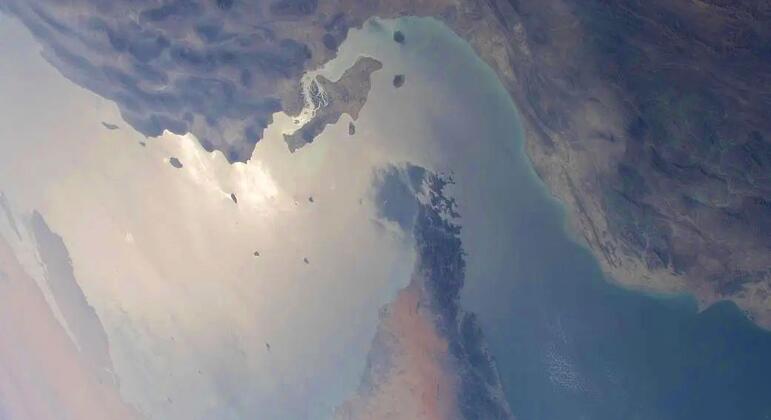
The Strait of Hormuz is one of the most strategically significant waterways in the world, serving as a vital conduit for oil transport and global trade. Recently, calls for de-escalation in the region have intensified, with United Nations Secretary-General António Guterres highlighting the urgent need for peace and stability in this volatile area. This article delves into the reasons behind this urgent call for de-escalation, the geopolitical implications, and potential pathways forward.
1. Understanding the Strait of Hormuz
The Strait of Hormuz, situated between Oman and Iran, is approximately 21 miles wide at its narrowest point. It is a critical passageway for about 20% of the world’s oil supply, making its security paramount not only for regional nations but for global economies as well.
1.1 Importance of the Strait
Nearly 17 million barrels of oil pass through the Strait daily, with many of the world’s largest economies relying heavily on these shipments. Any disruption in this corridor could trigger dramatic fluctuations in global oil prices, resulting in economic instability worldwide. Thus, threats to this vital artery warrant serious international concern.
2. Recent Tensions in the Region
The Strait of Hormuz has been a flashpoint for geopolitical tensions, particularly between Iran and the United States, alongside several Gulf Cooperation Council (GCC) nations. Incidents such as the downing of drones, seizure of vessels, and military maneuvers have amplified fears about an escalating conflict.
2.1 Key Incidents
Several incidents in recent years have heightened tensions:
- 2019 Drone Strikes: Iranians launched drone attacks targeting Saudi Arabian oil facilities, impacting global oil supplies.
- 2020 Naval Confrontations: American and Iranian naval forces have encountered one another, raising fears of an unintended military confrontation.
- Ongoing Sanctions: Sanctions imposed on Iran by the U.S. have resulted in retaliatory measures, including threats to close the Strait.
3. UN Chief’s Urgent Call for De-Escalation
António Guterres has made it clear that immediate action is required to ease tensions in the Strait of Hormuz. His message underlines the interconnectivity of security in the region and the global economy.
3.1 Reasons for Urgency
- Potential for Conflict: The danger of a military confrontation looms large, which could draw in outside powers and create a broader regional war.
- Humanitarian Implications: An escalation would not only threaten oil supply but could lead to humanitarian crises in neighboring countries—a situation the international community cannot afford.
- Global Economic Stability: Disruption of trade routes in the Strait could reverberate throughout the global economy, affecting oil prices, trade agreements, and overall economic stability.
4. Pathways to De-Escalation
Guterres emphasizes dialogue and cooperation as the keys to accomplishing the much-needed de-escalation in the Strait of Hormuz.
4.1 Diplomatic Engagement
- Regional Dialogue: Involving all relevant stakeholders—including Iran, the U.S., and GCC nations—in diplomatic discussions can help mitigate misunderstandings and foster trust.
- International Mediation: Engaging neutral countries or organizations as mediators can provide a platform for addressing grievances without escalation.
4.2 Security Frameworks
- Joint Security Initiatives: Establishing cooperative maritime security frameworks can help monitor activities in the Strait and prevent incidents from spiraling out of control.
- Increased Transparency: Countries involved must commit to greater transparency regarding military activities and intentions, thereby reducing the risk of miscalculations.
5. The Role of Global Stakeholders
The implication of global powers in de-escalation efforts is crucial. The United States, Russia, China, and the European Union all have vested interests in maintaining the security and stability of the Strait.
5.1 United States
As the dominant military presence in the region, the U.S. plays a crucial role in any security arrangement. However, it must balance its military presence with diplomacy to avoid further escalation.
5.2 Iran
With its significant geographical advantage, Iran’s cooperation is essential for a peaceful resolution. Addressing its security concerns may help bring it to the negotiating table.
5.3 International Community
The international community must collectively monitor the situation and support mediation efforts, ensuring that the concerns of smaller nations in the Gulf are recognized and included in discussions.
6. Conclusion: The Urgency for Action
As the spotlight turns towards the Strait of Hormuz, the urgency for de-escalation cannot be overstated. Given its strategic importance and the potential implications of conflict, all parties must heed the warnings from the UN chief and prioritize dialogue over division.
6.1 A Collective Approach
The path forward will require a collective commitment to reducing hostilities, fostering cooperation, and addressing the underlying issues that fuel tensions. Only through concerted efforts can the international community hope to ensure peace and stability in this pivotal region.
By focusing on comprehensive strategies and underscoring the importance of international collaboration, we can work towards a future where the Strait of Hormuz remains open and secure for global trade, ultimately benefiting economies worldwide.
For more details and the full reference, visit the source link below:
Read the complete article here: https://news.un.org/feed/view/en/story/2026/05/1167478