
Bahrain and the US Float Security Council Resolution on the Strait of Hormuz
Introduction
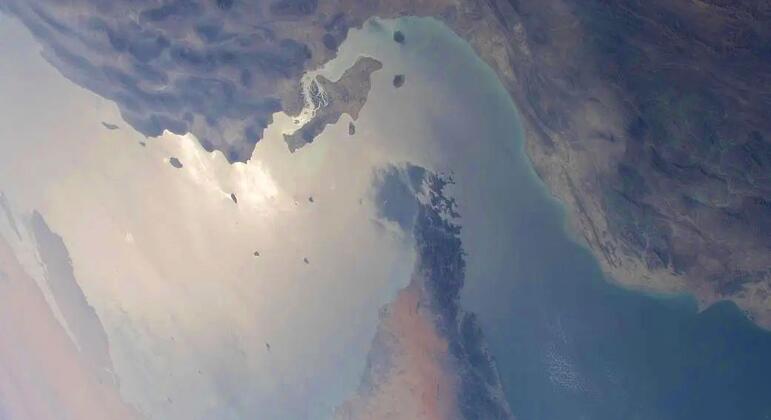
The Strait of Hormuz is a critical maritime chokepoint in global trade and energy transportation, linking the Persian Gulf to the Gulf of Oman. It serves as a transit route for a significant percentage of the world’s oil supply. Given its strategic importance, the security of this key waterway has been a matter of international concern. Recently, Bahrain, in conjunction with the United States, has put forth a resolution in the United Nations Security Council aimed at enhancing security in the Strait of Hormuz. This article delves into the implications of this resolution, the geopolitical context surrounding it, and its potential impact on global security.
The Importance of the Strait of Hormuz
Global Oil Supply
The Strait of Hormuz is the conduit for approximately 20% of the world’s crude oil supply. This waterway is vital not only for oil-exporting countries in the Gulf region but also for global economies reliant on energy imports. Any disruption in this strait can lead to skyrocketing oil prices and a consequential economic downturn across the globe.
Maritime Security Risks
The region has long been riddled with maritime security threats, including piracy, military conflicts, and aggressive naval presence by various nations. This makes the effective management of the Strait of Hormuz essential for not just regional stability but also global economic health.
Background of the Security Council Resolution
Bahrain’s Role
Bahrain has emerged as a strategic ally of the United States in the Middle East, often serving as a platform for U.S. military operations. The nation has taken a proactive stance in the security dialogues surrounding regional conflicts. The resolution being floated by Bahrain seeks to bolster collaborative efforts with international partners to maintain peace in the Strait of Hormuz.
U.S. Involvement
The U.S. has a vested interest in ensuring the safety of maritime routes in the region. After recent incidents involving attacks on oil tankers and increasing tensions with Iran, the U.S. has intensified its military focus on the Strait of Hormuz. The administration sees this resolution as an opportunity to solidify alliances and deter adversaries.
Objectives of the Resolution
Enhanced International Cooperation
One of the primary objectives of the Security Council resolution is to enhance cooperation among nations for securing the Strait of Hormuz. By establishing a multinational task force, the resolution aims to ensure that the navigation of commercial shipping remains unimpeded.
Preventing Maritime Aggressions
The resolution seeks to deter hostile actions in the region, particularly those from Iran, which has historically made threats to disrupt oil shipping. By establishing a clear international stance against such provocations, Bahrain and the U.S. aim to create a more stable maritime environment.
Facilitating Humanitarian Aid and Trade
Beyond security, the resolution aims to facilitate the free flow of humanitarian aid and commerce through the Strait. By reinforcing maritime safety mechanisms, it ensures that vital assistance can reach nations in need, further solidifying Bahrain’s role as a regional ally.
Geopolitical Implications
U.S.-Bahrain Relations
The collaboration between Bahrain and the U.S. signifies a strengthening of diplomatic ties. This partnership not only enhances regional security but also reinforces Bahrain’s position as a key player in U.S. Middle Eastern strategy.
Impact on Iran
The resolution could exacerbate tensions between the U.S. and Iran, as any increased military presence in the Strait of Hormuz may be perceived as a direct threat by Tehran. This could lead to heightened confrontations and instability, impacting not only regional but also global security frameworks.
Response from Other Nations
Other nations with a vested interest in Gulf security, such as China and Russia, may see this resolution as an attempt by the U.S. to assert control over maritime routes. Their reactions will be crucial in determining the future dynamics within the United Nations and the effectiveness of the resolution.
Challenges Ahead
Implementation Issues
While the resolution garners support, the challenge lies in translating it into actionable measures. Mobilizing a multinational task force involves complexities, including funding, logistics, and alignment of military strategies among various nations.
Ongoing Conflicts
The backdrop of ongoing conflicts in neighboring regions such as Yemen and Syria complicates the situation further. As hostilities persist, maintaining focus on maritime security can prove challenging for involved nations, leading to potential lapses.
Conclusion
The resolution floated by Bahrain and the U.S. in the United Nations Security Council underscores the need for enhanced security in the Strait of Hormuz. The implications extend beyond regional concerns, impacting global energy markets and international relations. As nations navigate the geopolitical landscape, successful implementation may yield a more secure waterway; however, it will require concerted efforts and willingness to collaborate on multiple fronts. Only time will tell if these diplomatic efforts will foster lasting peace in a historically turbulent region.
Call to Action
For policymakers, diplomats, and stakeholders in global security, closely monitoring the developments surrounding the Bahrain-U.S. resolution is imperative. Engaging in constructive dialogue and fostering international cooperation can help mitigate risks in one of the world’s most vital maritime corridors. Together, by maintaining open lines of communication and collaborative frameworks, we can contribute to a more secure Strait of Hormuz, paving the way for a stable global energy supply.
For more details and the full reference, visit the source link below:
Read the complete article here: https://news.un.org/feed/view/en/story/2026/05/1167464