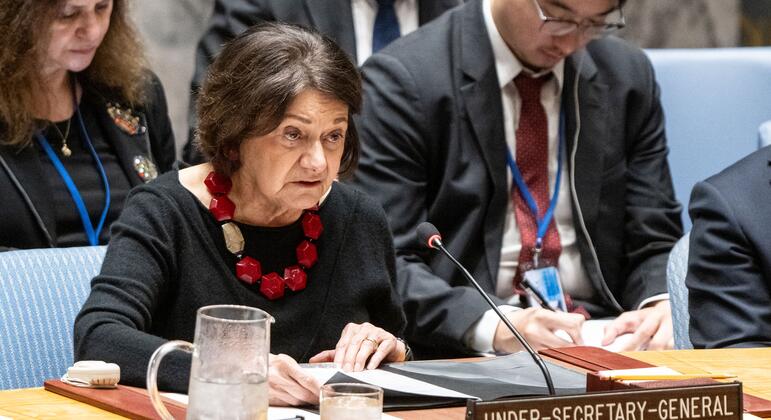

Continued Militarization in DPRK: A Serious Concern for Global Security
Introduction
The Democratic People’s Republic of Korea (DPRK), commonly known as North Korea, has been under scrutiny for its ongoing militarization efforts. The political affairs chief recently warned the United Nations Security Council (UNSC) about the alarming military developments in the region. This article discusses the implications of DPRK’s militarization, its impact on international relations, and the pressing need for global cooperation to address the emerging threats.
The Rise of Militarization in North Korea
Historical Context
Since its establishment in 1948, DPRK has prioritized military development as a core aspect of its national identity. The country’s leaders have consistently promoted the philosophy of “Songun,” or “military first,” which posits that military strength is essential for the nation’s survival.
Recent Developments in Military Technology
In recent years, North Korea has accelerated its military capabilities, evidenced by numerous missile tests and advancements in nuclear technology. Reports confirm that the DPRK has successfully tested intercontinental ballistic missiles (ICBMs) and has been developing nuclear-capable warheads, raising immediate concerns among neighboring nations and global superpowers alike.
Implications of Militarization for Global Security
Heightened Tensions in Northeast Asia
The ongoing militarization of DPRK poses a significant risk to regional stability. Countries such as South Korea and Japan have reacted with increased military readiness, fearing potential aggression from the North. As tensions rise, the likelihood of miscommunication and miscalculations increases, potentially leading to military confrontations.
Impact on International Relations
North Korea’s militarization has strained diplomatic relations not only in Northeast Asia but also globally. The United States and its allies have faced challenges in negotiating denuclearization, leading to a stalemate that further complicates international diplomacy. As the DPRK continues to enhance its military capabilities, it undermines existing treaties and international norms regarding nuclear proliferation.
The International Response
Call to Action from the Security Council
In light of the increasing military buildup in DPRK, the UN Security Council must take decisive action. The political affairs chief’s warning serves as a rallying cry for member states to focus on collective security measures, including sanctions and diplomatic negotiations.
Importance of Multilateral Cooperation
To effectively address the threats posed by DPRK’s militarization, multilateral cooperation is essential. Global powers must work together to design a comprehensive approach that incorporates diplomatic dialogue, economic sanctions, and, if necessary, military deterrence.
The Role of Sanctions
Effectiveness and Limitations
Sanctions have been a cornerstone of international policy toward DPRK since its nuclear ambitions became apparent. However, their effectiveness is often debated. While sanctions have indeed placed economic pressure on the regime, they have not led to any substantive changes in behavior.
The Need for Comprehensive Strategies
It’s essential to pair sanctions with diplomatic efforts. Engaging with the DPRK through back-channel communications could create opportunities for negotiations that may lead to de-escalation.
Humanitarian Concerns amidst Militarization
The Impact on Civilians in North Korea
While the focus remains on military advancements, it is crucial to shed light on the humanitarian crisis within DPRK. The regime’s allocation of resources toward military development often comes at the expense of essential services such as healthcare and education for its citizens.
International Responsibility
The global community, especially the Security Council, must recognize the plight of the North Korean people. Humanitarian aid should be considered even amidst ongoing sanctions, ensuring that civilians are not disproportionally affected by international policies.
The Future of DPRK’s Militarization
Predictions and Potential Scenarios
As tensions continue to escalate, various scenarios could unfold. The DPRK may choose to further advance its military capabilities, potentially resulting in a destabilizing arms race in the region. Conversely, the international community could successfully engage in a diplomatic dialogue that curtails militarization trends.
The Role of Emerging Technologies
The integration of advanced technologies, such as artificial intelligence and cyber capabilities, into military strategies presents new challenges. As DPRK ventures deeper into the sphere of modern warfare, traditional approaches to diplomacy and confrontation may need reevaluation.
Conclusion
The continued militarization of the Democratic People’s Republic of Korea is a serious concern that merits immediate attention from the international community. By leveraging the united strength of global diplomacy and cooperative security measures, it’s possible to mitigate risks posed by the DPRK’s military developments. The political affairs chief’s warning serves as a crucial reminder that addressing this issue requires not only vigilance but also proactive engagement to prevent potential conflict and instability in an already volatile region.
Call to Action
It is imperative for global leaders, analysts, and citizens to stay informed and advocate for policies that prioritize diplomacy over militarism. By engaging in informed discussions and promoting awareness, we can contribute to a safer world free from the threats posed by continued militarization.
In summary, the ongoing militarization of DPRK is not just a national issue; it has far-reaching implications for global security and humanitarian efforts. Stakeholders at all levels must take the warning seriously and act collectively to foster a peaceful resolution.
For more details and the full reference, visit the source link below:
Read the complete article here: https://news.un.org/feed/view/en/story/2026/04/1167415

