
The Crisis from Hormuz to Lebanon: Unraveling Trade Routes and Humanitarian Networks
Introduction
In recent years, the geopolitical landscape of the Middle East has experienced significant upheaval. Geographically strategic regions like the Strait of Hormuz, a critical chokepoint for global oil supply, and nations such as Lebanon have found themselves at the center of a complex crisis. This situation not only disrupts trade routes but also critically impacts humanitarian networks that millions rely on for survival and dignity. This article explores how these dynamics interplay, affecting not just the local populace but the global economy and humanitarian efforts.
The Strategic Importance of the Strait of Hormuz
Key Facts and Figures
The Strait of Hormuz is a narrow waterway that connects the Persian Gulf to the Arabian Sea, facilitating the transportation of about 20% of the world’s oil supply. This high-stakes maritime corridor sees over 15 million barrels of oil passing through daily, making it one of the most vital trade routes on the planet.
Recent Tensions
Increasing tensions in the region, fueled by political instability and military confrontations, have placed immense pressure on this vital shipping lane. The aftermath of conflicts in Iraq and Syria, coupled with Iran’s assertive geopolitical moves, has raised fears of potential blockades or disruptions. These developments have broad implications not only for oil prices but also for international trade and shipping, jeopardizing an economic lifeline for many nations.
Lebanon: A Fragile Humanitarian Situation
Economic Collapse
Lebanon stands as a testament to how regional crises reverberate in the humanitarian realm. Once known for its vibrant economy and cultural richness, the country is now grappling with one of the worst economic collapses in modern history. The Lebanese pound has lost over 90% of its value since 2019, devastating the purchasing power of ordinary citizens.
Humanitarian Crisis
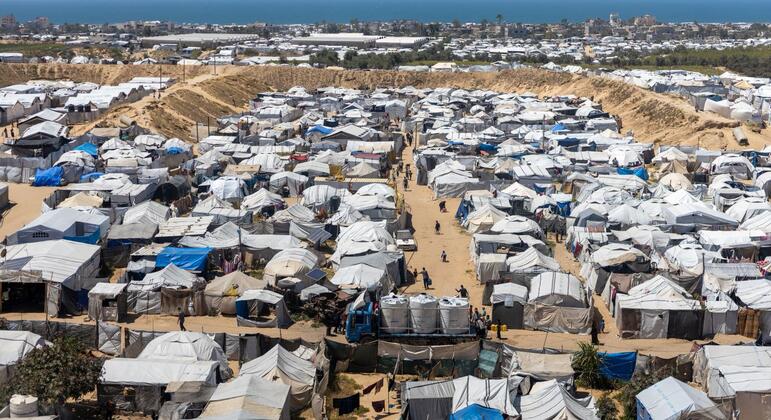
The compounded effects of economic instability, political paralysis, and increased poverty have led to a humanitarian crisis characterized by food insecurity, lack of access to basic healthcare, and a surge in homelessness. According to recent reports, more than 60% of the population now lives below the poverty line.
The Interplay of Trade Routes and Humanitarian Needs
Disrupted Supply Chains
The crisis from Hormuz to Lebanon has caused substantial disruptions in supply chains. Shipping companies face increased insurance costs and delays due to hazardous navigation conditions and potential military engagements, leading to inflated prices for essential goods.
Impact on Humanitarian Aid
Consequently, humanitarian organizations struggle to deliver aid to vulnerable populations in Lebanon. If essential supplies, including food and medicines, become scarce or prohibitively expensive, the fallout equates to dire consequences for millions—hospitals cannot function, families cannot feed their children, and the fabric of society continues to unravel.
Regional and Global Implications
Economic Ripple Effects
The repercussions of the crisis extend well beyond the Middle East. A dramatic increase in oil prices—due to supply chain uncertainties and risks—can trigger inflation worldwide, affecting economies that rely on imported oil. This inflation could heighten tensions in regions already fraught with economic difficulties, creating a vicious cycle of poverty and instability.
Political Ramifications
Politically, the ongoing crisis can exacerbate tensions between rival nations. For example, nations that heavily depend on oil imports may find themselves at odds with one another, while those with oil reserves may leverage their resources as a bargaining chip. The potential for conflicts can destabilize entire regions, triggering further humanitarian crises and increasing migration pressures.
Paths Toward Resolution
Diplomatic Initiatives
To mitigate these crises, diplomatic solutions must be prioritized. Multinational efforts focused on stabilizing the Strait of Hormuz would not only protect vital shipping lanes but could foster a more secure environment for trade, supporting economic recovery in nations like Lebanon.
Empowering Local Communities
Equally important is the emphasis on empowering local communities in Lebanon. Humanitarian organizations need unrestricted access to affected populations, along with enhanced funding and support. By investing in community-led initiatives, lasting solutions may be developed that target the underlying causes of the humanitarian crisis.
Sustainable Trade Practices
Moving forward, the development of sustainable trade practices will play a crucial role in stabilizing the region’s economy. Whether through fostering better relationships with international partners or investing in alternative energy sources, diverse strategies must be employed to lessen dependence on any single trade route.
Building Resilience
Community Support Networks
Strengthening community support networks within Lebanon can contribute to increased resilience amidst crises. This includes bolstering local food systems, improving educational opportunities, and investing in healthcare provisions.
Collaborations Between NGOs and Governments
Collaborations between NGOs and government entities can streamline the distribution of aid and resources, allowing for more effective responses to the ongoing crises. This united approach can help overcome bureaucratic hurdles that have historically delayed essential aid delivery.
Conclusion
The crisis from Hormuz to Lebanon serves as a sobering reminder of how interconnected our world has become. The fragility of trade routes and humanitarian networks illustrates the urgent need for collaborative solutions that prioritize stability, resilience, and human dignity. By addressing these challenges head-on, the international community can pave the way for a more secure and humane future for the people affected by these unfolding crises.
Call to Action
Investing in diplomatic efforts, supporting humanitarian initiatives, and advocating for sustainable practices are steps we can all take to contribute to a better tomorrow. The time to act is now—let us stand in solidarity with those at the front lines of this crisis, working together towards a brighter future for all.
For more details and the full reference, visit the source link below:
Read the complete article here: https://news.un.org/feed/view/en/story/2026/04/1167400