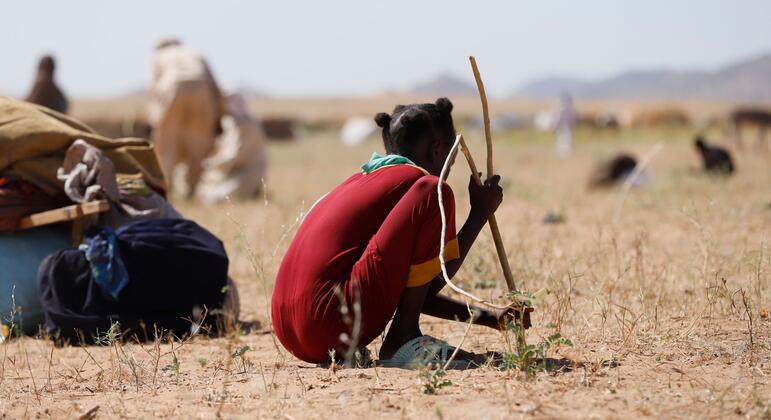

Darfur: Two Decades On, A New Generation of Children Faces ‘Horrific Violence’
Introduction
Darfur, a region in western Sudan, has become synonymous with humanitarian crises and conflict. For over two decades, the scars of violence have marred its landscape, leaving generations of children to navigate an existence riddled with fear, displacement, and trauma. This article explores the ongoing challenges faced by children in Darfur, highlighting the need for international attention and intervention.
The Historical Context of the Darfur Conflict
The Darfur conflict began in 2003 when rebel groups took up arms against the Sudanese government, accusing it of neglect and discrimination. The government responded with a brutal counter-insurgency campaign, involving the notorious Janjaweed militia. This led to large-scale atrocities, including murder, rape, and the burning of villages. Consequently, millions of people were displaced, with many seeking refuge in makeshift camps.
The Impact on Children
Children are among the most vulnerable victims in any conflict scenario. In Darfur, the ramifications have been particularly severe. Many have lost parents, witnessed horrific violence, and dealt with severe psychological stress. These children grow up in an environment devoid of normalcy—where education is often interrupted, and basic healthcare remains unattainable.
A New Generation Faces Unprecedented Challenges
Displacement and Insecurity
Two decades of relentless violence have created a cycle of displacement. Currently, over 1.5 million people are internally displaced in Darfur, with a significant portion being children. These children face daily threats of violence, inadequate shelter, and a lack of access to basic needs such as food and clean water.
Education: A Dream Deferred
In Darfur, the education system has been decimated. Schools have been destroyed or repurposed for military use, and the fear of attacks keeps many children from attending classes. Statistics show that less than half of school-age children are currently enrolled in school. This represents a lost generation, with many children growing up illiterate and without the skills needed to break the cycle of poverty.
Health and Nutrition Crises
Malnutrition rates in Darfur are alarming, with children being the most affected demographic. The lack of healthcare facilities, compounded by ongoing violence, has led to a burgeoning public health crisis. Without proper nutrition and healthcare, the long-term physical and cognitive development of these children is compromised.
Psychological Toll of Violence
Trauma and Mental Health
The psychological effects of living in a conflict zone can be devastating. Many children in Darfur suffer from post-traumatic stress disorder (PTSD) and other mental health issues due to the violence they have witnessed or experienced. Symptoms can include anxiety, depression, and a lasting sense of insecurity. Initiatives to address mental health in conflict zones are crucial yet remain painfully underfunded and neglected.
Community Support Systems
Despite the challenges, community organizations and NGOs are working to provide psychological support to children in Darfur. Programs aimed at counseling, art therapy, and community engagement are showing promise, helping to rebuild a sense of agency and normalcy among these young victims.
The Role of International Community
Humanitarian Aid and Intervention
The international community has a critical role to play in addressing the needs of children in Darfur. Humanitarian efforts have provided essential resources, but ongoing funding shortages and bureaucratic hurdles often hinder effectiveness. To mitigate the suffering of children, a strong, consistent international response is imperative.
Advocacy and Awareness
Raising awareness about the plight of children in Darfur is vital. Advocacy groups work tirelessly to shed light on the ongoing crises and push for policy changes that prioritize peace, security, and child welfare. Social media campaigns, educational programs, and grassroots activism can galvanize support and drive much-needed resources into the region.
Future Steps: A Hope for Peace
Lasting Solutions
Ultimately, the resolution of Darfur’s conflict is critical for the future of its children. A political commitment to peace, reconciliation, and justice is necessary to rebuild communities and restore faith in government institutions. Moreover, addressing the underlying social and economic inequalities will lay the groundwork for a more stable future.
Empowering the Next Generation
Investing in education, healthcare, and community programs is essential to empower Darfur’s children. By equipping them with skills and resources, we provide them with the ability to shape their own futures rather than remain victims of their circumstances.
Conclusion
Two decades of conflict have left an indelible mark on the children of Darfur. As they navigate a reality filled with fear and uncertainty, the world must not turn a blind eye to their suffering. By building awareness and advocating for change, we can help forge a path toward healing and hope for Darfur’s new generation. It is not just an act of charity; it is a moral imperative to ensure that no child has to endure the horrors of violence and deprivation any longer. The future of Darfur—and its children—depends on our collective action today.
Call to Action
Get involved. Advocate for humanitarian support. Raise awareness about the ongoing crisis. Together, we can help create a lasting change in the lives of Darfur’s children.
For more details and the full reference, visit the source link below:
Read the complete article here: https://news.un.org/feed/view/en/story/2026/04/1167390

