
Chokepoints and Conflict: How the Hormuz Crisis is Exposing Global Shipping Vulnerabilities
Introduction to Chokepoints and Their Importance
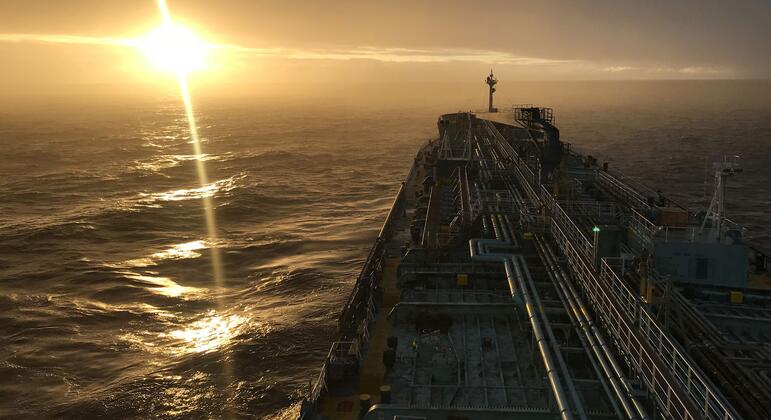
Chokepoints are strategic narrow passages that are crucial for the movement of goods and resources. They often serve as essential gateways for international trade, as a significant portion of global shipping passes through these narrow corridors. The Strait of Hormuz, one of the world’s most critical chokepoints, connects the Persian Gulf with the Arabian Sea and the Indian Ocean. It is particularly important for oil shipments, with nearly 20% of the world’s oil supply passing through this narrow passage.
The Hormuz Crisis: A Brief Overview
The Hormuz crisis refers to increasing tensions in and around the Strait of Hormuz, particularly between Iran and other nations such as the United States, Saudi Arabia, and the United Arab Emirates. Recent years have seen a series of incidents—including attacks on oil tankers, military confrontations, and threats to block the strait—which highlight the strategic significance of this chokepoint and the instability it can create in global shipping and energy markets.
Global Shipping Vulnerabilities Exposed
Increased Risk of Disruption
The Hormuz crisis underscores the vulnerabilities faced by global shipping lanes. As tensions rise, there is an increased risk of disruption, impacting not only oil supplies but also the broader trading network reliant on these waterways. The fear of confrontation could lead shipping companies to divert their routes, resulting in longer transit times and elevated shipping costs.
Economic Repercussions
The repercussions of instability in the Strait of Hormuz extend beyond immediate shipping delays. Increased insurance rates for vessels traveling through the region, coupled with potential escalation in geopolitical tensions, could lead to higher oil prices and subsequent economic fallout. This would strain economies, especially those reliant on oil imports, and could create inflationary pressures globally.
The Geopolitical Landscape
The Role of Major Players
The interests of major players in the region add further complexity to the Hormuz crisis. The United States maintains a military presence to ensure the free flow of commerce through the strait, while Iran often threatens to close the chokepoint if escalated tensions arise. Other regional powers, such as Saudi Arabia, have a vested interest in maintaining open trade routes for their oil exports. These varied interests often lead to a precarious balance that can tip into conflict.
Proxy Battles and Regional Instability
The Hormuz crisis is also reflective of broader geopolitical strategies at play. Proxy battles among regional actors can escalate tensions that impact shipping routes. The involvement of external powers can exacerbate local conflicts, making chokepoints like Hormuz even more susceptible to disruption.
Technological Solutions and Adaptation
Enhancing Maritime Security
Given the vulnerabilities highlighted by the Hormuz crisis, maritime nations are turning to advanced technologies for enhanced security. Drones, satellite monitoring, and AI systems are being deployed to ensure the safety of vessels traveling through high-risk areas. Such technologies not only provide real-time data but also improve proactive measures against potential threats.
Diversification of Shipping Routes
Another adaptive strategy involves the diversification of shipping routes. Companies are increasingly exploring alternate paths that can bypass chokepoints like Hormuz. This shift could have long-term implications for global trade, potentially changing the map of maritime shipping and altering established trade dynamics.
Industry Response and Resilience
Shipping Insurance and Risk Management
In response to heightened risks, the shipping industry is revising its insurance frameworks and risk management protocols. Insurers are more closely scrutinizing routes that traverse conflict-ridden areas, and shipping companies are implementing contingency plans to reduce exposure to disruptions.
Collaborations and Alliances
International collaborations are becoming more common as nations seek to ensure the safety of global shipping lanes. Joint military exercises, security agreements, and intelligence-sharing initiatives are being established to respond to threats in chokepoints like Hormuz, showcasing the necessity of collective action in addressing shared vulnerabilities.
Future Projections
Ongoing Risks and Conflicts
The future remains uncertain, as geopolitical tensions in the region show no sign of abating. As countries jockey for power, shipping lanes will continue to be a focal point for conflict. Pirates, national militaries, and non-state actors may all contribute to the evolving security landscape, offering ongoing challenges to global shipping security.
The Role of Sustainable Practices
In this increasingly volatile context, companies might also pivot towards sustainable practices. Investing in cleaner technologies may not only address environmental concerns but can also lead to smoother operations by reducing reliance on traditional chokepoint routes linked to fossil fuel transport. This shift could redefine strategic shipping dynamics.
Conclusion: The Need for Vigilance
The Hormuz crisis serves as a stark reminder of the vulnerabilities that chokepoints present in the realm of global shipping and trade. The potential for conflict exposes not only economic risks but also the critical necessity for robust maritime safety measures. As nations navigate this complex geopolitical landscape, vigilance, adaptability, and collaboration will be key in safeguarding the vital arteries of international commerce.
Call to Action: Stay Informed and Prepared
For businesses and stakeholders in global trade, staying informed about developments in chokepoint security is paramount. Engaging in proactive risk management and seeking strategies for diversification can enhance resilience in the face of geopolitical unpredictability. The time has come to rethink traditional trade routes and embrace innovations that promise a more secure future for global shipping.
This article utilizes key SEO strategies by employing relevant keywords and headings, ensuring that it remains visible to audiences searching for insight into the dynamics of the Hormuz crisis and its implications on global shipping.
For more details and the full reference, visit the source link below:
Read the complete article here: https://news.un.org/feed/view/en/story/2026/04/1167383