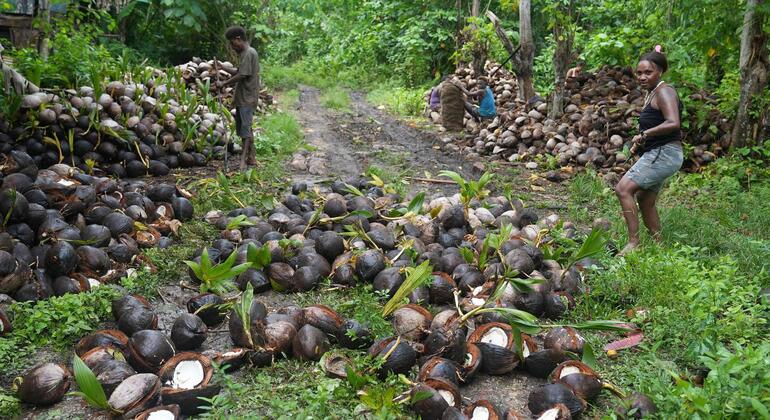

South Pacific Islanders Strive to Rescue Their Home from Toxic Legacy
Introduction
The South Pacific islands, known for their breathtaking beauty and vibrant cultures, are grappling with an urgent crisis. Generations of environmental neglect and economic challenges have left these islands with a toxic legacy that threatens their ecological balance, health, and way of life. Indigenous islanders are rising to reclaim their homes, address the contamination, and create a sustainable future. This article explores the plight of South Pacific islanders, their struggles against environmental degradation, and their inspiring efforts to mitigate toxicity and restore their ecosystems.
Understanding the Toxic Legacy
Historical Context
Historically, many South Pacific islands have been sites for industrial activities, including nuclear testing, mining operations, and agriculture involving synthetic chemicals. The legacy of these practices has left dangerous contaminants in the soil, water, and ecosystems. For instance, the legacy of nuclear testing in places like Bikini Atoll has resulted in long-lasting radiation exposure and soil contamination.
The Impact of Climate Change
Climate change exacerbates the situation, with rising sea levels threatening to submerge island nations. Increased storm activity, ocean acidification, and changing weather patterns challenge the agricultural practices that many South Pacific communities rely on. Toxic waste aggravates these issues, as contaminated landscapes become less resilient to environmental changes.
Struggles of the Islanders
Health Consequences
The toxic legacy has dire implications for the health of islanders. Increasing rates of cancer, respiratory issues, and neurological disorders are often linked to exposure to hazardous substances. Children are particularly vulnerable, as their developing bodies can be severely impacted by environmental toxins.
Cultural Implications
The environmental degradation resulting from toxic waste also affects the cultural practices of South Pacific islanders. Traditional farming and fishing methods, essential aspects of their identity, are endangered as ecosystems become uninhabitable. The loss of native flora and fauna deprives communities of their cultural heritage and resources.
Community Initiatives and Resilience
Grassroots Movements
In response to these challenges, South Pacific communities have fostered grassroots movements aimed at environmental restoration. These initiatives often emphasize traditional ecological knowledge, combining ancient practices with modern environmental science to restore degraded landscapes.
Sustainable Agriculture
Islanders are reviving organic farming and permaculture as methods for sustainable agriculture. By minimizing the use of chemicals and prioritizing biodiversity, communities aim to restore soil health while producing safe food for their families. This not only addresses toxic residues but also promotes food sovereignty.
Rehabilitation Projects
Various rehabilitation projects are underway to detoxify polluted areas. For instance, community-led initiatives involve planting native species to restore ecosystems and utilizing bioremediation techniques to break down pollutants. Such efforts showcase the resilience and determination of islanders to reclaim their natural heritage.
Collaboration with NGOs and Governments
International Support
Various NGOs and international organizations are rallying to support these island communities. Programs that provide funding, resources, and education are crucial to empower islanders in their quest for environmental justice. Collaboration between local communities, NGOs, and governmental agencies has become vital in addressing the toxic legacy.
Policy Changes
Advocacy has also led to changes in policy, pushing for stricter regulations on waste disposal and environmental protection. By lobbying for sustainable practices and holding polluters accountable, South Pacific islanders are becoming powerful voices for environmental change.
Education and Awareness
Knowledge Sharing
Education plays a pivotal role in the fight against the toxic legacy. By raising awareness among younger generations about environmental issues, island communities are fostering a new wave of environmental stewards. Knowledge sharing, both locally and globally, empowers individuals to participate in restoration efforts.
Climate Change Education
Integrating climate change education into the curriculum not only equips students with knowledge of local ecosystems but also emphasizes the interconnectedness of global environmental issues. Understanding how local actions contribute to broader ecological challenges encourages responsible behaviors.
Success Stories
Community-Led Floral Restoration
One inspiring success story comes from a community in Fiji that initiated a project for native floral restoration. This involved local residents collecting seeds from traditional plants to regenerate habitats that had been destroyed by invasive species and agricultural activities. Their efforts have succeeded in revitalizing not just the landscape but also community spirit.
Clean-Up Campaigns
In the Marshall Islands, islanders are mobilizing for community clean-up campaigns, removing debris and hazardous waste from beaches and shorelines. Such initiatives not only beautify their home but also serve to highlight the urgent need for long-term waste management solutions.
Future Outlook
The Role of Technology
As South Pacific islanders look to the future, technology will play a significant role in combating toxicity. Innovations in waste management, sustainable energy, and environmental monitoring can support community efforts to restore their islands. Drones, for instance, are being used for mapping pollution and planning restoration projects.
Building Resilience
By integrating sustainable practices and traditional ecological knowledge, islanders can build resilience against environmental changes. Developing sustainable tourism models can also provide economic opportunities while promoting conservation efforts.
Conclusion
The struggle of South Pacific islanders to rescue their homes from a toxic legacy is a testament to their resilience, determination, and commitment to ecological preservation. Through grassroots initiatives, education, and collaboration with international allies, they are forging a path toward a sustainable future. This journey, however, requires consistent support, policy changes, and a collective effort to restore their islands for generations to come. As the world watches, the inspiring stories from these communities serve as a powerful reminder of the importance of environmental stewardship and the fight against toxicity in all forms.
This article highlights the urgent environmental issues faced by South Pacific islanders while optimizing for specific keywords such as “South Pacific islands,” “toxic legacy,” “environmental restoration,” and “community initiatives.” By focusing on the challenges and solutions, the content aims to engage a broad audience while promoting awareness and understanding of this critical issue.
For more details and the full reference, visit the source link below:
Read the complete article here: https://news.un.org/feed/view/en/story/2026/04/1167381