
SECURITY COUNCIL LIVE: Update on Haiti as Humanitarian Crisis Continues Alongside Gang Violence
Haiti, a nation grappling with profound socio-political and economic challenges, is facing an escalating humanitarian crisis exacerbated by rampant gang violence. The United Nations Security Council (UNSC) has convened to address the situation, offering live updates and assessments of the current state of affairs. In this article, we provide a comprehensive overview of the ongoing crisis in Haiti, focusing on key developments and the international response.
Introduction to Haiti’s Crisis
Haiti has been engulfed in turmoil for years, but the situation has deteriorated significantly in recent months. The combination of political instability, economic hardship, and the COVID-19 pandemic has created a perfect storm. Moreover, recent gang violence has further complicated humanitarian efforts, making the need for international aid more urgent than ever.
Current Humanitarian Situation
According to the latest reports, approximately 4.9 million Haitians – nearly 44% of the population – are currently in urgent need of humanitarian assistance. Many are facing dire food insecurity, lack of access to clean water, and inadequate healthcare. The ongoing violence, particularly in the capital Port-au-Prince, has severely hampered the delivery of essential services.
Food Insecurity and Malnutrition
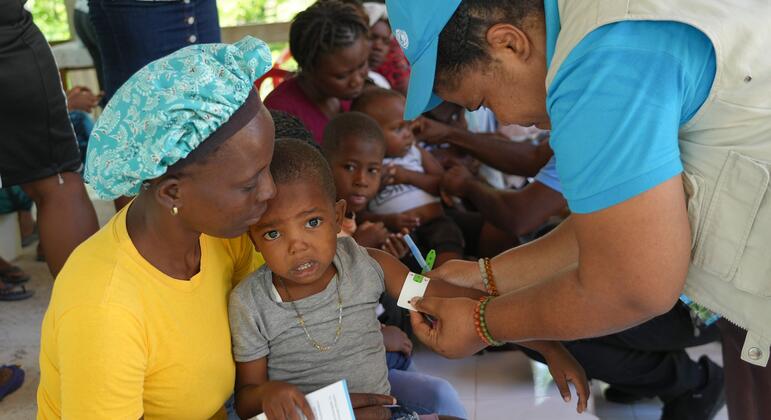
Food insecurity remains one of the most pressing issues in Haiti. An increase in gang activity has disrupted food supply chains, driving up prices and limiting access. Moreover, malnutrition rates have surged, with many children facing stunted growth due to a lack of proper nutrition. This humanitarian crisis poses long-term risks to the nation’s future.
Gang Violence: A Constant Threat
The rise of gang violence has plagued Haiti for decades, but the past year has seen an alarming surge in violent incidents. Gangs now control significant territories in Port-au-Prince, leading to displacement, fear, and insecurity among residents.
The Role of Gangs in the Crisis
The illegal activities of gangs, including extortion, kidnapping, and drug trafficking, have created a culture of fear. Many Haitians are unable to go about their daily lives due to the threat of violence. Reports indicate that the number of kidnappings has spiked, with families often paying hefty ransoms to secure the release of loved ones.
Impact on Humanitarian Aid
Due to the security situation, humanitarian workers face significant challenges in reaching those in need. Organizations have reported attacks on aid convoys, and many have been forced to suspend operations. This has intensified the suffering of the most vulnerable populations in Haiti, further aggravating the humanitarian crisis.
International Response and UNSC Involvement
Recognizing the severity of the situation, the United Nations Security Council has taken steps to address the crisis in Haiti. Recent meetings have focused on strategies for bolstering international support and stabilizing the security situation.
Humanitarian Assistance from the UN
The UN has pledged support in various forms, including funding and supplies to assist Haitians in crisis. Initiatives focus on food aid, medical supplies, and water purification efforts. The organization is working closely with local NGOs to ensure that aid reaches those most affected by the crisis.
Calls for International Aid
During the live discussions at the UNSC, several member states emphasized the need for more robust international involvement. Countries are urged to provide funding, technical assistance, and expertise to help restore stability in Haiti. The international community is recognizing that a coordinated effort is essential for addressing the multifaceted issues facing the nation.
Challenges Facing the Implementation of Aid
Despite the commitments made by the international community, numerous challenges hinder the effective distribution of aid.
Security Concerns
As mentioned earlier, gang violence poses a significant risk to aid workers, making it difficult for them to operate safely. The lack of a secure environment stifles humanitarian efforts, often leaving those in need without the necessary assistance.
Logistical Difficulties
Haiti’s infrastructure has deteriorated over the years, complicating transportation and communication. Many roads are impassable due to damage from natural disasters or neglect. These logistical challenges make it more difficult for aid organizations to deliver supplies and services.
Community Resilience and Local Initiatives
In the face of adversity, the people of Haiti show remarkable resilience. Local community initiatives and grassroots organizations play a vital role in addressing immediate needs.
Empowering Local Solutions
Haitians have been coming together to support one another, often creating makeshift relief efforts to provide food and services. Community kitchens and local shelters have emerged as lifelines for vulnerable populations. These local initiatives demonstrate the strength and solidarity of the Haitian people, even in the toughest of times.
Education and Awareness
Education continues to be a priority, and local organizations emphasize the importance of raising awareness regarding security and health issues. Community workshops aim to inform residents about their rights, safety practices, and available resources.
Conclusion: The Path Forward for Haiti
As the UNSC addresses the ongoing humanitarian crisis in Haiti, it is clear that coordinated international action is crucial for alleviating the suffering of millions. The combination of gang violence and humanitarian needs presents a complex challenge that requires multi-faceted solutions.
A Call to Action
The international community must rally in support of Haiti, providing not just immediate aid, but also long-term solutions aimed at stability and recovery. By investing in education, infrastructure, and economic opportunities, the cycle of poverty and violence can be broken.
The live updates on the UNSC’s approach to Haiti provide a glimpse into the efforts being made to address this escalating crisis. However, the real change will come from sustained commitment, resources, and collaboration with the people of Haiti. Only through a united front can a durable solution be realized, ensuring a brighter future for the nation.
By focusing on these key areas, we can not only stay informed about the situation but also contribute to the much-needed change. The humanitarian crisis and gang violence in Haiti is a call for collective responsibility; every bit of support counts. Let us not forget the resilience of the Haitian people, and strive to empower them towards a peaceful and prosperous future.
For more details and the full reference, visit the source link below:
Read the complete article here: https://news.un.org/feed/view/en/story/2026/04/1167362