
Ceasefire Extension Offers Diplomatic Opening, But Tensions Persist in Strait of Hormuz
The geopolitical landscape surrounding the Strait of Hormuz has been tumultuous for decades, marked by strategic maritime significance and regional conflicts. Recently, a ceasefire extension has ignited discussions about potential diplomatic resolutions. However, despite this glimmer of hope, underlying tensions remain high, raising concerns among global stakeholders. This article delves into the implications of the ceasefire extension, the geopolitical dynamics at play, and the ongoing challenges in the Strait of Hormuz.
Understanding the Ceasefire Extension
In recent weeks, multiple nations involved in the region’s conflicts have agreed to extend an existing ceasefire. This decision marks a critical juncture, providing a window of opportunity for diplomatic negotiations. The ceasefire primarily concerns key players—including Iran, Saudi Arabia, and various regional factions—paving the way for discussions aimed at sustainable peace.
Impacts on Regional Stability
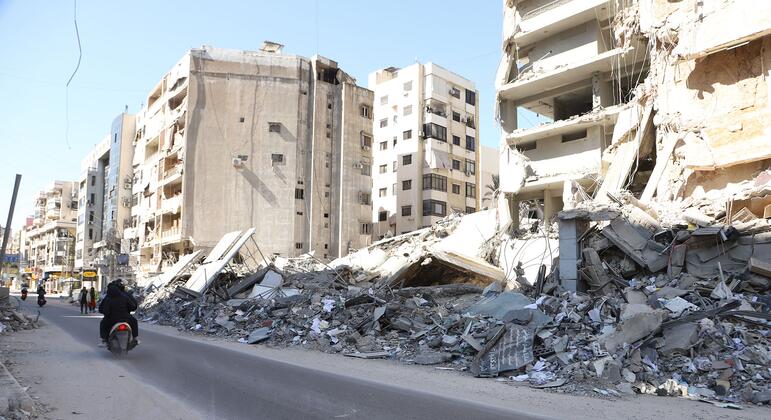
The cessation of hostilities has resulted in a temporary reduction of violence, allowing humanitarian aid to flow into war-torn areas. Analysts highlight that this fragile peace offers a chance for countries traditionally at odds to reconsider their positions and seek mutual understanding. The ceasefire not only serves the immediate needs of civilians but also creates a platform for broader peace talks that could lead to stable governance in the region.
The Role of International Stakeholders
International powers, notably the United States, Russia, and European nations, are engaged in efforts to support the ceasefire. Their involvement underscores the strategic importance of the Strait of Hormuz, a vital conduit for global oil supplies. The collective interest of these nations in maintaining maritime freedom can serve as a catalyst for diplomatic dialogue, effectively safeguarding international trade.
Persistent Tensions in the Strait of Hormuz
Despite the promising developments surrounding the ceasefire, tensions in the Strait of Hormuz remain palpably high. This narrow waterway is one of the world’s most critical maritime chokepoints, with approximately 20% of global oil supply passing through it. As such, the region’s stability is paramount not only for local nations but for global economies.
Geopolitical Rivalries
Geopolitical rivalries in the region further complicate the situation. Iran’s assertive military posture in the Strait has led to confrontations with U.S. naval forces patrolling the waters. The consistent threats of maritime interdiction from Iran contribute to the volatility of the region. The global community remains wary of how these tensions will influence ongoing tensions in the broader Middle East.
Impact of Sanctions
The sanctions imposed on Iran have exacerbated tensions in the Strait of Hormuz. As Tehran faces increasing economic pressure, the Iranian government is more likely to resort to aggressive tactics to project strength and deter perceived threats. This can lead to unpredictable military maneuvers, which endanger not only shipping lines but also global oil prices.
The Oil Market and Economic Implications
The intricate relationship between regional tensions and the oil market cannot be overstated. Fluctuations in tension levels can significantly impact oil prices, with market stability often hinging on the security of the Strait of Hormuz.
Price Volatility
Analysts predict that any disruption in the Strait—whether from military conflict or geopolitical maneuvering—could send oil prices soaring. The global economy is sensitive to such fluctuations, which can have widespread repercussions, particularly for countries heavily reliant on oil imports.
Alternative Routes and Solutions
In response to the persistent risks posed by the Strait of Hormuz, nations are exploring alternative routes for oil transportation. Pipeline projects and logistics alternatives could mitigate some of the risks associated with maritime travel in the area, but these initiatives take time to establish and come with their own set of challenges.
A Diplomatic Path Forward
Given the complex dynamics in the Strait of Hormuz, there are potential paths forward that could further leverage the recent ceasefire extension.
Multilateral Talks
A robust framework for multilateral talks involving all key stakeholders—including regional and international powers—could help de-escalate tensions. These discussions can not only focus on immediate diplomatic resolutions but also address larger geopolitical issues that contribute to instability.
Confidence-Building Measures
Implementing confidence-building measures among nations, such as naval cooperation, maritime safety agreements, and trade initiatives, could pave the way for longer-lasting peace. These actions would foster trust and encourage nations to engage in constructive dialogue rather than confrontation.
Engaging Civil Society
Lastly, involving civil society actors from the countries surrounding the Strait of Hormuz in peace-building initiatives would be crucial. Grassroots efforts can work in tandem with diplomatic forces, fostering a culture of peace at a community level.
Conclusion
The recent ceasefire extension in the region offers a glimmer of hope for diplomatic resolution in the conflict-ridden Strait of Hormuz. However, the underlying tensions, exacerbated by geopolitical rivalries, economic sanctions, and the delicate oil market, remain pressing concerns. A multi-faceted approach emphasizing diplomacy, regional cooperation, and proactive engagement from international stakeholders is critical to transforming this diplomatic opening into a pathway for sustained peace and stability. Until then, the Strait of Hormuz remains a flashpoint, with rippling effects on global trade and economic security.
For more details and the full reference, visit the source link below:
Read the complete article here: https://news.un.org/feed/view/en/story/2026/04/1167354