
Slaughtered Like Goats: Despair and Abandonment in South Sudan
Introduction
South Sudan, the world’s youngest nation, has experienced turmoil and violence since its independence in 2011. The phrase “slaughtered like goats” encapsulates the brutal reality faced by many of its citizens amidst ongoing conflict. This article delves into the despair and abandonment experienced by the people of South Sudan, exploring the socio-political factors that contribute to their suffering.
Historical Context of South Sudan
South Sudan’s troubled history can be traced back to decades of civil war between the North and South. Following a protracted struggle for independence, the South finally gained its sovereignty on July 9, 2011. However, the euphoria of independence quickly faded as power struggles led to a violent civil war in late 2013, exacerbating ethnic tensions and rendering the state fragile.
Ethnic Tensions and Violence
The civil strife often pits different ethnic groups against each other, particularly the Dinka and Nuer. These tensions have resulted in massive human rights violations, with countless civilians caught in the crossfire. The imagery of being “slaughtered like goats” underscores the dehumanization that victims often experience during such violent outbreaks.
Current Humanitarian Crisis
Currently, South Sudan faces one of the largest humanitarian crises in the world. Millions of people are uprooted, with approximately 4 million displaced from their homes. Food insecurity is rampant, with over 7 million people facing severe hunger. As international organizations strive to provide aid, the logistical and security challenges often hinder their efforts.
Displacement and Refugee Crisis
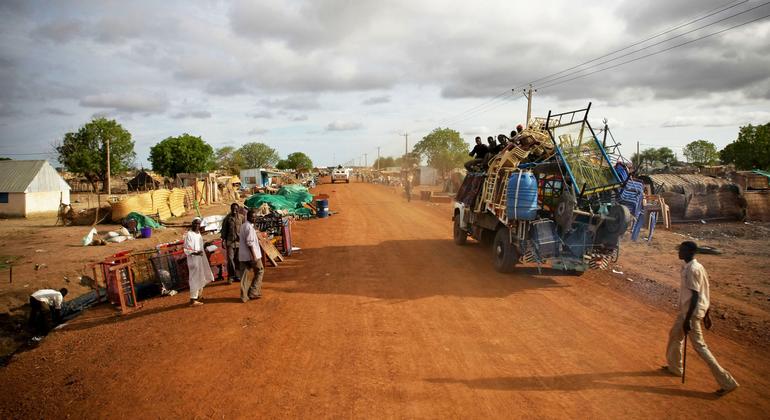
Internally displaced persons (IDPs) often live in makeshift camps marked by overcrowding and inadequate sanitation. The lives of these individuals are characterized by despair, as they have lost their homes, livelihoods, and often family members. Many have fled to neighboring countries, such as Uganda and Ethiopia, where they continue to live under precarious conditions.
Socioeconomic Impact of the Conflict
The prolonged conflict has devastating effects on the socioeconomic fabric of South Sudan. The economy, which heavily relies on oil exports, has been crippled by violence and mismanagement. Infrastructure remains severely underdeveloped, limiting access to education, healthcare, and basic services.
Education and Child Welfare
Education in South Sudan is gravely affected by violence. Schools are often closed due to security concerns, and children are displaced along with their families. The youth, who should be the country’s future, are left without opportunities, leading to a cycle of poverty and hopelessness.
Health Crisis
The health sector is on the brink of collapse, with hospitals and clinics lacking essential medical supplies. Cholera outbreaks, malaria, and malnutrition plague the population, and the inability to access healthcare compounds the despair felt by many.
Psychological Impact of Violence
The continuous exposure to violence and trauma has left deep psychological scars on the people of South Sudan. Many suffer from post-traumatic stress disorder (PTSD), depression, and anxiety. Mental health resources are scarce, perpetuating a cycle of despair and hopelessness.
Stigma Surrounding Mental Health
Culturally, mental health issues face significant stigma in South Sudan. Many view psychological distress as a weakness or a spiritual affliction, further isolating those who suffer. This societal attitude hinders the potential for recovery and healing.
Abandonment by the International Community
Despite the dire humanitarian situation, South Sudan has often been neglected by the international community. While organizations like the United Nations and various non-governmental organizations (NGOs) work tirelessly to provide aid, political will from global actors remains inconsistent.
Limited Support and Aid
Political intrigue often overshadows humanitarian efforts. Pledges of support frequently fail to translate into action or resources on the ground. With millions suffering, the notion of being “slaughtered like goats” takes on a grim meaning—implying that the world watches indifferently as the situation continues to deteriorate.
The Role of Media in Highlighting Despair
Media coverage plays a crucial role in shedding light on the plight of South Sudanese people. However, sensationalized reporting can sometimes undermine the complexity of the situation. Continuous coverage is essential to keep the global community informed and engaged.
Responsible Journalism
Journalists should aim to provide nuanced perspectives that humanize the victims rather than depict them merely as statistics. By telling individual stories of survival and resilience, media can create a deeper understanding of the human condition in South Sudan.
Hope Amidst Despair
Despite the overwhelming challenges, glimmers of hope persist. Many grassroots organizations work diligently to empower communities, foster resilience, and promote peacebuilding efforts. Initiatives focusing on education, healthcare, and community development are crucial to rebuilding South Sudan’s future.
The Power of Community
Communities often come together to support one another in times of crisis. Traditional leaders and organizations can foster peace and reconciliation, moving towards healing. These grassroots efforts are vital for instilling hope in a seemingly hopeless situation.
Conclusion
The phrase “slaughtered like goats” starkly illustrates the brutal reality faced by individuals in South Sudan. The overarching themes of despair and abandonment paint a grim picture of life in this war-torn country. However, by fostering awareness, providing aid, and supporting local initiatives, the international community can play a pivotal role in shaping a brighter future for South Sudanese people. Hope thrives in the resilience of those who endure, reminding us that collective action can help overcome even the darkest of times.
For more details and the full reference, visit the source link below:
Read the complete article here: https://news.un.org/feed/view/en/story/2026/04/1167327