
Iran Ceasefire Raises Hopes for Reopening Key Strait of Hormuz
Introduction: The Strategic Importance of the Strait of Hormuz
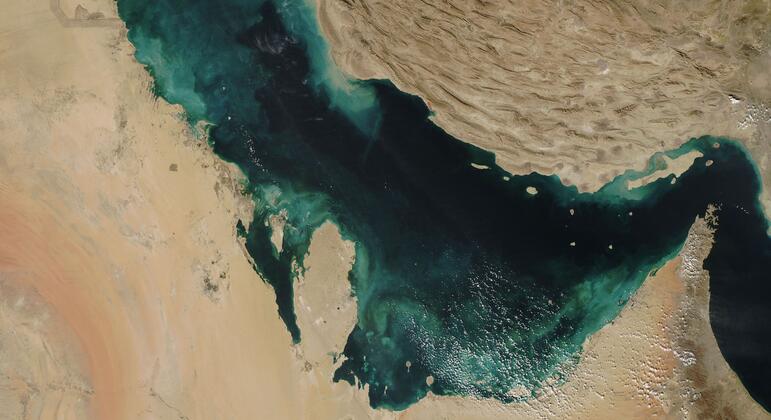
The Strait of Hormuz is one of the world’s most vital waterways, serving as a transit route for approximately 20% of the global oil supply. This narrow passage connects the Persian Gulf to the Arabian Sea and is surrounded by Iran, Oman, and the United Arab Emirates. Given its geopolitical importance, any tension or conflict in the region can have substantial implications for global energy markets. Recently, a ceasefire agreement in Iran has triggered hopes for the reopening of this crucial strait, bringing optimism for global trade and stability.
Understanding the Background: The Iran Conflict
Over the past few years, Iran has been embroiled in various conflicts, both internally and with its neighbors. Political unrest, international sanctions, and military engagements have strained relations with several countries, particularly those in the West. Increased military presence and naval confrontations in the Strait of Hormuz have raised concerns about the safety of maritime operations, leading to a volatile environment for shipping and trade.
Details of the Ceasefire Agreement
In recent weeks, Iranian authorities reached a ceasefire agreement aimed at de-escalating tensions in the region. This development includes:
-
Diplomatic Engagement: Increased dialogue among regional players has facilitated a more stable environment, allowing for discussions focused on peace.
-
Military Reductions: The Iranian government has committed to reducing military activities in the region, which may help alleviate fears of confrontation at sea.
-
Increased Security Measures: Enhanced safety protocols for vessels passing through the Strait may become a reality, further boosting maritime confidence.
These steps could significantly improve conditions for international shipping fleets operating in the area.
Economic Implications of the Ceasefire
The reopening of the Strait of Hormuz can have various economic implications:
-
Stabilizing Oil Prices: Oil prices have been notoriously volatile due to conflicts in the region. A stable Strait could facilitate the movement of oil and potentially lower prices for consumers and businesses globally.
-
Increasing Trade: Several nations rely on the energy resources that travel through the Strait. A secure passage can improve trade relations and economic ties with Iran and its regional partners.
-
Foreign Investments: The prospect of increased stability may attract foreign investments into the region, bolstering the economies of surrounding countries and encouraging infrastructure development.
How the Ceasefire Affects Global Energy Markets
The global energy market is sensitive to changes in the geopolitical landscape. The potential reopening of the Strait of Hormuz offers several advantages:
-
Increased Supply Chain Reliability: Businesses can operate with more certainty, reducing the risks associated with shipping disruptions.
-
Long-term Contracts: Suppliers may be more willing to enter into long-term agreements, thereby benefiting both producers and consumers.
-
Diversification of Energy Sources: With improved security, nations might explore diverse energy routes and suppliers, reducing global dependency on any single region.
Challenges Ahead: Will the Ceasefire Hold?
While the ceasefire brings much-needed hope, various challenges remain:
-
Political Instability: Domestic issues within Iran may lead to renewed tensions, impacting the ceasefire’s longevity.
-
Regional Rivalries: Countries such as Saudi Arabia and Israel maintain strained relations with Iran. Their responses to this ceasefire could either fan the flames of conflict or support stability.
-
International Pressure: Western nations have maintained harsh sanctions on Iran. The interplay between domestic policy and international relations will be critical in determining the ceasefire’s success.
Cautious Optimism: The International Community’s Role
The international community has a pivotal role in ensuring the success of the ceasefire. Dialogues mediated by platforms such as the United Nations and other international organizations can help maintain momentum. Furthermore, multifaceted diplomacy that includes economic support and security guarantees can foster a long-lasting peace in the region.
Conclusion: A Hopeful Future for the Strait of Hormuz
In summary, the recent ceasefire in Iran offers a glimmer of hope for the reopening of the Strait of Hormuz. This vital waterway plays an essential role in global trade and energy supply. With nations keenly observing developments in the region, a cohesive approach to managing both economic and security challenges will be critical.
As the global community watches, the potential for heightened security and stability in the Strait of Hormuz presents an opportunity for countries to explore diplomatic solutions that benefit regional and global interests. While challenges remain, the path toward a more secure and prosperous Strait may very well start with this ceasefire—opening doors for renewed economic relationships and a more peaceful coexistence in one of the world’s most contested regions.
For more details and the full reference, visit the source link below:
Read the complete article here: https://news.un.org/feed/view/en/story/2026/04/1167270