
Middle East Live Update: UN Condemns Massive Strikes in Lebanon (April 9)
Introduction
On April 9, 2023, the ongoing crisis in the Middle East escalated with significant military action in Lebanon, prompting a stern condemnation from the United Nations. As tensions rise, concerns about a lasting ceasefire grow, and the geopolitical landscape continues to shift. This article provides detailed insights into the situation, analyzing the recent developments, the UN’s response, and the broader implications for the region.
Background of the Conflict
The Middle East has long been a hotspot of geopolitical conflict, affected by historical grievances, territorial disputes, and the involvement of international powers. In recent months, tensions between various factions have intensified, especially in Lebanon, where a fragile political stability is continuously undermined by external pressures and internal divisions.
Key Players Involved
-
Hezbollah: The Lebanese militant group has been a significant player in the regional conflict, often supported by Iran. Its armed presence in Lebanon has raised alarms among its neighbors and Western powers.
-
Israeli Defense Forces (IDF): Israel’s military operations in Lebanon focus on countering Hezbollah and safeguarding its borders. The IDF’s strategy often involves preemptive strikes against perceived threats.
-
United Nations: As a neutral arbitrator, the UN has consistently called for peace and adherence to international laws. Its resolutions aim to de-escalate conflicts and promote dialogue among conflicting parties.
The Recent Strikes in Lebanon
Overview of Military Activity
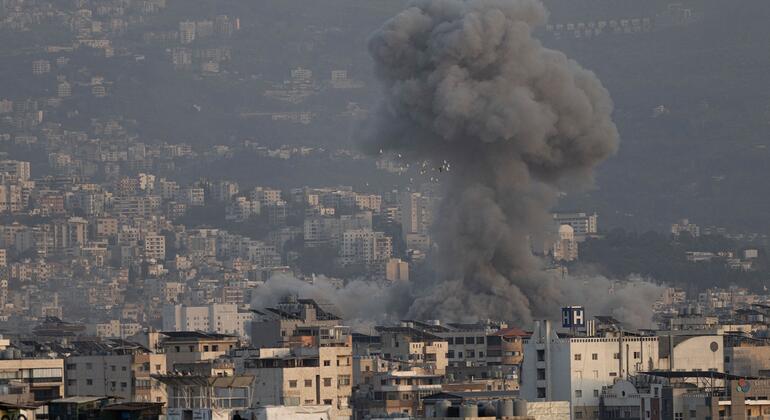
On April 9, reports emerged of massive strikes targeting various locations in Lebanon. These strikes, attributed to the Israeli military, resulted in significant destruction and raised alarms about the humanitarian implications for the civilian population.
Specific Areas Affected
-
Beirut: The capital witnessed rocket fire, leading to widespread panic. Infrastructure damage was reported, affecting essential services.
-
Southern Lebanon: Regions close to the Israeli border experienced intense bombardment, with civilian casualties being reported.
Humanitarian Impact
The strikes have heightened humanitarian concerns in Lebanon, which is already grappling with economic turmoil. Hospitals and aid organizations are overwhelmed, struggling to meet the needs of injured civilians and families displaced by the conflict.
The United Nations’ Condemnation
Statement from the UN
In response to the escalating violence, the United Nations issued a strong condemnation of the strikes in Lebanon. In its official statement, the UN emphasized the need for restraint and urged all parties to adhere strictly to international laws governing armed conflict. The UN Secretary-General highlighted the imperative to protect civilian lives and infrastructure.
Calls for Dialogue
The UN reiterated its call for an immediate cessation of hostilities and urged all parties involved to engage in constructive dialogue to resolve their differences. Emphasizing diplomacy over military action, the UN aims to mediate a peaceful resolution to the conflict.
Growing Concerns Over Ceasefire
Challenges to Ceasefire Implementation
The likelihood of a sustainable ceasefire appears fragile. Multiple factors contribute to this precarious situation:
-
Lack of Trust: Historical grievances between warring factions have led to deep mistrust, complicating negotiations.
-
Involvement of External Actors: Countries like Iran and the United States exert influence on local players, often complicating efforts for peace.
-
Internal Political Strife: Lebanon’s political landscape is marred by divisions, inhibiting unified responses to external pressures.
The Role of International Community
The international community remains divided over the best approach to reestablish peace in Lebanon. While some advocate for stronger sanctions against aggressive actors, others suggest increased diplomatic engagement.
Conclusion
The events of April 9 in Lebanon present a critical juncture in the ongoing Middle Eastern crisis. The UN’s condemnation of considerable military strikes emphasizes the need for an immediate resolution to protect civilians and safeguard regional stability. As the situation unfolds, international efforts will be crucial in steering the path toward a lasting ceasefire.
Call to Action
For those concerned about the humanitarian impact of ongoing conflicts in the Middle East, it is vital to stay informed and support organizations working toward peace and recovery in affected regions. The cycle of violence must end, and only through collective action can we hope for a brighter future for Lebanon and the broader Middle East.
SEO Optimization
To ensure this article ranks well in search results, we have included relevant keywords such as “Lebanon strikes,” “UN condemnation,” “Middle East conflict,” and “ceasefire concerns.” These keywords are strategically placed in headings and throughout the text.
By understanding the intricacies of the conflict and its implications, readers can more effectively engage in discussions about peace initiatives and humanitarian support in the region.
This comprehensive summary provides a thorough overview of the recent UN condemnation of strikes in Lebanon and the associated implications for regional peace and stability.
For more details and the full reference, visit the source link below:
Read the complete article here: https://news.un.org/feed/view/en/story/2026/04/1167271