
World News in Brief: Death on the Mediterranean, Displacement in Afghanistan, ‘One Health’ Summit
The world is currently grappling with various crises, from humanitarian emergencies to health discussions that take on a global perspective. This article provides an overview of three significant issues: the tragic deaths occurring in the Mediterranean Sea, ongoing displacement challenges in Afghanistan, and the recent ‘One Health’ summit aimed at addressing interconnected global health concerns.
Death on the Mediterranean
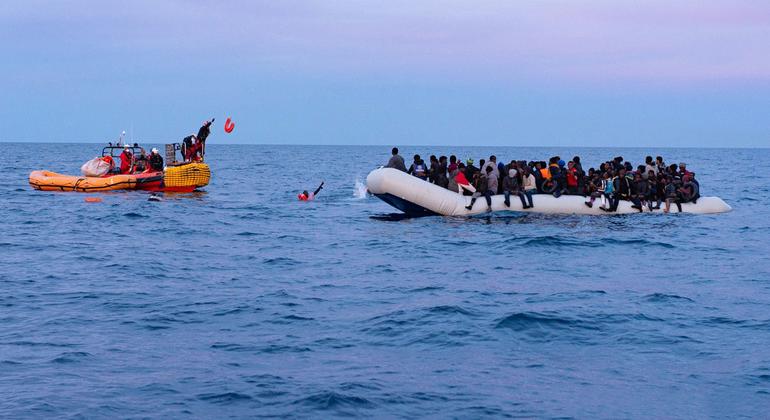
The Mediterranean Sea has long been known as a route for migrants seeking better lives in Europe. However, it has also become a graveyard for many who attempt the perilous journey. Recent reports indicate an alarming increase in the number of lives lost in these treacherous waters.
Rising Death Toll
As of 2023, humanitarian organizations have documented thousands of deaths in the Mediterranean. In a grim statistic, the International Organization for Migration (IOM) reported that over 23,000 migrants have died while attempting to cross since 2014. Many of these individuals are fleeing war, persecution, and poverty, driven by an urgent need for safety and opportunity.
Causes of the Crisis
Several factors contribute to this ongoing tragedy. Political instability in regions such as Africa and the Middle East has resulted in mass displacement. Increased border controls in Europe have made it difficult for migrants to find safe passage, leading many to resort to dangerous smuggling routes. Poorly equipped boats, overcrowding, and lack of emergency response options exacerbate the situation.
Humanitarian Efforts
Organizations such as Médecins Sans Frontières (Doctors Without Borders) and the IOM are on the front lines, providing critical assistance to migrants. They advocate for safer migration routes and stronger international cooperation to address the root causes of displacement. However, their efforts are often hampered by limited funding and hostile political environments.
Displacement in Afghanistan
Afghanistan continues to face a humanitarian crisis marked by widespread displacement. The situation has worsened since the Taliban regained control in August 2021, prompting fears of a regression in human rights, especially for women and marginalized communities.
Ongoing Displacement Crisis
According to the United Nations High Commissioner for Refugees (UNHCR), millions of Afghans are currently displaced due to ongoing violence and persecution. Many have fled to neighboring countries, while others remain internally displaced. The challenge is not just physical safety; many displaced individuals lack access to basic necessities such as food, shelter, and health care.
Human Rights Concerns
The Taliban’s return to power has raised serious concerns about the treatment of women and minorities. Reports of forced marriages, restrictions on education, and limitations on mobility have surfaced, creating an environment of fear. Activists and international organizations are calling for sustained global attention to prevent further erosion of human rights.
Humanitarian Response
International humanitarian aid has been crucial in providing support to displaced populations. However, funding remains inadequate. Organizations like the World Food Program (WFP) have been working tirelessly to deliver food assistance, but they face immense challenges in accessing remote areas. The international community is urged to not only provide immediate relief but to also focus on long-term stability and development in Afghanistan.
‘One Health’ Summit: A Global Approach to Health
In light of recent pandemics and emerging health threats, the need for a collaborative approach to health has never been more apparent. The ‘One Health’ summit convened leaders, researchers, and healthcare professionals from various sectors to address the intricate links between human health, animal health, and ecosystems.
Understanding One Health
The One Health approach recognizes that the health of humans, animals, and the environment are interconnected. This holistic perspective aims to tackle pandemics at their source, whether they arise from zoonotic (animal-transmitted) diseases or environmental factors.
Key Takeaways from the Summit
-
Interdisciplinary Collaboration: Experts emphasized the importance of collaboration between veterinary scientists, environmentalists, and public health professionals. Such interdisciplinary partnerships are crucial for early detection and response to health threats.
-
Investment in Research and Infrastructure: Delegates called for increased funding to support research into zoonotic diseases and the development of robust health infrastructure, especially in low and middle-income countries.
-
Public Awareness: Educating the public on the One Health concept is essential for fostering community engagement and response during health crises. Efforts should focus on informing citizens about how their health is interconnected with the environment and animal health.
-
Global Policy Alignment: The need for aligned global health policies was a prominent theme. Participants urged governments and international organizations to create frameworks that facilitate equitable health responses, particularly in global disease surveillance and response mechanisms.
Future Implications
The outcomes of the One Health summit have the potential to reshape global health strategies. By adopting a comprehensive approach, countries may better prepare for future pandemics while also addressing ongoing health disparities.
Conclusion
The challenges of death in the Mediterranean, displacement in Afghanistan, and the call for a unified health approach at the One Health summit reflect the complex, interconnected issues facing our world today. Each topic highlights the need for urgent action, empathy, and collaboration on an international scale.
As the global community continues to navigate these crises, it is imperative to stay informed and engaged. By sharing knowledge and resources, we can work toward solutions that address immediate humanitarian needs while fostering a safer and healthier world for all.
Call to Action
Stay updated on these critical global issues by following reputable news sources. Consider supporting humanitarian organizations addressing these crises and advocate for policies that prioritize human rights and health equity. Your engagement can make a significant difference in the lives of those affected by these pressing challenges.
For more details and the full reference, visit the source link below:
Read the complete article here: https://news.un.org/feed/view/en/story/2026/04/1167262