
DR Congo: UN Vows Orderly Peacekeeping Transition as South Africa Withdraws Troops
Introduction
The Democratic Republic of Congo (DRC) has been no stranger to turmoil, with its complex history of conflict significantly impacting its socio-political landscape. A crucial turning point in this ongoing narrative has emerged as the United Nations (UN) commits to an orderly transition of peacekeeping efforts. This follows South Africa’s decision to withdraw its troops from the DRC, raising questions about stability and the prospects for lasting peace.
Historical Context
The DRC has been affected by decades of civil wars, leading to the displacement of millions and an ongoing humanitarian crisis. Despite the presence of various international and regional forces aimed at stabilizing the country, the situation remains precarious.
South Africa’s Withdrawal: Implications and Context
South Africa’s recent announcement to withdraw its troops comes after nearly two decades of involvement in the DRC’s peacekeeping operations. This decision is part of a broader review of South Africa’s military engagements abroad, considering both financial and strategic factors. Given South Africa’s historical ties with the DRC and their shared interests in regional stability, this withdrawal raises concerns over a potential vacuum in security.
UN’s Role in Peacekeeping
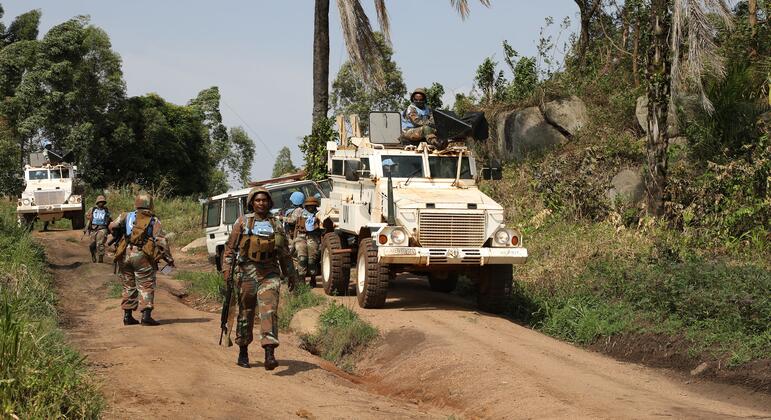
The UN Stabilization Mission in the Democratic Republic of the Congo (MONUSCO) has played a pivotal role since its establishment. MONUSCO has been tasked with protecting civilians, supporting humanitarian aid, and helping to stabilize the DRC politically. As South Africa steps back, the UN’s commitment to an orderly peacekeeping transition becomes crucial in ensuring that the DRC does not slip back into instability.
The Importance of an Orderly Transition
The UN’s emphasis on an orderly transition is critical for several reasons:
-
Preventing Power Vacuums: An abrupt withdrawal of forces can create a power vacuum that various armed groups might exploit, further destabilizing the region.
-
Sustaining Peace Efforts: Continued UN presence and transition will help sustain the peace agreements already in place and foster dialogue among various political factions within the DRC.
-
Facilitating Humanitarian Efforts: With ongoing humanitarian crises, the UN’s role remains critical in supporting aid organizations working on the ground to address the needs of the Congolese population.
Regional Repercussions
The withdrawal of South African troops could have profound implications not only for the DRC but also for neighboring countries. A destabilized DRC could lead to increased cross-border conflicts, affecting countries like Rwanda and Uganda. Regional stability is closely tied to the DRC’s ability to maintain peace, and any slip could re-ignite old tensions.
Role of Other African Nations
In light of South Africa’s withdrawal, other African nations might need to bolster their involvement in the DRC to ensure stability. Countries such as Tanzania and Malawi have previously participated in peacekeeping missions, and their input may become even more necessary as the situation evolves.
The DRC Government’s Response
The Congolese government has stressed the importance of local capacity building in light of international troop withdrawals. Developing a strong national army and police force is crucial for maintaining order. However, the government faces significant challenges, including corruption, lack of resources, and a history of human rights abuses.
Humanitarian Crisis: A Call for Action
The UN’s transition plan must also address the ongoing humanitarian crisis, with millions of Congolese displaced due to armed conflicts, violence, and natural disasters. As attention shifts with the change in troop deployments, international aid and humanitarian responses should not falter. The UN must ensure that organizations focused on health, food security, and shelter are adequately funded and supported.
Future Prospects for Stability
Looking ahead, several factors will determine the DRC’s prospects for long-term stability:
-
Political Dialogue: Engaging various political factions in Dialogue to create a unified front against threats posed by armed groups.
-
Strengthening Local Institutions: Focusing on building trust in local governance and policing to provide a sense of security to the populations they serve.
-
International Support: Continued support from international organizations and nations can provide the extra layer of security and economic assistance necessary for rebuilding.
Conclusion
As the UN vows an orderly peacekeeping transition amidst South Africa’s troop withdrawal, the DRC stands at a critical juncture. The nation’s future hinges on effective governance, regional cooperation, and sustained international support. While challenges remain daunting, a coordinated approach involving various stakeholders might offer the best path towards achieving long-lasting peace and stability in the DRC.
SEO Optimization Strategies
-
Keyword Placement: Use keywords such as “DR Congo,” “UN peacekeeping,” “South Africa withdrawal,” and “regional stability” throughout the article, especially in headings and the introduction.
-
Internal Linking: Link to related articles discussing the DRC’s conflict history, UN operations, and South Africa’s military policies.
-
External Resources: Include links to authoritative sources such as UN reports, humanitarian organization sites, and think tank analyses to establish credibility.
-
Use of Meta Descriptions: Write an engaging meta description for this article that includes target keywords and summarizes the main points.
By addressing these aspects, the article not only provides valuable insight but also works well for search engine optimization, making it more likely to reach a broader audience.
For more details and the full reference, visit the source link below:
Read the complete article here: https://news.un.org/feed/view/en/story/2026/02/1166926