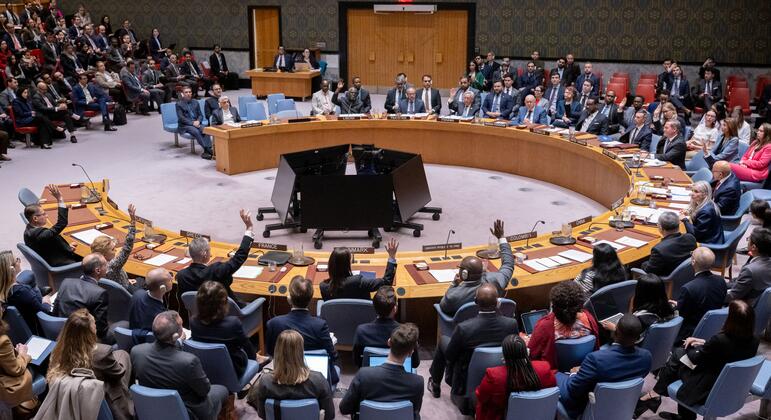

Security Council: Russia and China Veto Resolution on Strait of Hormuz
Introduction
The United Nations Security Council plays a crucial role in maintaining international peace and security. One of its primary functions is to address conflicts and issues that could threaten global stability. Recently, the Security Council faced significant contention when Russia and China exercised their veto power against a resolution concerning the Strait of Hormuz, a strategically vital waterway. This event marks a pivotal moment in international diplomacy and has implications for global geopolitics.
Understanding the Strait of Hormuz
Geopolitical Importance
The Strait of Hormuz is a narrow waterway that connects the Persian Gulf with the Gulf of Oman. Approximately 20% of the world’s oil passes through this strait, making it an essential route for global energy supplies. Given its economic significance, tensions in this region can have far-reaching consequences for oil prices and, by extension, the global economy.
Recent Tensions
In recent years, the Strait of Hormuz has been a flashpoint for geopolitical conflicts, particularly involving Iran and the United States. Incidents like maritime confrontations and threats to shut down the strait have heightened global concerns about security in the region. This backdrop amplifies the importance of any Security Council resolutions aimed at addressing threats to navigation and maritime security.
The Vetoed Resolution
Proposed Measures
The recent Security Council resolution aimed to enhance international monitoring and security measures in the Strait of Hormuz, addressing escalating tensions and ensuring the safe passage of vessels through this critical passage. The proposal included provisions for increased naval presence from allied nations as well as enhanced cooperation with regional partners to ensure maritime security.
Russia and China’s Stance
Russia and China, both permanent members of the Security Council, vetoed the resolution citing concerns over sovereignty and the potential escalation of military presence in the region. They argued that unilateral actions by Western nations could exacerbate existing tensions and destabilize the Middle East further.
Implications of the Veto
Regional Stability
The veto has considerable implications for regional stability. Experts argue that Russia and China’s actions reflect a broader strategy to counter U.S. influence in the Middle East. This geopolitical maneuvering could lead to an arms race or an increase in hostilities among regional players.
International Relations
The veto further complicates international relations. With Russia and China increasingly aligned against Western initiatives, the possibility of a united approach to maritime security diminishes. Such divisions within the Security Council could undermine its credibility and effectiveness in addressing future crises.
The Role of the United States
America’s Response
The U.S. has expressed disappointment over the vetoes, asserting that international action is crucial to safeguard vulnerable maritime routes. Washington is likely to seek alternative measures, possibly strengthening bilateral relations with other nations involved in the region.
Future Challenges
The U.S. will need to navigate the complexities of working with its allies while also addressing the geopolitical implications of Russia and China’s growing influence. The challenge lies in balancing diplomatic efforts to ensure safety in the Strait of Hormuz without further escalating tensions.
Potential Alternatives
Multilateral Diplomacy
In the face of vetoed resolutions, multilateral diplomacy might be a viable path forward. Engaging countries with a stake in the region, including those from the Gulf Cooperation Council (GCC) and other non-permanent members of the Security Council, could yield more comprehensive solutions.
Joint Naval Exercises
Another potential solution is conducting joint naval exercises with allied nations in the region, aimed at demonstrating commitment to maritime security without the need for a permanent military presence. Such actions can reassure shipping lanes while respecting the concerns of Russia and China.
Conclusion
The decision by Russia and China to veto the resolution concerning the Strait of Hormuz represents a significant moment in international diplomacy. The interplay of global power dynamics and regional complexities demands effective dialogue and solutions that can address the root causes of tensions in the area.
As global leaders navigate this challenging landscape, gaining insights from both historical and contemporary geopolitical patterns will be essential. A comprehensive approach that includes regional stakeholders will likely yield more effective and sustainable solutions for ensuring the safety of one of the world’s most critical maritime routes.
Keywords for SEO Optimization
- Security Council
- Russia and China veto
- Strait of Hormuz
- geopolitical tensions
- international relations
- maritime security
- naval presence
- Middle East conflict
- energy supplies
- diplomatic solutions
By strategically incorporating these keywords throughout the content, its visibility and relevance in search engine results will be significantly enhanced, enabling a wider audience to engage with this crucial topic in international relations.
For more details and the full reference, visit the source link below:
Read the complete article here: https://news.un.org/feed/view/en/story/2026/04/1167261