
Remembering the Victims of the 1994 Genocide Against the Tutsi in Rwanda
Introduction
The 1994 genocide against the Tutsi in Rwanda was one of the darkest chapters in human history. Over the course of just 100 days, an estimated 800,000 Tutsis and moderate Hutus were brutally slaughtered in an orchestrated campaign of mass murder. Entire families were erased, and communities were left shattered. This article seeks to remember the victims, highlight the atrocities, and honor those who lost their lives during this tragic period.
Background of the Genocide
The roots of the Rwandan genocide can be traced back to a long history of ethnic tensions between the Hutu and Tutsi groups. Colonial powers, particularly Belgium, exacerbated these divisions by favoring Tutsis over Hutus, leading to deep-seated animosity. By the early 1990s, this tension had reached a boiling point, culminating in the assassination of President Juvénal Habyarimana on April 6, 1994, which set off a wave of violence against the Tutsi population.
Immediate Triggers
The assassination of Habyarimana was used as a pretext for the genocide. Hutu extremists quickly mobilized to carry out “Operation Turquoise,” a campaign to eliminate Tutsi leadership and reinstate Hutu supremacy. Families were targeted, homes were burned, and thousands were forced into hiding. Reports indicate that entire families were often killed together to ensure their complete eradication.
The Brutality of the Genocide
Mass Killings
From April to July 1994, systematic killings were executed with chilling efficiency. Armed militias, often flanked by government troops, used machetes, guns, and even bare hands to carry out the genocide. Known as the Interahamwe, these militias roamed the countryside, stopping at nothing to annihilate their targets. Eyewitness accounts detail horrific scenes where entire families were murdered in front of each other, deepening the trauma that would linger for generations.
Sexual Violence and Its Aftermath
An appalling aspect of the genocide was the widespread sexual violence that accompanied the killings. Women and girls were subjected to brutal rapes, often in front of family members, leaving thousands traumatized and stigmatized. This violence was used as a weapon of war, with the aim of destroying the fabric of Tutsi communities. The scars of this violence are still felt today, compounding the psychological damage experienced by survivors.
Honoring the Victims
Commemoration Efforts
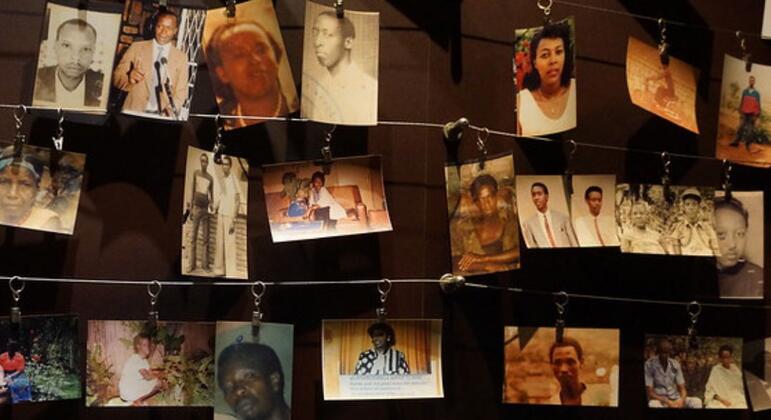
The need to remember the victims of the genocide is essential for healing and ensuring such atrocities never happen again. Memorial sites across Rwanda serve as grim reminders of the horrors experienced. The Kigali Genocide Memorial, located in the capital, holds the remains of over 250,000 victims and serves as an educational center that promotes peace and reconciliation.
Personal Stories
Each victim of the genocide was part of a larger story—each one a mother, father, sister, or brother. By sharing their stories, we can honor their memory. Survivors recount how entire families were lost, emphasizing the importance of commemoration not just as an act of remembrance, but as a means to humanize the statistics.
The Role of Education
Education plays a critical role in the commemoration of the genocide. By teaching future generations about the events of 1994, Rwanda can ensure that the lessons of the past are not forgotten. Schools often incorporate genocide education into their curricula, focusing on themes of tolerance, coexistence, and the dangers of hate speech.
The Aftermath of the Genocide
Rebuilding a Nation
The aftermath of the genocide left Rwanda in ruins, both physically and emotionally. Families were broken, communities shattered, and the psychological toll on survivors was immense. However, Rwanda has made significant strides in rebuilding. Efforts focused on national unity and reconciliation were crucial in fostering some sense of normalcy and healing.
The International Response
The international community’s response to the Rwandan genocide has been widely criticized. While some countries were aware of the looming threat, few took substantive action to prevent the massacre. The lessons learned are critical for international policy, emphasizing the need for timely intervention in cases of potential genocide.
Conclusion
The 1994 genocide against the Tutsi in Rwanda is a devastating reminder of what can happen when hate goes unchecked. As we remember the victims—those entire families brutally erased from existence—it is crucial to ensure that their stories are told and their memories honored. By understanding the past, fostering education, and promoting tolerance, we can work towards ensuring that such atrocities are never repeated. The journey of reconciliation in Rwanda is ongoing, and it calls upon each of us to reflect on our shared humanity.
For more details and the full reference, visit the source link below:
Read the complete article here: https://news.un.org/feed/view/en/story/2026/04/1167256