
UN Nuclear Agency Chief ‘Deeply Concerned’ by Reports of Latest Attack on Iran Power Plant
Introduction
In recent developments that have captured the world’s attention, the head of the International Atomic Energy Agency (IAEA), Rafael Grossi, has voiced deep concerns regarding an alleged attack on a nuclear power plant in Iran. This incident raises significant questions about nuclear safety and regional stability, particularly amid the heightened tensions surrounding Iran’s nuclear ambitions. In this article, we will explore the implications of the attack, the global response, and what it means for the future of nuclear energy in the region.
Background on Iran’s Nuclear Program
Iran’s nuclear program has long been a source of controversy and suspicion. Established in the 1950s under the “Atoms for Peace” initiative, its goals have evolved over the decades. While Iran maintains that its nuclear pursuits are aimed at generating electricity and medical isotopes, many Western nations fear that these very activities could mask efforts to develop nuclear weapons.
Over the years, various negotiations—including the 2015 Joint Comprehensive Plan of Action (JCPOA)—have sought to limit Iran’s nuclear capabilities in exchange for sanctions relief. Yet, the breakdown of these talks and subsequent escalations have fueled international unease.
Recent Attacks and Security Concerns
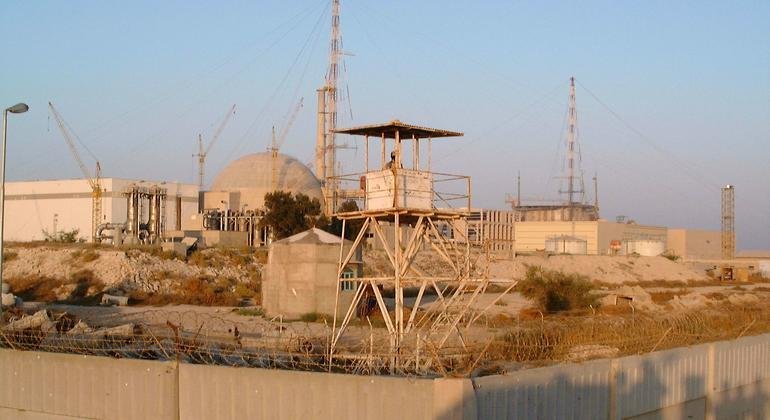
Reports of the latest attack on Iran’s nuclear facility have ignited fears of escalating hostilities in the region. Nuclear power plants require stringent safety measures and security protocols, given the catastrophic potentials of a malfunction or deliberate sabotage. Rafael Grossi’s remarks reflect a realistic apprehension among global leaders about the risks inherent in any military conflict involving nuclear facilities.
The implications of an attack on a nuclear installation extend beyond immediate damage. Potential radioactive leakage poses health risks not only to the local population but also to neighboring countries. Additionally, an attack could disrupt critical energy supplies, which are essential for the region’s economy.
IAEA’s Role in Nuclear Oversight
The International Atomic Energy Agency plays a pivotal role in monitoring nuclear programs worldwide. Established in 1957, the IAEA aims to promote peaceful uses of nuclear energy while preventing its dissemination for military purposes.
Verification Mechanisms
One of the key responsibilities of the IAEA is to employ monitoring mechanisms that verify states comply with their nuclear obligations. This includes regular inspections of nuclear sites, analyzing nuclear materials, and ensuring adherence to international treaties.
The IAEA’s ability to conduct inspections in Iran has been a contentious issue, particularly as tensions have risen. A robust and transparent inspection regime is critical not only for maintaining safety but also for building trust between Iran and the international community.
Global Responses to the Attack
The incident has sparked outrage from various countries and international organizations. Multiple nations have voiced their condemnation, calling for responsible dialogue and restraint. The U.S. and European allies have emphasized the need for diplomatic solutions to ensure that nuclear energy remains a peaceful endeavor.
Reactions from Iran
Iran has responded with a mixture of rhetoric and defiance, insisting on its right to pursue nuclear technology. The Iranian government has promised to bolster its defenses at nuclear facilities and warned that any aggression would be met with determined retaliation. This cycle of escalation raises the stakes for both regional and global security.
Implications for Nuclear Energy in the Region
The recent attack on Iran’s nuclear facility and the subsequent international outcry highlight the fragile balance between the benefits of nuclear energy and the urgent need for safety and security protocols. While nuclear power can be a key player in sustainable energy initiatives, the geopolitical ramifications can be profound.
Safety vs. Military Threats
The dilemma posed by dual-use technology—where civilian nuclear technology can also be repurposed for military objectives—creates a precarious situation. Enhanced safety measures must be accompanied by international commitments to prevent military escalation.
The Path Forward
As dialogues around nuclear proliferation continue, a multifaceted approach is essential. The IAEA must enhance its presence and capacity for monitoring nuclear facilities, not only in Iran but globally. This would include:
-
Increased Transparency: Countries with nuclear capabilities should adopt greater transparency regarding their nuclear activities to build trust among nations.
-
Strengthening the JCPOA: Reviving the JCPOA or negotiating a new agreement that addresses contemporary security concerns may provide a path toward diplomatic resolution.
-
Regional Collaboration: Countries in the Middle East should consider forming collaborative frameworks that promote shared security interests, specifically around nuclear energy usage and safety.
Conclusion
The IAEA chief’s concerns about the reported attack on Iran’s nuclear power plant underscore the complexities surrounding nuclear energy in a volatile region. The stakes are high, and the potential fallout from military confrontations involving nuclear facilities can have far-reaching consequences. To navigate this perilous landscape, the international community must prioritize dialogue, oversight, and mutual cooperation to ensure that nuclear energy serves as a force for progress rather than conflict.
SEO Optimization Considerations
For those looking to increase the visibility of content on the subject matter surrounding nuclear energy, tensions in the Middle East, and international relations, consider implementing the following SEO strategies:
- Keyword Incorporation: Use relevant keywords such as “Iran nuclear program,” “IAEA,” “nuclear safety,” and “Middle East tensions” throughout the article.
- Meta Descriptions: Create engaging meta descriptions summarizing the article’s main points to encourage clicks from search engine results pages.
- Internal Linking: Link to other pieces covering related topics, such as the history of the JCPOA or previous attacks on nuclear facilities, to keep readers engaged.
- Quality Backlinks: Aim to obtain backlinks from trusted sites discussing nuclear energy and international relations to enhance authority.
By effectively merging compelling content with SEO best practices, the article will reach a broader audience, engaging readers interested in the intricacies of nuclear diplomacy and safety.
For more details and the full reference, visit the source link below:
Read the complete article here: https://news.un.org/feed/view/en/story/2026/04/1167250