
Middle East Crisis Exposes Global Energy Fault Line: UN Urges Shift to Renewables
Introduction
The Middle East has long been known as a pivotal region in the global energy landscape, primarily due to its vast reserves of oil and natural gas. However, recent crises in the area have illuminated underlying vulnerabilities and highlighted the urgent need for a paradigm shift towards renewable energy sources. As tensions escalate, international organizations like the United Nations (UN) are calling for a transition that could reshape the future of energy consumption. This article explores the implications of the Middle East crisis on global energy markets and underscores the necessity of investing in sustainable solutions.
The Current State of the Middle East Crisis
The Middle East is currently experiencing political instability, armed conflicts, and humanitarian crises that have significant repercussions for global energy supplies. Countries like Syria, Iraq, and Yemen are embroiled in violence, while geopolitical tensions arise from confrontations between regional powers. These conditions not only strain local populations but also disrupt energy production and transportation routes, contributing to global market fluctuations.
Oil Production at Risk
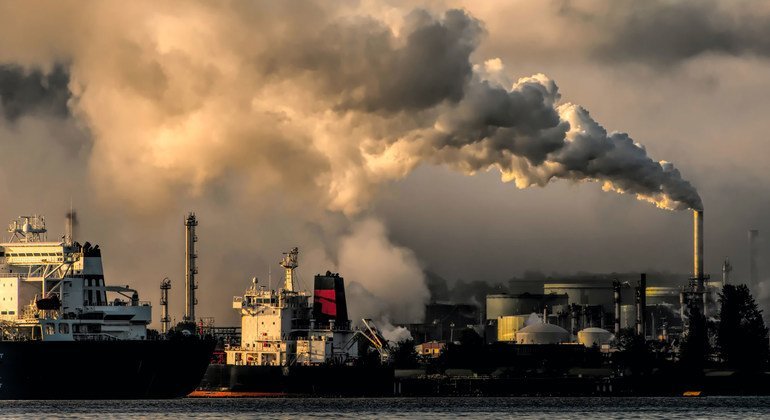
As one of the primary sources of oil, any disruptions in the Middle East can lead to skyrocketing prices on the global market. For instance, conflicts often lead to operational shutdowns in oil fields or attacks on pipelines, creating supply shortages that send shockwaves through economies dependent on fossil fuels. As a result, nations are forced to reconsider their energy strategies and seek alternatives that will mitigate risks inherited from geopolitical instability.
Natural Gas Supply and Demand
Natural gas is increasingly becoming essential for energy consumption, especially for countries looking to transition towards cleaner sources. Middle Eastern nations have been significant suppliers of liquefied natural gas (LNG). However, ongoing conflicts pose threats not only to production but also to negotiations and partnerships that are vital for global energy security. This scenario raises critical questions about the long-term sustainability of relying on fossil fuels from a volatile region.
The Role of the UN in Promoting Renewable Energy
As the global community grapples with these crises, the United Nations has stepped up to advocate for a transition to renewable energy. The organization’s Sustainable Development Goals (SDGs) emphasize the importance of affordable and clean energy for all, urging nations to invest in sustainable resources. The UN’s stance is particularly relevant in light of the challenges posed by the Middle East crisis.
Climate Change and Energy Transition
The climate crisis adds urgency to the conversation around energy sources. The UN has made it clear that the time for transition to renewables is now, as nations face the dual challenge of mitigating climate change while ensuring energy security. The reliance on fossil fuels is incompatible with the ambitions set forth in the Paris Agreement, and the UN’s message resonates especially as the Middle East crisis continues to impact global oil and gas markets.
Financial Incentives and Policy Frameworks
To facilitate this transition, the UN is advocating for financial incentives and policy frameworks that would incentivize renewable energy investments. By redirecting funds typically allocated for fossil fuel subsidies into renewable energy technologies, nations can reduce dependence on unstable energy sources and invest in sustainable solutions that benefit economies and the environment alike.
The Implications for Global Markets
Energy Price Volatility
As the Middle East crisis unfolds, governments worldwide will have to respond. Countries heavily reliant on oil imports are experiencing volatility, which can lead to economic downturns. This fragility serves as a wake-up call, pushing global policymakers to reassess their energy portfolios. The crisis underscores the benefits of diversifying energy sources and decreasing reliance on any one region for fossil fuel supplies.
Investment in Renewables
Investors are increasingly recognizing the inherent risks associated with fossil fuels, particularly from geopolitically unstable regions. This shifting mindset has led to a surge in investments in renewable energy technologies, such as solar and wind. As companies look to future-proof their operations, the trend toward sustainable investments is likely to accelerate.
Advantages of Renewables Over Fossil Fuels
Environmental Benefits
Transitioning to renewable energy not only addresses energy security but also has substantial environmental benefits. Renewable energy sources produce little to no greenhouse gas emissions, helping to combat climate change—an imperative that has gained renewed urgency in light of recent climate disasters. This dual benefit makes a compelling case for governments to invest in renewable technologies.
Energy Independence
Increased reliance on renewable energy sources can enhance national energy independence, reducing vulnerability to geopolitical crises. Countries can harness local renewable resources like wind, solar, and hydro to create a more self-sufficient energy portfolio. This shift would mitigate risks associated with international tensions and fluctuating fossil fuel prices.
Long-term Economic Benefits
Investments in renewable energy can yield long-term economic benefits as well. The renewable energy sector is job-rich, and as governments pivot towards clean energy, new employment opportunities in manufacturing, installation, and maintenance will arise. Additionally, the transition to renewables can stimulate technological innovation, leading to new industries and economic growth.
Challenges in the Shift to Renewables
Infrastructure Limitations
While the transition to renewable energy presents numerous benefits, challenges exist. Many countries lack the necessary infrastructure to support large-scale renewable energy projects. Outdated grids and insufficient transmission lines can hinder the deployment of sustainable energy sources, requiring substantial investment and planning.
Political and Economic Resistance
There is often considerable resistance to transitioning from fossil fuels due to entrenched economic interests and political landscapes. Oil and gas industries hold significant sway in many countries, making it challenging to implement policies conducive to renewable energy.
Technological Development
Renewable energy technologies continue to improve, but challenges remain regarding energy storage and efficiency. The intermittent nature of solar and wind power requires significant advancements in storage solutions to ensure reliable energy supply.
Conclusion
The Middle East crisis serves as a sobering reminder of the vulnerabilities of a fossil fuel-dependent global economy. As geopolitical tensions disrupt energy markets and exacerbate global instability, the UN’s call for a transition to renewable energy has never been more crucial. By investing in sustainable solutions, nations can secure their energy futures, combat climate change, and promote economic resilience.
The path forward may be fraught with challenges, but the potential for a cleaner, more stable, and self-sufficient energy landscape offers hope. Embracing this transition is not merely an option but a necessity for a sustainable future.
For more details and the full reference, visit the source link below:
Read the complete article here: https://news.un.org/feed/view/en/story/2026/04/1167243