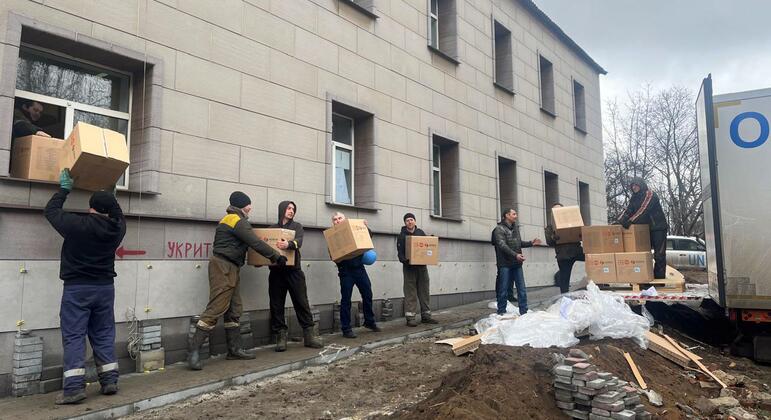

World News in Brief: Ukraine Drone Attacks, Afghan Rights, and Zero-Waste Day
Introduction
In the rapidly evolving landscape of global events, keeping up with the latest news is essential. This article provides an overview of three pressing topics: Ukraine’s ongoing drone attacks, the plight of human rights in Afghanistan, and the significance of Zero-Waste Day. Each of these subjects reflects larger global issues and contributes to shaping our understanding of today’s world.
Ukraine Drone Attacks: Escalating Tensions in Eastern Europe
The Current Situation
Ukraine has witnessed a surge in drone attacks amidst its ongoing conflict with Russia. Specific incidents highlight the strategic use of drones for reconnaissance and targeted strikes. The Ukrainian forces continue to adapt their tactics, employing increasingly sophisticated unmanned aerial vehicles (UAVs) to counteract Russian advances.
Strategic Implications
These drone operations are crucial for Ukraine’s military strategy. By utilizing drones, the Ukrainian Armed Forces can gather intelligence more efficiently and execute precision strikes with reduced risks to personnel. Moreover, the international community’s response to these drone attacks could have significant implications for the conflict’s direction.
Global Reactions
NATO allies have expressed their support for Ukraine, condemning the escalation of violence. Discussions regarding military aid, including drone technology, have intensified, aiming to bolster Ukraine’s defense capabilities. Meanwhile, Russia has criticized Western nations for exacerbating the conflict by supplying military equipment to Ukraine.
Conclusion
As drone warfare becomes increasingly prominent, understanding its implications for international relations and military strategy in Eastern Europe remains vital. Continued monitoring of these developments is essential for comprehending the shifting geopolitical landscape.
Afghan Rights: A Distressing Reality
The Ongoing Crisis
Afghanistan’s human rights situation has sharply deteriorated since the Taliban regained control in August 2021. Women and girls have been particularly affected, facing severe restrictions on education, employment, and freedom of movement. Reports indicate that many young girls are unable to attend school, dismantling years of progress toward gender equality.
International Response
The international community has vocally criticized the Taliban’s oppressive policies. Organizations such as Amnesty International and Human Rights Watch are continually documenting human rights violations and calling for accountability. However, diplomatic and economic pressures have had limited impact on the Taliban’s policies.
Grassroots Movements
Despite the oppressive regime, brave Afghan women have mobilized activism efforts advocating for their rights. These groups continue to fight for access to education and basic human rights, often at great personal risk. Their resilience and determination underscore the enduring spirit of Afghan women in the face of adversity.
The Way Forward
Global awareness is crucial in influencing the Taliban’s actions. Continued advocacy for Afghan rights, coupled with strategic humanitarian aid, could create pathways for improving the dire situation. Collaboration between global leaders, NGOs, and Afghan civil society will be essential for fostering progress.
Zero-Waste Day: Promoting Sustainability
What is Zero-Waste Day?
Zero-Waste Day, observed annually on July 11, is a global initiative aimed at promoting sustainable living and reducing waste. The objective is to inspire individuals and communities to minimize their environmental impact by adopting waste-free habits.
Importance of Zero-Waste Practices
The statistics regarding waste generation are alarming. According to the World Bank, global waste is projected to increase by 70% by 2050 if current trends continue. Transitioning to a zero-waste lifestyle helps mitigate landfill overflow, reduces carbon emissions, and contributes to a healthier planet.
Practical Tips for a Zero-Waste Lifestyle
- Refuse: Say no to single-use plastics and unnecessary packaging.
- Reduce: Cut down on consumption; buy only what you need.
- Reuse: Opt for reusable bags, bottles, and containers.
- Recycle: Participate in local recycling programs.
- Rot: Compost organic waste, enriching the soil and reducing landfill contribution.
Community Initiatives
Many communities worldwide are actively participating in Zero-Waste Day through educational workshops, clean-up events, and drives to promote sustainable practices. These initiatives not only raise awareness but also build connections among community members.
The Future of Zero-Waste Living
As more individuals adopt zero-waste principles, the movement continues to grow, urging larger corporations and governments to rethink their waste management strategies. Creating policies that encourage recycling and sustainable production will be critical in driving change.
Conclusion
The landscape of world news is ever-changing, with significant events influencing global dynamics daily. Ukraine’s drone attacks and the deteriorating human rights situation in Afghanistan underscore the urgent need for international attention and action. Meanwhile, the growing movement toward Zero-Waste Living presents an opportunity to address environmental challenges collaboratively. Staying informed on these topics not only enhances our understanding of global issues but also encourages collective advocacy for positive change.
SEO Optimization
To enhance the search engine visibility of this article, keywords such as “Ukraine drone attacks,” “Afghanistan human rights,” and “Zero-Waste Day” have been strategically incorporated. Additionally, using engaging headings and subheadings helps improve readability and user experience, essential factors for SEO success. By focusing on these relevant topics, this article aims to reach a broader audience interested in current global affairs and sustainable practices.
For more details and the full reference, visit the source link below:
Read the complete article here: https://news.un.org/feed/view/en/story/2026/03/1167221