
World News in Brief
Airstrikes Continue in Ukraine
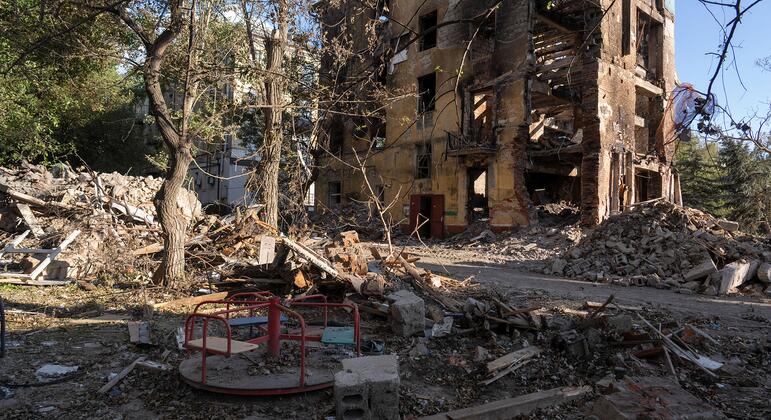
The situation in Ukraine remains volatile as airstrikes continue to escalate across various regions. The ongoing conflict, which began in 2014, has seen a significant uptick in military engagements since the onset of Russian assaults in February 2022. Cities like Kyiv, Kharkiv, and Mariupol are facing unprecedented bombardments, resulting in civilian casualties and mass displacement.
Impact on Civilians
According to the United Nations, civilian casualties have risen sharply, with thousands reported injured or killed. Hospitals and schools have become targets, complicating humanitarian efforts. Families are often forced to seek shelter in makeshift accommodations, and the icy conditions of winter have exacerbated the situation, making survival increasingly difficult.
International Response
The international community continues to voice concern over the humanitarian crisis in Ukraine. Countries in the European Union have pledged military aid, while organizations like the Red Cross are providing essential medical supplies and food. Public rallies in support of Ukraine have erupted globally, indicating a strong show of political and social solidarity. The question remains: how long can this conflict continue before a resolution is reached?
Refugees Return to the Democratic Republic of the Congo
Amid ongoing unrest in the eastern part of the Democratic Republic of the Congo (DRC), a significant number of refugees are opting to return home after years of displacement. Many of these individuals fled their homes due to violent conflicts involving various armed groups, including the M23 rebels. Recent peace initiatives and international attention may have contributed to this gradual return.
Challenges Faced by Returnees
Despite the hope inherent in this return, many refugees face substantial challenges. Basic infrastructure remains in ruins, and access to clean water and healthcare is limited. Many returnees find their homes destroyed and must navigate a fragile security landscape rife with the potential for renewed violence. Rehabilitation programs and support from non-governmental organizations (NGOs) will be essential to facilitate reintegration and ensure that basic needs are met.
International Involvement
Efforts by various humanitarian agencies to assist returnees have intensified, including the provision of food aid, medical care, and vocational training programs aimed at rebuilding livelihoods. The international community’s role will be crucial in ensuring that this trend of return continues and that the conditions in which refugees find themselves do not lead to a further cycle of displacement.
Emergency Aid for the ‘Dry Corridor’
The ‘Dry Corridor,’ stretching through Central America, is facing an impending humanitarian crisis worsened by climate change and recurrent natural disasters. Countries such as Guatemala, Honduras, and El Salvador are grappling with severe droughts, leading to food insecurity and exacerbating economic hardships.
Affected Populations
Farmers are particularly hard-hit; many depend on rain-fed agriculture and are now experiencing crop failures. Vulnerable communities are struggling to feed their families and are increasingly turning to migration as a last resort. Children are particularly affected, with malnutrition rates rising alarmingly and access to education being compromised.
International Aid Efforts
In response to the urgent needs, international organizations are mobilizing to provide emergency assistance. Food aid is being distributed, but the challenge lies in sustainable development solutions that address the root causes of food insecurity. Collaboration with local governments and NGOs is critical to ensure effective distribution and long-term recovery strategies.
Sustainable Solutions
Long-term solutions to the challenges facing the ‘Dry Corridor’ must include investment in climate-resilient agricultural practices, community education programs, and economic diversification. Governments must engage in systemic reforms to create an environment conducive to food security and economic stability.
Conclusion
In summary, the world is navigating complex crises that require urgent attention and action. The situation in Ukraine underscores the challenges of military conflict and its humanitarian impacts, while the trends of refugee return in the DRC and the struggles within the ‘Dry Corridor’ highlight the ongoing need for international cooperation and support. Staying informed and engaged with these issues is essential for promoting peace, stability, and humanitarian relief in regions facing adversity.
SEO Optimization Strategies
In writing this piece, several keywords have been strategically placed to enhance search engine optimization (SEO). Keywords such as “Ukraine airstrikes,” “refugees DRC,” and “Dry Corridor emergency aid” can help increase visibility online.
Additionally, using relevant headers and subheaders makes it easier for readers and search engines to navigate the content. Including internal and external links to reputable sources can further improve the SEO ranking and credibility of the article.
By focusing on these topics, and employing effective SEO strategies, the content aims to reach a broader audience interested in current world events and humanitarian issues.
For more details and the full reference, visit the source link below:
Read the complete article here: https://news.un.org/feed/view/en/story/2026/03/1167193