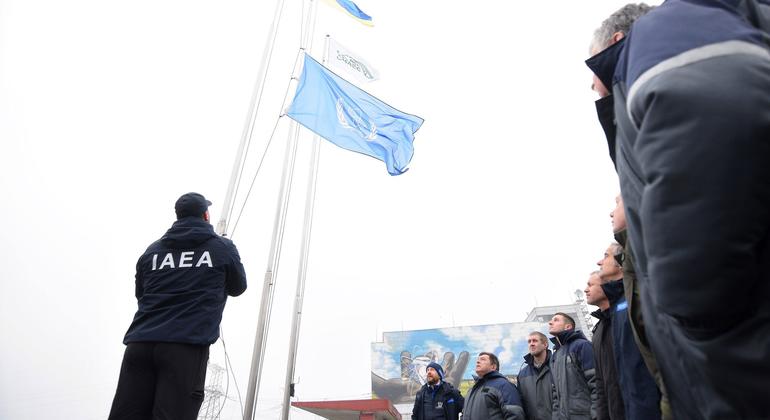

Ukraine War Keeps Nuclear Safety on a Knife-Edge: UN Watchdog Warns
Introduction
The ongoing conflict in Ukraine has escalated concerns about nuclear safety, with the UN’s International Atomic Energy Agency (IAEA) issuing alarming warnings. The war, which began in February 2022, has not only wrought havoc on the nation but also put its nuclear facilities at risk. This article explores the nuclear safety concerns arising from the Ukraine war, the implications of the situation, and the role of international bodies in mitigating these risks.
The Nuclear Landscape in Ukraine
Historical Context
Ukraine is home to several significant nuclear facilities, including the Chernobyl site and the Zaporizhzhia Nuclear Power Plant (ZNPP). Historically, the Chernobyl disaster in 1986 exposed the severe repercussions of nuclear accidents, making Ukraine’s nuclear infrastructure a focal point of international concern.
Key Nuclear Facilities at Risk
-
Zaporizhzhia Nuclear Power Plant (ZNPP):
- The largest nuclear power plant in Europe, ZNPP has been under Russian occupation since early in the conflict, raising alarms about its operational safety and security.
-
Chernobyl Exclusion Zone:
- Following the recent conflict, the Chernobyl site has remained a strategic point of interest, with military activities posing risks of disturbances and further contamination.
UN Watchdog’s Concerns
Safety Risks
The IAEA has highlighted multiple safety risks that have emerged due to the ongoing military activities around these nuclear facilities:
- Shelling and Military Engagement: Heavy artillery and aerial bombardments near or on nuclear sites could lead to catastrophic accidents.
- Power Supply Interruptions: Frequent disruptions to external power supplies have jeopardized monitoring and cooling systems crucial for nuclear safety.
- Staffing Issues: The presence of military personnel at nuclear sites has created an environment of intimidation, leading to operational challenges and staff shortages.
Inadequate Emergency Preparedness
The IAEA also expressed concerns regarding inadequate emergency preparedness. In the event of a nuclear incident, the ability to respond quickly could be compromised due to the ongoing war conditions.
International Responses
Global Call for Action
With the nuclear landscape in a tumultuous state, global authorities have made calls for immediate action to ensure safety protocols are adhered to:
- Diplomatic Efforts: Engaging in dialogue between Ukraine and Russia to establish demilitarized zones around nuclear power plants is a key strategy in preventing incidents.
- IAEA Monitoring: Increased presence and monitoring by the IAEA to ensure compliance with nuclear safety standards.
- International Collaboration: Forming coalitions among nations to share resources and expertise may strengthen nuclear safety measures in Ukraine.
The Role of Neighboring Countries
Countries surrounding Ukraine, especially those in the EU, have begun reassessing their nuclear safety protocols as a precautionary measure. This includes:
- Increased surveillance of their nuclear plants.
- Public information campaigns aimed at educating citizens about potential risks and safety measures.
The Broader Implications
Environmental Concerns
A nuclear disaster in Ukraine could have far-reaching environmental implications. A release of radioactive materials could contaminate air, soil, and water supplies not just within Ukraine, but across Europe, making it a continental issue.
Political Ramifications
The geopolitical landscape could shift dramatically should a nuclear incident occur. It may exacerbate tensions between NATO and Russia, leading to broader military conflicts and sanctions.
Economic Impact
The war, coupled with potential nuclear incidents, has already hit Ukraine’s economy hard. A nuclear disaster would further deter investment and could result in long-term economic repercussions for the region, impacting global markets reliant on Ukrainian exports.
Conclusion
As the conflict in Ukraine continues, the risks associated with nuclear safety remain at the forefront of global concern. The IAEA’s warnings highlight the urgency of immediate and coordinated action to mitigate these risks. Without timely intervention, the potential for a nuclear disaster in Ukraine could escalate, leading to catastrophic consequences for not just the region, but the entire world. Collaboration among international entities and local authorities is critical in safeguarding against a future that remains precariously perched on a knife-edge.
How You Can Help
Stay Informed
Keeping yourself updated on the developments around nuclear safety and the Ukraine war can make a difference. Knowledge empowers citizens and leaders alike to push for accountability and safety.
Advocate for Peace
Engaging in advocacy for peace initiatives and diplomatic efforts can contribute to de-escalating the conflict. Organizations focused on nuclear disarmament and safety need support to amplify their efforts.
Support Global Partnerships
Encouraging your government representatives to support international partnerships for nuclear safety can help foster a safer global environment. Every action counts, from local to international efforts.
By promoting awareness and meaningful action, we can work together towards a world where nuclear safety is no longer on a knife-edge.
For more details and the full reference, visit the source link below:
Read the complete article here: https://news.un.org/feed/view/en/story/2026/02/1166914