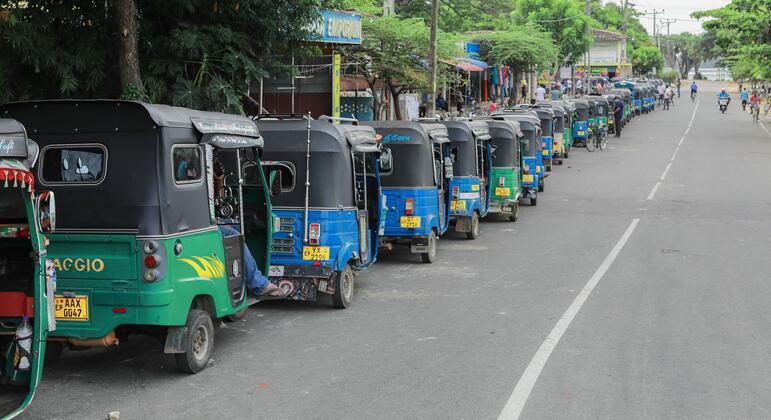

Middle East War Shockwaves Ripple Through Asia-Pacific: Fuel and Supply Chains
Introduction
The ongoing conflicts in the Middle East have far-reaching implications that extend well beyond the region. As tensions escalate, the Asia-Pacific region finds itself grappling with the intertwined effects on fuel supplies and essential supply chains. This article delves into how the war in the Middle East is impacting Asia-Pacific economies, the ripple effects on fuel prices, and the broader implications for global trade.
The Geopolitical Landscape of the Middle East
The Middle East has long been a focal point for global geopolitics, primarily due to its vast energy resources and strategic trade routes. Ongoing conflicts can destabilize these vital resources, leading to fluctuations that resonate globally.
Key Conflicts Influencing Dynamics
Recent escalations in conflicts, particularly between nations like Iran and Israel, have triggered a chain reaction affecting the global marketplace. The Asia-Pacific region, heavily reliant on Middle Eastern oil, faces critical challenges that could alter its economic trajectory.
The Vital Role of Asia-Pacific in Global Trade
The Asia-Pacific region is home to emerging economies, major consumers, and a significant portion of global trade. Countries like China, Japan, and India have interwoven their growth trajectories with imports of oil and raw materials from the Middle East. Disruptions in these supplies are a concern not only for energy security but also for overall economic stability.
Economic Interdependence
The interdependence of the Asia-Pacific economies on the Middle East cannot be overstated. For instance, countries like Japan and South Korea derive a significant portion of their energy from Middle Eastern oil imports. As prices fluctuate due to geopolitical tensions, these nations face economic repercussions, including inflation and constrained economic growth.
Fuel Supply Chains: The Immediate Impact
The immediate ripple effects of conflict in the Middle East are most apparent in fuel supply chains. Any disruption in oil production or transport can escalate prices and influence economic conditions across Asia-Pacific countries.
Price Volatility
With oil prices determined by global supply and demand, conflicts often lead to sudden spikes in prices. The most vulnerable economies in the Asia-Pacific region face hardships as consumer prices rise, signifying a potential economic slowdown.
Case Study: Japan’s Energy Struggles
Japan, the largest LNG importer in the world, is acutely affected by Middle Eastern conflicts. A significant spike in energy prices can severely impact its manufacturing sector, leading to higher consumer prices and decreased competitiveness in global markets.
Supply Chain Disruptions: The Broader Picture
While fuel prices take the spotlight, the war in the Middle East also disrupts various supply chains that are critical for manufacturing and trade in the Asia-Pacific region.
The Industrial Supply Chain
The Asia-Pacific region is integral to the global supply chain, providing components for electronics, automotive, healthcare, and other industries. As conflicts disrupt production and shipping routes in the Middle East, industries reliant on these components face logistical nightmares.
Examples of Affected Industries
-
Electronics: The tech sector, particularly in countries like Taiwan and South Korea, relies on specific minerals and materials often sourced from the Middle East. Disruptions can lead to production delays and increased costs, affecting global launches and innovation.
-
Automotive: The automotive industry is particularly exposed to supply chain difficulties. Parts manufactured in the Middle East might get delayed due to port blockages or shipping disruptions, leading to operational halts in assembly lines across Asia.
Long-term Implications for Trade Relations
The conflicts in the Middle East not only affect immediate fuel and supply chains but also have long-term consequences for trade relations in the Asia-Pacific region.
Shift in Trade Routes
As geopolitical tensions rise, nations may reconsider their trade routes, sourcing options, or even partners. Countries might seek to diversify their supplier base or increase domestic production capabilities to mitigate risks associated with reliance on energy and raw materials from conflict-prone regions.
Example of Diversification
Countries like India are ramping up their efforts to establish stronger trade ties with Southeast Asian nations, looking to create a more resilient supply chain network that reduces dependency on Middle Eastern imports.
The Rise of Renewable Energy
The escalating conflict has spurred discussions around energy independence and the transition to renewable energy sources. Nations in the Asia-Pacific region are starting to invest heavily in alternative energy projects, signaling a potential shift in energy consumption patterns.
Solar and Wind Investments
Countries like Australia and India are expanding their investments in solar and wind energy, aiming to decrease reliance on fossil fuels from the Middle East. This shift could redefine energy exports and imports in the region over the next few decades.
Future Prospects and Conclusion
The ongoing conflicts in the Middle East will likely continue to affect global fuel and supply chains, with significant ramifications for the Asia-Pacific region. As nations navigate these turbulent waters, a delicate balance must be struck between ensuring energy security and managing economic stability.
Preparing for Uncertainty
Policy-makers and businesses must devise strategies to adapt to rapid changes. This includes investing in technology, diversifying supply chains, and considering renewable energy alternatives.
Final Thoughts
The Asia-Pacific region stands at a crossroads; it can either adapt and find innovative solutions or succumb to the pressures of geopolitical instability. With the Middle East serving as a critical barometer for global trade, the ripples of its conflicts will impact economies far and wide. The resilience of the Asia-Pacific economies will depend on their ability to navigate these challenges while seizing opportunities for growth and diversification.
In summary, monitoring the geopolitical landscape is crucial for understanding the implications of Middle Eastern conflicts on fuel and supply chains in the Asia-Pacific region. This ongoing dialogue will play a significant role in shaping the future economic landscape.
For more details and the full reference, visit the source link below:
Read the complete article here: https://news.un.org/feed/view/en/story/2026/03/1167167