
Middle East War Risks Undermining Syria’s Fragile Recovery
Introduction
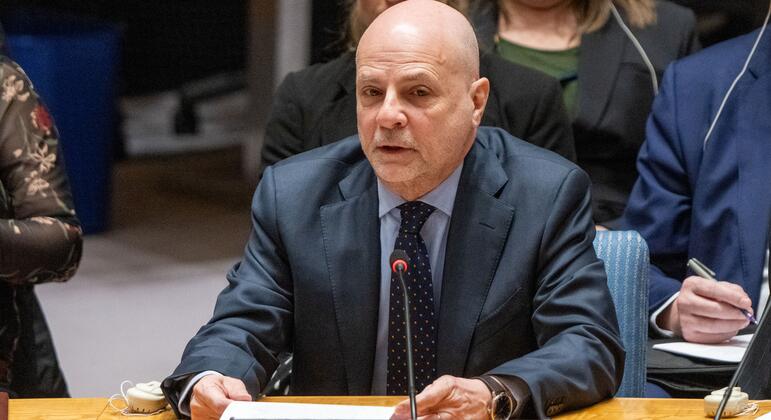
The ongoing conflicts in the Middle East have created a plethora of humanitarian, economic, and security challenges, particularly for Syria. As the country struggles to recover from an extended civil war, the risks posed by regional conflicts can derail its fragile recovery. The United Nations Security Council has raised concerns regarding these developments, underscoring a complex landscape defined by international interventions, local instability, and humanitarian crises.
Background: Syria’s Civil War and its Aftermath
Historical Context
Syria’s civil war began in 2011, leading to widespread devastation, displacement of millions, and breakdown of essential services. Cities that were once thriving are now reduced to ruins, and the country’s infrastructure is in urgent need of repair.
Current State of Recovery
Despite the challenges, some areas in Syria have shown signs of recovery. Local economies are gradually rebuilding, and returnees are slowly making their way back home. However, this fragile recovery is constantly threatened by both internal divisions and external conflicts.
Regional Conflict Dynamics
Ongoing Conflicts Affecting Syria
One of the primary risks to Syria’s recovery is the ongoing war in neighboring countries, particularly in Iraq and Lebanon. These conflicts create a spillover effect that directly impacts Syria’s stability.
International Military Presence
The presence of multiple foreign military forces in the region complicates Syria’s recovery. Each power has its own agenda, often leading to clashes and heightened tensions. This military interference dilutes local governance and undermines any attempts at rebuilding a cohesive state.
Security Council’s Concerns
Humanitarian Crisis
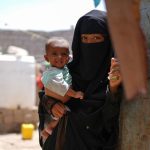
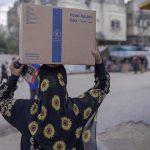
The UN Security Council has expressed alarming concerns regarding the humanitarian crisis in Syria. The ongoing conflicts in the region exacerbate issues related to food insecurity, health care, and access to education. Over 14 million Syrians are in need of assistance, and any regional instability only intensifies these needs.
Political Solutions
Another area of concern for the Security Council is the lack of a coordinated political solution to the Syrian conflict. Without a unified political framework, recovery efforts risk stagnating or even reversing, plunging the country back into chaos.
Economic Implications
Foreign Investments
Syria’s fragile recovery is further threatened by the lack of foreign investment due to ongoing instability. Investors are hesitant to commit resources in a region that is marked by violence and uncertainty.
Local Economic Initiatives
Local initiatives that aim to stimulate economic recovery are often hampered by security concerns. Business owners are forced to make difficult decisions, often putting their lives and investments at risk.
Societal Implications
Displacement and Migration
The fear of renewed violence drives many Syrians to flee, either internally or across borders. These movements complicate recovery efforts as communities are fragmented, and resources are stretched thin.
Community Resilience
While many Syrians are attempting to rebuild their lives, factors such as low trust in governmental institutions and ongoing fears of violence undermine community resilience. Efforts to promote social cohesion are essential but challenging given the environment of fear and distrust.
The Role of International Organizations
Humanitarian Aid
International organizations play a crucial role in addressing the humanitarian needs of the Syrian population. However, funding is often insufficient, and access to affected areas remains a challenge due to security risks.
Mediation Efforts
Efforts by international bodies to mediate between conflicting parties have shown mixed results. Genuine dialogue is essential for achieving a lasting peace, yet the involvement of external powers often complicates these negotiations.
Path Forward: Recommendations for Stability
Comprehensive Peace Framework
The establishment of a comprehensive peace framework is essential. The Security Council must work to facilitate dialogues among conflicting parties to promote stability.
Strengthening Local Governance
Strengthening local governance structures can empower communities and support recovery efforts. When communities have agency, they are more likely to invest time and resources into rebuilding.
Promote Economic Development
International support should focus on stimulating local economies. Small business development and job creation can provide immediate relief and long-term stability.
Conclusion
Syria’s fragile recovery is a delicate balancing act, profoundly influenced by regional conflicts and international interventions. The UN Security Council must prioritize coordinated efforts to address both immediate humanitarian needs and the systemic issues driving conflict in the region. A commitment to a comprehensive peace framework and the support of local governance and economic development will be vital in steering Syria towards a sustainable recovery. Without these efforts, the risks of renewed violence and instability may doom the nation’s already precarious future.
This SEO-optimized content utilizes relevant keywords and phrases related to the situation in Syria, ensuring increased visibility in search engines while also maintaining a cohesive narrative suitable for audience engagement.
For more details and the full reference, visit the source link below:
Read the complete article here: https://news.un.org/feed/view/en/story/2026/03/1167155