
Middle East War Risks Pushing 45 Million More People into Acute Hunger
The ongoing conflicts in the Middle East have devastating implications, not only for those directly involved but also for millions around the globe. As tensions escalate, humanitarian crises deepen, with an alarming forecast suggesting that an additional 45 million people may slide into acute hunger. This article explores the causes and implications of this escalating crisis, its global ramifications, and what can be done to mitigate its effects.
Understanding the Current Conflicts in the Middle East
The Complex Landscape of War
The Middle East has been a hotspot for conflict for decades, with geopolitical tensions, sectarian violence, and economic instability driving wars in countries like Syria, Yemen, and Iraq. Each conflict has unique causes but shares common threads, such as the struggle for power, religious divides, and interference from external powers.
A Humanitarian Crisis
As wars rage, the direct and collateral damage impacts food security. Cities are bombed, farms destroyed, and supply chains disrupted. Millions are displaced from their homes, leaving them without access to basic necessities, including food.
The Hunger Crisis: A Closer Look
Rising Numbers of Food Insecurity
According to the United Nations, around 811 million people globally were already suffering from hunger in 2020. This figure is projected to rise dramatically due to the conflicts in the Middle East. An estimated 45 million additional individuals may find themselves facing acute hunger as a direct result of ongoing warfare and its associated fallout.
The Economic Fallout of War
Wars lead to significant economic downturns, which can decimate local agriculture and disrupt trade. Many regions that depend on food imports face soaring prices, making it increasingly difficult for families to afford basic food supplies. Inflation and currency devaluation compound these problems, forcing people to make impossible choices between food, healthcare, and education.
Major Factors Contributing to Acute Hunger
Displacement and Migration
The conflict has resulted in millions of refugees and internally displaced persons. Displacement interrupts people’s livelihoods and can lead to overcrowded living conditions, further exacerbating issues of food insecurity. Refugees often settle in areas with limited resources, putting additional strain on local communities.
Agricultural Disruption
Agriculture is often one of the first sectors to be impacted in wartime. Land mines, bombings, and destruction of infrastructure directly affect farms, leading to reduced agricultural output. Additionally, many farmers are relocated or conscripted into warfare, leaving fields untended.
Global Ramifications: The Ripple Effect of Hunger
Regional Instability
Widespread hunger often leads to instability, which can create further tensions in neighboring countries. As people migrate seeking food and safety, host nations may feel overwhelmed, leading to conflicts over resources and social unrest.
Impact on Global Food Prices
The Middle East has traditionally been a significant supplier of food to various parts of the world. Conflicts disrupt this supply, leading to fluctuations in global food prices. Countries that rely on imported food will experience price hikes, which could push more people into hunger globally.
Addressing the Crisis: Solutions and Interventions
Humanitarian Aid
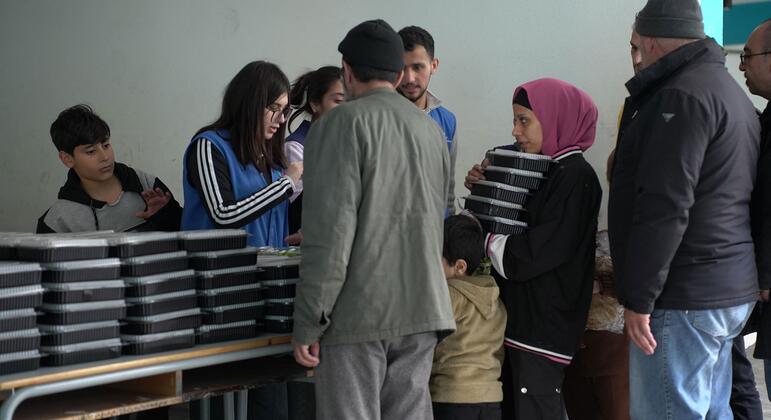
Immediate humanitarian response is essential. Organizations like the World Food Programme (WFP) are critical to alleviating hunger through food distribution, financial assistance, and agricultural support. Increased funding is needed to scale up these efforts to serve the millions who require urgent assistance.
Political Solutions
Long-term solutions require political stability and peace negotiations. International stakeholders must advocate for dialogue among conflicting parties to establish ceasefires and pathways to reconstruction. Diplomacy can help create the conditions for humanitarian aid to reach those in need.
Sustainable Agricultural Practices
Supporting local food production through sustainable agricultural practices can help rebuild communities. Investing in agricultural technology and education can empower local farmers and facilitate food security in the long run.
The Role of International Community
Global Responsibility
The international community bears a responsibility to assist those affected by war. This includes not only humanitarian aid but also the implementation of policies that address the root causes of conflict. Advocacy for human rights and the provision of safe havens for displaced people are crucial steps toward alleviating the hunger crisis.
Raising Awareness
Awareness campaigns can help mobilize public support for humanitarian initiatives. Increased visibility can pressure governments to act and allocate resources towards mitigating hunger in war-torn regions.
Conclusion: A Call to Action
The potential to push 45 million more people into acute hunger due to conflicts in the Middle East is a stark reminder of the interconnectedness of global issues. It calls for an urgent and comprehensive approach to address not only immediate food needs but also the underlying societal fractures that fuel these conflicts. Only through a cohesive effort involving humanitarian aid, diplomatic negotiations, and sustainable development can we hope to mitigate the dire consequences of war on hunger and ensure a future where everyone has access to food.
By understanding the complexities of this crisis and committing to proactive solutions, we can work together to reduce hunger and foster a more stable, peaceful world.
For more details and the full reference, visit the source link below:
Read the complete article here: https://news.un.org/feed/view/en/story/2026/03/1167147