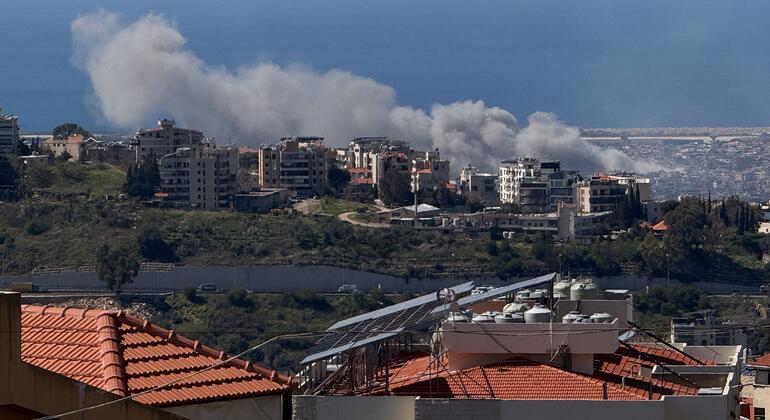

Middle East War’s ‘Spiral of Conflict’ Drives Mounting Civilian Toll
Introduction
The Middle East is marred by a seemingly endless cycle of conflict that has resulted in devastating consequences for civilian populations. The term “spiral of conflict” aptly describes how tensions escalate, leading to violence that disproportionately affects innocent men, women, and children. This article will explore the factors contributing to this cycle, examine the humanitarian toll, and discuss potential solutions for peace.
Historical Context of the Middle East Conflict
The history of the Middle East is complex, filled with colonial legacies, religious tensions, and geopolitical rivalries. Post-World War I territorial divisions laid the groundwork for modern-day conflicts. The emergence of nation-states, coupled with ethnic and religious diversity, has fueled disputes. Notably, the Israeli-Palestinian conflict, Syrian civil war, and conflicts involving various factions, including ISIS and Al-Qaeda, have perpetuated instability.
Drivers of the Spiral of Conflict
Political Instability
Political corruption and authoritarian regimes have contributed to discontent among citizens. Governments often resort to oppression to maintain power, leading to uprisings and civil wars. The Arab Spring, which began in 2010, is a critical example where citizens demanded reforms, leading to violent crackdowns and further conflict.
Sectarian Divisions
The Middle East’s diverse religious landscape has often become a flashpoint for violence. Sunni-Shia divides, particularly evident in Iraq and Syria, have led to bloody confrontations. Extremist groups exploit these divisions, driving communities further apart and perpetuating cycles of revenge and retaliation.
Geopolitical Interests
International interests, especially from the United States, Russia, and regional powers like Iran and Saudi Arabia, complicate conflicts. Proxy wars, where these powers support different factions, exacerbate violence and prolong wars, making peace less attainable.
The Humanitarian Toll of Conflict
Civilian Casualties
Wars in the Middle East have resulted in staggering losses of civilian life. In countries like Syria and Yemen, estimates suggest hundreds of thousands have perished due to conflict-related violence. Airstrikes, ground battles, and the use of indiscriminate weapons often lead to the tragic deaths of non-combatants.
Displacement and Refugee Crisis
Conflict has also led to one of the largest refugee crises in modern history. Millions have been displaced from their homes, seeking refuge in neighboring countries or even further afield. The strain on resources in host countries often leads to increased tensions and, in some cases, escalates local conflicts.
Access to Basic Needs
War significantly hampers access to essential services such as healthcare, education, and clean water. Hospitals become targets in conflicts, and medical supplies dwindle, leaving civilians to suffer from untreated illnesses and injuries. Education systems collapse, robbing future generations of opportunities.
The Psychological Impact on Civilians
The psychological toll of sustained conflict is profound. High levels of trauma, depression, and anxiety are prevalent among affected populations. Children, in particular, face severe emotional and psychological challenges, which can span generations if not adequately addressed.
Addressing the Spiral of Conflict: Paths to Peace
International Diplomacy
Increased international diplomatic efforts are essential to breaking the cycle of violence. Neutral mediation and dialogue between conflicting parties can pave the way for negotiated settlements. Engaging regional powers in constructive dialogue could also help de-escalate tensions.
Local Peace Initiatives
Grassroots efforts can be effective in rebuilding communities. Initiatives that promote reconciliation and coexistence among different groups can address the underlying social and ethnic rifts that fuel these conflicts. Support for local peacebuilding organizations is crucial for fostering dialogue at the community level.
Humanitarian Aid
Robust humanitarian efforts are necessary to alleviate immediate suffering. Providing food, medical care, and shelter can save lives and serve as a foundation for long-term recovery. Organizations must prioritize access to humanitarian aid, ensuring it reaches those most in need.
Educational Programs
Investing in education, especially amidst conflict, can lay the groundwork for future stability. Programs that promote tolerance, peace education, and vocational training can empower younger generations, steering them away from violence and towards constructive contributions to society.
Conclusion
The “spiral of conflict” in the Middle East has created a catastrophic humanitarian situation, with civilians bearing the brunt of wars fueled by political instability, sectarian divides, and geopolitical interests. Addressing the multifaceted nature of these conflicts requires concerted efforts on multiple fronts — diplomacy, grassroots initiatives, humanitarian aid, and education. Only through such comprehensive strategies can the cycle of violence be broken, fostering a future where peace and stability can finally be realized.
For more details and the full reference, visit the source link below:
Read the complete article here: https://news.un.org/feed/view/en/story/2026/03/1167138

