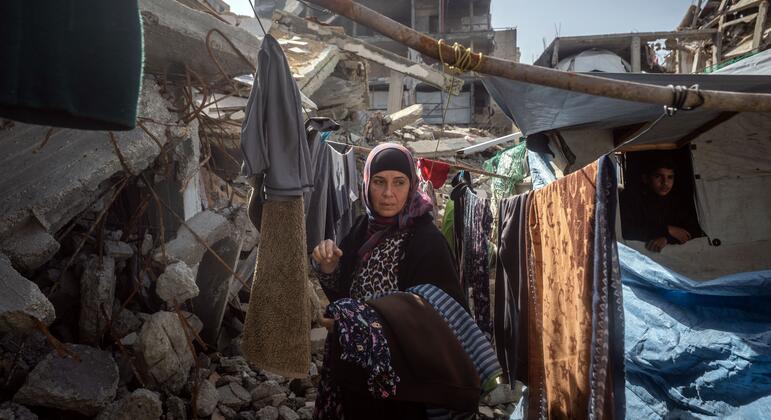

UN Relief Chief Condemns ‘$1 Billion-a-Day’ Cost of War in the Middle East
Introduction
The ongoing conflicts in the Middle East have escalated into a humanitarian crisis of unprecedented proportions. The recent statement by the UN Relief Chief highlighting the staggering cost of war—$1 billion per day—has raised alarms about the urgent need for peace and humanitarian assistance in the region. This article delves into the implications of this staggering figure, the humanitarian consequences, and the calls for a more peaceful resolution to the conflict.
Understanding the $1 Billion-a-Day Figure
Breakdown of Costs
The $1 billion-a-day estimate comprises a multitude of expenses, including military operations, humanitarian aid, and the economic impact of war on nations involved. Military spending largely consumes resources, which could otherwise be allocated to health, education, and infrastructure development. The ongoing conflict strains local economies, contributes to inflated prices, and increases poverty levels, making it a cycle of devastation.
Historical Context
The Middle East has been a hotspot for conflicts for decades, marked by political instability, ethnic tensions, and territorial disputes. Wars, such as those in Syria, Yemen, and Israel-Palestine, have necessitated enormous financial costs, not just for the governments involved, but also for international response efforts. The financial burden is borne not only by the nations in conflict but also by international agencies and donor countries trying to provide humanitarian relief.
Humanitarian Crisis: A Direct Consequence
Displacement and Refugee Crisis
One of the most immediate human rights impacts of the ongoing conflicts is the displacement of millions. Over 13 million people have fled their homes in Syria alone, seeking refuge in neighboring countries or risking perilous journeys toward Europe. According to UN reports, the refugee crisis strains both host countries and international humanitarian organizations, further increasing the need for funding and resources.
Health and Nutrition
The financial implications of war also extend to public health and nutrition. Diseases such as cholera and COVID-19 are rampant in refugee camps and war-torn regions. Access to healthcare is minimal, exacerbated by the need for resources that are otherwise diverted to military expenditures. Malnutrition rates have soared, leading to severe health crises among vulnerable populations, particularly children.
Education Disruption
Education is another sector heavily impacted by conflict. Schools often become makeshift shelters, or they are destroyed altogether. The psychological toll on children, who grow up in war-torn areas without access to education, can have long-lasting effects on social cohesion and development. Investing in education is crucial for rebuilding communities in the future, but it remains underfunded in many conflict zones.
International Response and Responsibilities
Funding Shortages
The UN Relief Chief’s condemnation of the $1 billion-a-day cost serves as a clarion call for increased international responsibility. Current funding levels for humanitarian aid are woefully inadequate, often overshadowed by military funding globally. A shift in priorities from military intervention to human welfare is essential for addressing the root causes of conflict.
Role of Donor Countries
Countries that contribute to international aid must reconsider their approaches. Sustained funding and long-term strategies are necessary for rebuilding communities, providing healthcare, and fostering educational opportunities. It is not just a matter of immediate relief; a commitment to peace-building and long-term development is vital.
Diplomatic Efforts
The international community’s role in fostering peace cannot be understated. Diplomatic interventions through dialogues and negotiations are vital in addressing the root causes of conflicts in the Middle East. Effective diplomacy can pave the way for ceasefires and peace agreements that go beyond temporary solutions.
The Cost of Inaction
Continuing the Cycle of Violence
The financial and humanitarian dimensions of war are not isolated; they are interconnected. Each day that conflict continues, the costs rise exponentially. The cycle of violence perpetuates itself, leading to more conflicts, requiring more humanitarian aid, and consuming more resources. If the trend of prioritizing military expenditure continues, the repercussions will be felt for generations.
Sustainable Development Goals
The humanitarian crisis in the Middle East also threatens the achievement of the United Nations Sustainable Development Goals (SDGs). With millions living in poverty and lacking basic services, targets related to poverty alleviation, quality education, and good health are increasingly out of reach. A focus on humanitarian relief and peace can help the region align with these global goals.
Conclusion
The UN Relief Chief’s alarming statement about the ‘$1 billion-a-day’ cost of war calls for urgent action and a reevaluation of priorities. As humanitarian needs escalate, the international community must respond decisively, shifting focus from military expenditure to humanitarian relief. Working toward sustainable solutions and peace will not only alleviate the current crises but pave the way for a more stable and prosperous Middle East.
Call to Action
This is a critical time. Stakeholders at all levels—from local communities to world leaders—must unite to prioritize humanitarian efforts over militaristic ones. Join the call for peace and support organizations committed to improving the lives of those affected by conflict. It’s time to put humanity above all else.
For more details and the full reference, visit the source link below:
Read the complete article here: https://news.un.org/feed/view/en/story/2026/03/1167116

