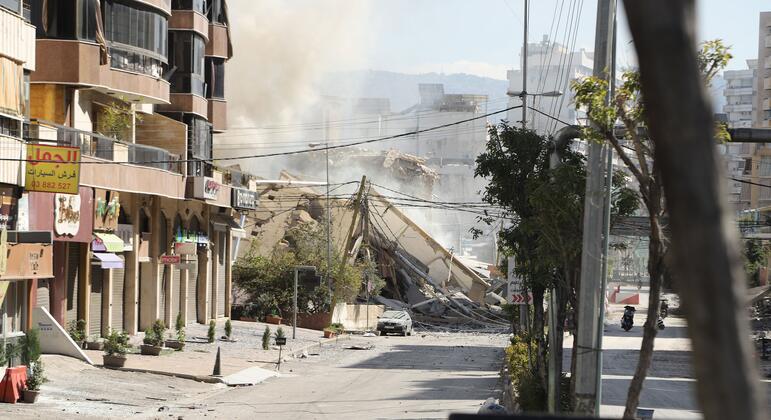

Middle East Live: 12 March – Shipping Attacks, Rising Oil Prices, and Widening Humanitarian Crisis
As of March 12, significant developments in the Middle East highlight escalating tensions, particularly concerning shipping, oil prices, and a deepening humanitarian crisis. This article delves into the latest news, offering insights into these pivotal issues impacting global markets and regional stability.
Recent Shipping Attacks in the Middle East
An Escalation of Maritime Tensions
In recent weeks, the Gulf waters have witnessed a series of attacks on shipping vessels, raising alarms among international shipping companies and governments. Reports suggest that these incidents have primarily targeted oil tankers and cargo ships, aiming to disrupt global supply chains and exert political pressure.
Suspected Perpetrators
While no group has officially taken responsibility, analysts speculate that state-sponsored actors or militant factions in the region may be behind these attacks. Such incidents not only threaten maritime trade but also pose risks to crew members and the environment, raising pressing concerns for international stakeholders.
Impact on Global Trade
Shipping routes in the Middle East are critical for global trade, particularly for oil and gas supplies. Any disruption to these routes can have cascading effects, leading to shortages and increased prices across various markets. As these attacks continue, industry leaders are urged to reassess their security protocols and consider contingency plans.
Rising Oil Prices: A Market in Turmoil
Recent Price Surge
In conjunction with the shipping attacks, oil prices have surged significantly, causing market analysts to raise their forecasts. As of March 12, crude oil prices have reached multi-year highs, driven by fears of supply disruptions and geopolitical instability.
Factors Influencing Oil Prices
The rise in oil prices can be attributed to several interrelated factors:
-
Geopolitical Instability: The conflict in the region is a primary driver of uncertainty. Any escalation can lead to further sanctions or retaliatory measures, tightening the supply.
-
Demand Recovery: As global economies recover from the pandemic, the demand for oil has surged, further exacerbating the supply-demand imbalance.
-
OPEC Decisions: Recent meetings by the Organization of the Petroleum Exporting Countries (OPEC) to manage production levels have also played a role in price stabilization, despite calls for increased output to meet rising demand.
Economic Implications
The rising oil prices have significant implications for consumers and businesses worldwide. Transportation and manufacturing costs are expected to rise, which could lead to increased inflation rates. Countries heavily reliant on oil imports may experience economic strain, leading to potential socio-political unrest.
The Widening Humanitarian Crisis
An Overview of the Humanitarian Situation
While geopolitical tensions and rising oil prices dominate headlines, the humanitarian crisis in the Middle East continues to escalate, overshadowed by these issues. According to various reports, millions of people are in dire need of assistance due to prolonged conflicts, displacement, and poverty.
Key Areas of Concern
-
Syria: Over a decade of civil war has led to massive displacement, with millions of Syrians seeking refuge in neighboring countries. The situation worsens as humanitarian aid faces significant restrictions and funding shortages.
-
Yemen: The ongoing conflict in Yemen has created one of the world’s worst humanitarian crises. With widespread famine and illness, the population faces dire conditions, while international attention remains fixated on other regional issues.
-
Palestine: Socio-economic conditions in Gaza and the West Bank continue to deteriorate as political tensions remain high. Access to basic services—including healthcare, education, and clean water—has become increasingly limited.
International Response
Despite the severity of the humanitarian situation, international response efforts are often hampered by shifting political priorities and a lack of funding. Humanitarian organizations appeal for greater global cooperation and support to alleviate suffering in these conflict zones.
The Intersection of Oil and Humanitarian Issues
How Oil Shortages Impact Humanitarian Aid
The rising oil prices not only affect economic stability but also hinder humanitarian efforts. Aid organizations often rely on fuel to transport supplies and facilitate operations in affected areas. Increased fuel costs can limit their capacity to respond efficiently, exacerbating the existing crisis.
Seeking Sustainable Solutions
There is a growing call for sustainable energy solutions that can help mitigate the reliance on oil and provide more stable funding for humanitarian operations. Investing in renewable energy sources will not only contribute to global efforts against climate change but also enable a more resilient humanitarian response in the Middle East.
Conclusion: A Complex Web of Challenges
The situation in the Middle East remains fraught with complexities, with shipping attacks, rising oil prices, and a worsening humanitarian crisis interlinked. As political and economic factors continue to evolve, the global community must remain vigilant and responsive to these issues. Addressing the underlying causes of conflict, investing in sustainable solutions, and enhancing humanitarian efforts are crucial steps to foster stability in the region.
As we monitor developments in the Middle East, the hope remains that diplomatic solutions can be reached, allowing for peace and stability to prevail. A comprehensive approach, considering humanitarian needs alongside economic factors, will be essential for a better future for the people in the region.
By shedding light on these urgent matters, we can foster a more informed dialogue regarding the Middle East’s multifaceted challenges and the collective responsibility we share in addressing them.
For more details and the full reference, visit the source link below:
Read the complete article here: https://news.un.org/feed/view/en/story/2026/03/1167118