
World News in Brief: Myanmar Airstrikes Worsen Crisis, South Sudan Fighting Threatens Akobo, Afghan Women Shut Out of Justice
Introduction
In a world increasingly shaped by conflict and humanitarian crises, recent developments in Myanmar, South Sudan, and Afghanistan are drawing urgent attention. These stories highlight the dire situations faced by civilians and the implications for regional stability and international response. This article will delve into the ongoing issues in each of these countries, focusing on recent airstrikes in Myanmar, fighting in South Sudan, and the justice system’s failures in Afghanistan, specifically concerning women.
Myanmar Airstrikes Worsen Crisis
Background of the Conflict
Myanmar has been embroiled in conflict since the military coup in February 2021 that ousted the democratically elected government of Aung San Suu Kyi. The military, known as the Tatmadaw, has faced increasing resistance from various ethnic armed groups and civil society organizations. Ongoing airstrikes by the military have exacerbated the humanitarian crisis in the country.
Recent Developments
In recent weeks, airstrikes have intensified in regions such as Karen and Kachin states, where armed resistance is strong. Reports indicate that these strikes have resulted in civilian casualties and have displaced thousands more. The targeted bombings appear aimed at suppressing local insurgent groups but have resulted in a broader humanitarian disaster.
Humanitarian Consequences
The escalating airstrikes have worsened the already dire humanitarian situation, causing a significant increase in the number of internally displaced persons (IDPs). According to the United Nations, there are now over 1.5 million IDPs across Myanmar. Food insecurity has reached alarming levels, and access to healthcare is severely limited. International organizations are calling for a ceasefire and increased humanitarian access, but the situation remains precarious.
South Sudan Fighting Threatens Akobo
Overview of the Situation
South Sudan, the world’s youngest country, has been plagued by civil war and violence since gaining independence in 2011. The ongoing conflict has led to widespread displacement and has created one of the world’s worst humanitarian crises.
Recent Clashes in Akobo
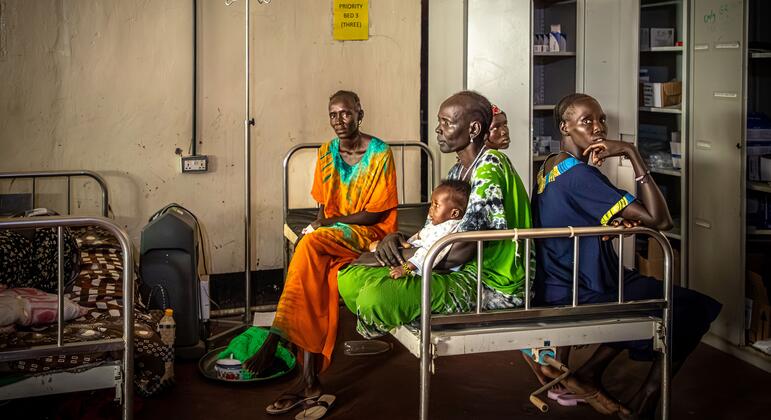
In the latest developments, fighting has erupted in the Akobo region, predominantly inhabited by the Nuers ethnic group. Clashes between rival factions have escalated. Local sources report that the violence has led to civilian casualties and has displaced numerous families. The International Committee of the Red Cross has confirmed that access to the region is severely restricted, hampering humanitarian efforts.
Implications for Stability
The fighting in Akobo is more than just a localized issue; it threatens to destabilize the entire Jonglei state and could have ripple effects across South Sudan. With ethnic tensions already high, the situation could devolve further if not addressed promptly. The international community is urged to intervene and facilitate dialogue among conflicting parties to prevent further escalation.
Afghan Women Shut Out of Justice
The Current Status of Women in Afghanistan
Since the Taliban regained control of Afghanistan in August 2021, women have faced increasing restrictions on their rights and freedoms. The new regime has systematically rolled back gains made over two decades in education, employment, and personal freedoms.
Justice System Failures
A particularly alarming development is the exclusion of women from the justice system. Reports indicate that Afghan women have been largely unable to seek legal recourse or protection from violence, with Taliban authorities not only ignoring their pleas but actively discouraging them from pursuing legal action. This lack of justice perpetuates a cycle of violence and oppression against women, further marginalizing them in society.
International Response
The situation for Afghan women has garnered international condemnation, with various NGOs and human rights organizations calling for action. Governments around the world are urged to implement measures aimed at safeguarding women’s rights in Afghanistan, including sanctions against Taliban leaders who violate human rights.
Conclusion
The alarming developments in Myanmar, South Sudan, and Afghanistan underscore the urgent need for international intervention and humanitarian assistance. In each of these situations, civilians are facing dire circumstances that require immediate attention. The world cannot stand idle as crises unfold and innocent lives are endangered. Whether through diplomatic pressure, humanitarian aid, or conflict resolution initiatives, a coordinated global response is essential.
Call to Action
As we explore the complexities of global conflict and humanitarian crises, it is crucial for the international community to prioritize these issues. Collective action, public awareness, and advocacy for human rights are imperative for driving change and alleviating suffering. The time to act is now; let us raise our voices for those who cannot speak for themselves.
Stay informed, share these stories, and advocate for a world where human rights are upheld and conflicts are resolved peacefully.
For more details and the full reference, visit the source link below:
Read the complete article here: https://news.un.org/feed/view/en/story/2026/03/1167099

