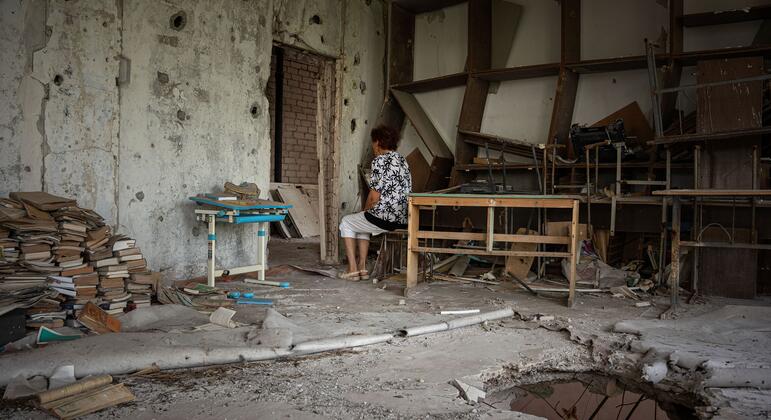

The Traumatic Legacy: A Survivor’s Story from War-Torn Ukraine
Introduction
In the heart of Eastern Europe, the ongoing conflict in Ukraine has left deep scars, not just on the landscape but on the lives of countless individuals. Among the most poignant stories are those of survivors of sexual violence, who bear the heavy burden of trauma long after the physical threats have subsided. This article explores the harrowing experiences of survivors, the psychological impact of their ordeals, and the urgent need for support and healing in war-torn regions.
Understanding the Context of Sexual Violence in Conflict
The Reality of War
War often brings out the worst in humanity. In many conflicts around the world, sexual violence is used as a weapon of war, intended to humiliate, dominate, and destroy communities. In Ukraine, as the conflict escalated, reports of sexual violence became increasingly alarming. Women and men alike have become victims, facing atrocities that go beyond the battlefield.
The Global Perspective
Sexual violence in armed conflict is not unique to Ukraine; it’s a global issue. According to the United Nations, an estimated 20% of women and girls experience sexual violence in times of conflict. The psychological consequences are often lifelong, leading to PTSD, depression, and anxiety, which disproportionately affect those who have endured such traumatic experiences.
The Survivor’s Journey: Personal Narratives
The Impact of Trauma
One survivor, who wishes to remain anonymous, recounts her harrowing experience. “The trauma will stay with me for life,” she says, a statement that echoes the sentiments of many victims. The physical violation is only a fraction of the pain; the emotional and psychological scars can last a lifetime.
The Psychological Toll
Survivors often grapple with feelings of shame, guilt, and isolation. Many struggle to reintegrate into society, facing stigmatization and discrimination. The mental health challenges can be even more daunting than the physical ones.
Coping Mechanisms and Healing
While the trauma often becomes part of one’s identity, many survivors find ways to cope and heal. Through therapy, support groups, and community initiatives, they begin to reclaim their lives. The journey is long and fraught with challenges, but hope is a powerful motivator.
The Social and Cultural Stigma
Silence and Shame
In many cultures, sexual violence is shrouded in silence. Victims may be reluctant to come forward for fear of being blamed or shamed. In Ukraine, societal attitudes towards sexual violence can further complicate the healing process. The stigma attached to victimhood often silences survivors, isolating them even more.
Breaking the Silence: Advocacy and Awareness
Raising awareness about the importance of breaking the silence surrounding sexual violence is crucial. Advocacy groups and NGOs play a vital role in educating communities, providing resources, and creating safe spaces for survivors to share their stories.
The Role of Support Systems
Community Initiatives and Therapy
Support systems are essential for the recovery of survivors. Community initiatives focused on mental health and trauma recovery can provide safe environments for survivors to heal. Access to therapy, crisis counseling, and peer support can significantly improve outcomes for those affected.
Government and International Aid
Both local and international organizations have been active in providing assistance to survivors in Ukraine. Initiatives can include legal support, healthcare, and emergency shelters, which are vital in helping victims recover and reintegrate into society.
The Importance of International Attention
Drawing Global Focus on Ukraine
The ongoing war in Ukraine has captured international attention, but it is crucial that the specific issue of sexual violence does not get swept under the rug. Victims need global support and advocacy; they need to know that their stories matter and that healing is possible.
Holding Perpetrators Accountable
To deter future acts of violence, it’s essential to hold perpetrators accountable. International law must be enforced to protect the rights and dignity of victims. Justice is a crucial part of the healing process for many survivors.
Moving Towards Recovery: Strategies for Healing
Empowerment through Education
Education is a powerful tool in the recovery process. By educating survivors and communities about their rights and available resources, we empower them to take control of their healing process. Workshops and seminars can provide valuable information about coping strategies and available support systems.
The Role of Therapy in Recovery
Therapy is often a cornerstone in the recovery journey for survivors of sexual violence. Techniques such as cognitive behavioral therapy (CBT) and trauma-focused therapy can help individuals process their experiences and develop healthier coping mechanisms.
Conclusion
The voices of survivors echo the haunting legacy of sexual violence in war-torn Ukraine. As one survivor poignantly stated, “The trauma will stay with me for life.” This statement encapsulates not just the pain of individual experiences but the collective struggle for dignity and healing in the aftermath of conflict.
It is vital that we continue to advocate for awareness, support, and justice for survivors of sexual violence. By amplifying their stories, offering resources, and creating safe spaces for healing, we can help transform their trauma into resilience. Together, we can work towards a future where the scars of war are replaced with hope, healing, and a renewed sense of community.
Call to Action
If you or someone you know is a survivor of sexual violence, please reach out to local support services or organizations dedicated to helping individuals heal from their trauma. Remember, you are not alone, and recovery is possible.
For more details and the full reference, visit the source link below:
Read the complete article here: https://news.un.org/feed/view/en/story/2026/02/1167047

