
Security Council LIVE: Sudan in Focus Amid Genocide Warnings in Darfur
Introduction
The humanitarian crisis in Sudan, particularly in Darfur, has escalated alarmingly over recent months. As the United Nations Security Council convenes to discuss the situation, there are urgent warnings of potential genocide. This article will explore the current developments, the role of the Security Council, and the ongoing plight of the people in Darfur.
The Background of the Conflict in Sudan
Sudan has a long history of conflict, particularly in the Darfur region, which has been marred by violence, ethnic tension, and political instability since the early 2000s. The situation took a dire turn with the rise of armed groups and the government’s violent crackdown on dissent. The 2003 conflict resulted in the deaths of hundreds of thousands and the displacement of millions, with many seeking refuge in neighboring countries.
Current Developments: The Security Council’s Focus
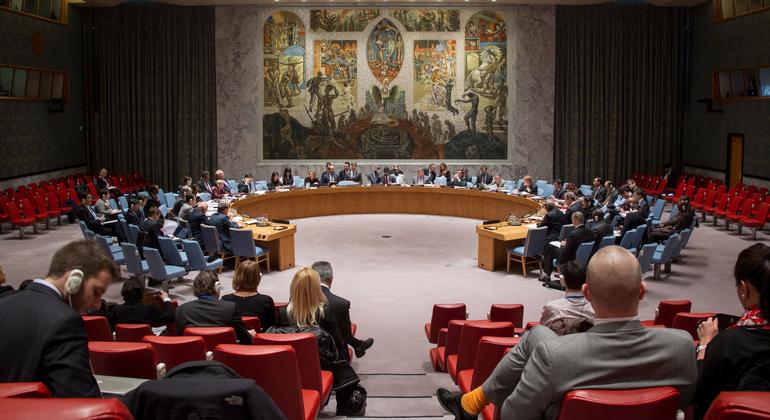
As the situation deteriorates, the United Nations Security Council has turned its attention to Sudan, with particular focus on Darfur. Recent reports indicate that clashes have intensified, leading to significant fears of widespread atrocities against civilians. During the latest Security Council meeting, representatives expressed deep concern over the humanitarian impact and appealed for immediate action.
Key Points Discussed
-
Civilian Safety: Protecting civilians remains a priority as reports of violent clashes circulate. The Council emphasized the need for comprehensive measures to safeguard those most at risk.
-
Humanitarian Access: A major barrier to alleviating the crisis is restricted access to humanitarian aid. Countries in the region, including Sudan, have imposed significant limitations on aid organizations, preventing vital supplies from reaching those in need.
-
International Accountability: The Security Council is discussing mechanisms to hold perpetrators of violence accountable. The emphasis is on ensuring that justice prevails to deter future attacks.
-
Coalition Building: Collaborating with regional organizations, such as the African Union, is seen as crucial for a unified response to the crisis.
The Role of the United Nations
Peacekeeping Missions
The United Nations has deployed peacekeeping missions to Sudan, but their effectiveness has been debated. Challenges such as inadequate resources, limited mandates, and hostile environments have hampered their ability to protect vulnerable populations.
Humanitarian Efforts
The UN has also been at the forefront of delivering humanitarian aid to the affected regions. However, the ongoing violence poses significant risks to aid workers, further complicating efforts to provide basic necessities such as food, water, and medical care.
Warning Signs of Genocide
In recent months, there have been alarming warnings from human rights organizations regarding potential genocidal actions against specific ethnic groups in Darfur. Reports from various NGOs highlight systematic killings, targeted violence, and ethnic cleansing tactics.
Evidence of Escalating Violence
- Targeted Attacks: Specific communities are being systematically targeted, raising fears of genocide.
- Destruction of Homes and Livelihoods: Many villagers have lost their homes and sources of income due to attacks.
- Forced Displacement: Thousands have been displaced, leading to overcrowded camps with insufficient resources.
Global Response and Responsibility
International Community’s Role
The global community has a shared responsibility to intervene and prevent further escalation in Darfur. Diplomatic efforts must be intensified, and support for humanitarian organizations should be amplified. Countries must collaborate to provide urgent resources and frameworks for peacebuilding.
Sanctions and Diplomatic Pressure
Implementing targeted sanctions against individuals or entities exacerbating the violence may serve as a deterrent. Additionally, diplomatic pressure can encourage parties to engage in dialogue and prioritize the protection of civilians.
Personal Stories from Darfur
Voices from the Ground
The voices of those affected by the violence in Darfur deserve to be heard. Survivors recount harrowing tales of loss, survival, and resilience despite overwhelming odds. These personal stories highlight the urgency for international action and empathy.
Testimonies
- A Widow’s Plight: One survivor shared her story of losing her husband during an attack, leaving her to care for several children alone in a camp.
- Youth Perspectives: Young individuals describe their dreams, aspirations, and the fear that their futures are being stolen due to violence.
The Path Forward: A Call to Action
Immediate Priorities
- Increased Humanitarian Efforts: Encourage countries to contribute resources to aid efforts.
- Protection for Civilians: Implement measures to ensure the safety of civilians in conflict zones.
- Reinforced Peacekeeping: Expand and empower peacekeeping missions with appropriate resources and mandates.
Long-Term Solutions
- Peace Negotiations: Engage all stakeholders in meaningful dialogue to address underlying issues of the conflict.
- Community Engagement: Support grassroots initiatives that promote coexistence and reconciliation between different ethnic groups.
Conclusion
The situation in Sudan, specifically in Darfur, is dire and requires immediate attention from the United Nations Security Council and the broader international community. As warnings of genocide intensify, collaborative efforts must prioritize the protection of civilians, expand humanitarian access, and hold those accountable for violence. The voices of Darfur’s people must resonate in the halls of power, urging action to prevent further atrocities.
Through focused attention on this crisis, and with a commitment to justice and humanity, we can hope for a more peaceful and stable future in Sudan.
For more details and the full reference, visit the source link below:
Read the complete article here: https://news.un.org/feed/view/en/story/2026/02/1166999