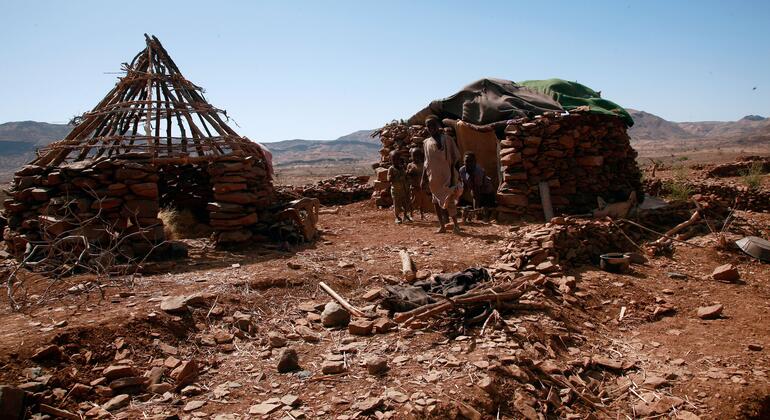

Sudan: Hallmarks of Genocide Found in El Fasher – UN Investigators Detail Mass Killings and Ethnic Targeting
Introduction
In recent reports, the United Nations has unveiled critical findings regarding the humanitarian crisis in Sudan, particularly in the city of El Fasher, the capital of North Darfur. Described as a “tragic chapter” in Sudan’s history, the investigation highlights overwhelming evidence of mass killings and ethnic targeting, reflecting the hallmarks of genocide. This article delves into the key findings of the UN investigators, examining the implications for Sudan and the international community.
Background of the Crisis in Sudan
Sudan has experienced decades of conflict, primarily driven by political, economic, and ethnic disparities. The Darfur region, in particular, has been plagued by violence since 2003, escalating into a complex humanitarian crisis with mass displacements. The conflict has often manifested through systematic attacks against specific ethnic groups, raising alarms regarding the potential for genocide.
Key Findings from UN Investigators
Mass Killings
UN investigators have reported alarming evidence of mass killings in El Fasher. Eyewitness accounts and forensic evidence suggest that armed groups targeted civilians based on their ethnicity. The investigators documented numerous instances where entire villages were attacked, leading to significant loss of life.
Ethnic Targeting
The ethnic component of the violence has raised red flags among international observers. Investigators revealed that the attacks were not random but specifically aimed at certain ethnic groups, particularly those perceived to be aligned with opposition forces. This deliberate targeting is a clear sign of genocidal intent, as outlined by the 1948 UN Convention on the Prevention and Punishment of the Crime of Genocide.
Systematic Use of Violence
The investigation pointed to a systematic method of violence utilized by armed groups. Reports indicated that women and girls faced not only killings but also instances of sexual violence, aimed at instilling fear and perpetuating divisions within communities. Such tactics are indicative of a broader strategy to annihilate or severely damage a targeted group.
The Role of Government Forces
Complicity or Inaction?
A key aspect of the UN report is the role of Sudanese government forces. Investigators noted instances where government troops either participated in the violence or failed to protect civilians. This complicity raises questions about the government’s commitment to upholding human rights and poses significant challenges for potential accountability measures.
The Implications of Government Policies
The Sudanese government has historically adopted policies that marginalize certain ethnic groups. This systemic discrimination can create an environment conducive to violence and acts of genocide. The international community must scrutinize these policies to prevent further escalations of violence.
International Reactions
Calls for Accountability
Following the release of the UN report, there have been widespread calls for accountability. Human rights organizations and activists are urging the international community to take decisive action against those responsible for the atrocities in El Fasher.
The Need for International Intervention
The situation in Sudan requires urgent international attention. Many experts argue for a renewed focus on intervention efforts, citing the need for protective measures for civilians and support for humanitarian aid. The United Nations and other organizations must collaborate to ensure that such acts of violence do not go unpunished.
Humanitarian Impact
Displacement and Refugee Crisis
The violence in El Fasher has exacerbated the displacement crisis in Sudan. Thousands of individuals have fled their homes, leading to overcrowded refugee camps and overwhelming humanitarian needs. The international community must address the urgent requirements for food, shelter, and medical assistance to affected populations.
Long-Term Consequences
The long-term effects of the violence in El Fasher are likely to be profound. Socioeconomic instability, intergenerational trauma, and the breakdown of social cohesion are just a few of the anticipated consequences. Addressing these impacts will require sustained commitment and resources from both the Sudanese government and international partners.
Conclusion
The recent findings by UN investigators concerning the mass killings and ethnic targeting in El Fasher highlight a critical juncture for Sudan. With evidence pointing towards the hallmarks of genocide, the international community faces an ethical and moral imperative to act. Increased scrutiny, proactive measures, and sustained diplomatic efforts are necessary to prevent further atrocities and to seek justice for victims. The world must remain vigilant and assertive in its response to ensure that the tragedies of the past are not repeated.
Call to Action
As concerned global citizens, it is essential to stay informed about this ongoing crisis. Advocacy, awareness, and support for humanitarian initiatives can lead to meaningful change. Using social media, participating in awareness campaigns, and urging government representatives to take action are ways individuals can contribute to confronting the humanitarian catastrophe in Sudan.
Further Reading
- The Role of Ethnicity in Conflict
- International Law and Genocide Prevention
- Current Humanitarian Efforts in Sudan
By equipping ourselves with knowledge and fostering solidarity, we can help mitigate the impacts of violence and promote a peaceful resolution to the conflicts plaguing Sudan.
For more details and the full reference, visit the source link below:
Read the complete article here: https://news.un.org/feed/view/en/story/2026/02/1166997

