
Ramadan in Gaza: A Struggle Against Deprivation and High Prices
Introduction
Ramadan, the holy month of fasting, reflection, and community, holds profound significance for Muslims worldwide. In Gaza, however, the observance of Ramadan is marked by unique challenges, including deprivation, soaring prices, and the hardships of displacement. This article explores the realities faced by Gazans during Ramadan, highlighting their resilience amid significant obstacles.
The Significance of Ramadan
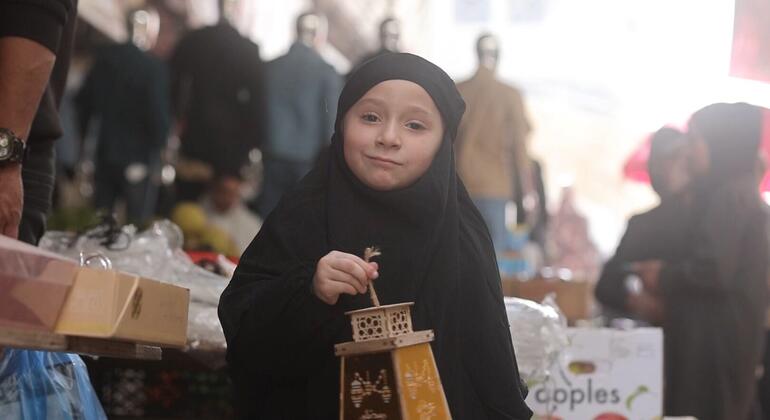
Ramadan is a time for spiritual reflection, increased devotion, and worship. Muslims fast from dawn until sunset, breaking their fast with the meal known as Iftar. In Gaza, the spirit of Ramadan is palpable, with families gathering to break their fast together. However, the joy of this holy month is overshadowed by the socio-economic difficulties that residents face.
Economic Hardships in Gaza
High Prices and Economic Instability
Gaza’s economy has been severely impacted by years of conflict, blockade, and political instability. This economic backdrop makes the observance of Ramadan particularly burdensome. As Ramadan approaches, residents face soaring food prices exacerbated by limited supply chains and inflation. Essential items like flour, sugar, and cooking oil see dramatic increases, making it challenging for families to prepare traditional Iftar meals.
Limited Income Opportunities
With unemployment rates in Gaza exceeding 40%, many families struggle to make ends meet. As a result, the purchasing power of residents diminishes, forcing them to prioritize essential goods over traditional Ramadan foods. This financial strain severely limits the ability to partake in communal Iftar and the purchase of sweets and other festive foods that characterize the month.
The Cause of Displacement and Its Implications
Impact of Conflict on Families
Years of conflict have led to significant displacement among Gazans. Thousands have lost their homes, and many more live in temporary shelters or crowded conditions. This displacement complicates the observance of Ramadan, as families lack the basic necessities for traditional festivities.
The Importance of Community During Ramadan
For many Gazans, community plays a pivotal role during Ramadan. The challenges of displacement can hinder social gatherings, a vital aspect of the holy month. While many find solace in communal prayers and shared Iftar meals, the pressures of displacement restrict these experiences, contributing to a sense of isolation during a time traditionally dedicated to togetherness.
Resilience Amid Hardship
Coping Mechanisms
Despite the challenges they face, Gazans demonstrate remarkable resilience during Ramadan. Community organizations and charities play an essential role in providing assistance, from food parcels to financial support. Many families band together, pooling resources to ensure that they can share Iftar meals, fostering a sense of community in adversity.
Maintaining Traditions
Despite inflation and scarcity, Gazans strive to maintain their Ramadan traditions, from special dishes to nightly prayers. Families often prioritize cultural practices, such as eating dates to break the fast and gathering for Taraweeh prayers, even if they cannot afford lavish meals. This commitment to tradition provides a window of hope in their troubling circumstances.
The Role of NGOs and Charitable Organizations
Providing Support
Numerous NGOs and charitable organizations work tirelessly to alleviate the suffering of Gazans during Ramadan. These organizations provide food aid, medical assistance, and mental health support. They often organize community Iftar gatherings, ensuring that even the most vulnerable families have a place to share the breaking of the fast.
Promoting Awareness
These organizations also play a crucial role in drawing attention to the draconian conditions faced by Gazans, highlighting the need for international support and intervention. By raising awareness of the true meaning of Ramadan amid rising deprivation, they encourage global empathy and action.
The Importance of Solidarity
Global Support During Ramadan
In recent years, international activists and organizations have worked to show solidarity with the people of Gaza, particularly during Ramadan. Through social media campaigns and fundraising efforts, these initiatives aim to provide much-needed financial aid to families affected by conflict.
Building Bridges
The commitment to uphold the spirit of Ramadan, even in the darkest times, serves as a reminder of the importance of community, support, and compassion. This global engagement helps foster a sense of unity that transcends borders, reminding Gazans that they are not alone in their struggles.
Conclusion
Ramadan in Gaza is a bittersweet experience, filled with both spiritual devotion and significant hardship. High prices, economic instability, and the impact of displacement create a complex and often painful reality for many families. However, the resilience of the Gazan people in maintaining their traditions, fostering community, and seeking support demonstrates their unyielding spirit.
As the world reflects on the significance of Ramadan, it is crucial to recognize and uplift the voices of those in Gaza, advocating for the support they need to navigate the challenges of this holy month and beyond. In a time when the essence of Ramadan is meant to inspire compassion and generosity, the plight of Gazans serves as a vital reminder of the ongoing struggle for dignity and hope.
By sharing their stories, we can shine a light on their resilience and the importance of solidarity, ultimately reinforcing the values that Ramadan embodies: mercy, compassion, and social justice.
For more details and the full reference, visit the source link below:
Read the complete article here: https://news.un.org/feed/view/en/story/2026/02/1166985