
30,000 People Flee Fresh Violence in Haiti as Hunger Crisis Deepens
Introduction
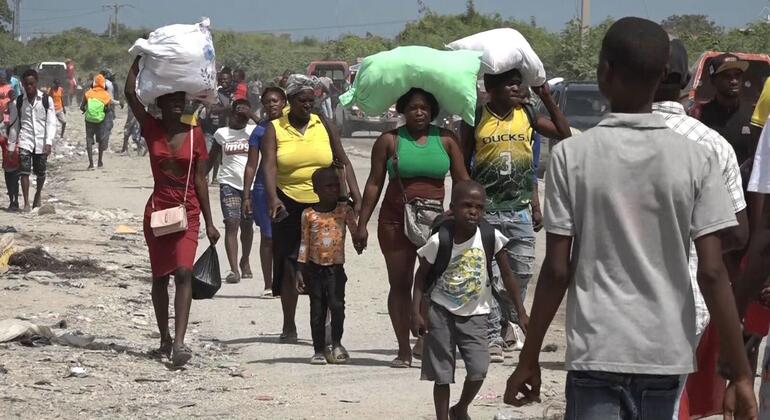
Haiti, the Caribbean nation grappling with decades of political instability and economic strife, is currently witnessing a humanitarian crisis as 30,000 people flee fresh violence. The situation is exacerbated by a worsening hunger crisis that leaves many in desperate need. In this article, we will explore the factors driving this violence, the profound impact on the population, and the international community’s response to the ongoing humanitarian disaster.
The Current Violence in Haiti
Rise in Gang Activity
Over recent months, escalating gang violence has plagued Haiti, particularly in the capital, Port-au-Prince. Clashes between rival gangs have led to rampant lawlessness, displacing thousands of families. According to various reports, the gangs are fighting over territories that control essential supply routes, contributing to a cycle of violence that has spiraled out of control.
Civil Unrest and Political Instability
In addition to gang-related violence, political instability continues to be a significant factor in the ongoing crisis. The assassination of President Jovenel Moïse in July 2021 left a power vacuum that various factions have attempted to exploit. Without effective governance, law enforcement has become almost non-existent, further enabling gang violence and civil unrest.
Growing Fear and Displacement
The recent surge in violence has created an atmosphere of fear among the population. As gunfire becomes a common sound in neighborhoods, families are fleeing their homes in search of safety. Reports indicate that many are seeking refuge in overcrowded shelters, further straining already limited resources.
Hunger Crisis in Haiti
Worsening Food Insecurity
Compounding the challenges in Haiti is a deepening hunger crisis. A combination of factors—including economic collapse, agricultural failure, and exacerbation from natural disasters—has left millions in dire straits. As of now, approximately 4.9 million people are experiencing acute food insecurity, with many teetering on the brink of famine.
Economic Factors
The economic situation in Haiti has been dire for years, worsened by the COVID-19 pandemic and inflation. Joblessness and rising prices of staple foods have severely limited access to nutrition for many households. As the economy continues to crumble, hunger and desperation drive people away from their homes, further fueling the cycle of violence as they seek resources.
Malnutrition and Health Implications
The impact of hunger on health is profound. Malnutrition is on the rise, particularly among children, with long-term consequences for their development. Health facilities are overwhelmed, and a lack of proper medical care makes the situation more dire.
Humanitarian Response and Support
International Aid Efforts
In light of the crisis, various international organizations and humanitarian agencies have mobilized to help. The UN has been actively involved in providing food, medical assistance, and shelter to the displaced population. However, these efforts face significant challenges, including security issues that hinder the delivery of aid.
Local Organizations and Initiatives
Local NGOs are also playing a crucial role in addressing the needs of affected communities. They provide vital food and medical assistance, albeit on a limited scale due to resource constraints. Community organizations have mobilized to create food banks and offer psychosocial support to displaced families.
The Role of the Diaspora
The Haitian diaspora has stepped up to contribute as well, sending remittances and organizing fundraising efforts to provide aid to those affected. This support is invaluable in a country where many people rely on these funds for basic survival.
The Path Forward
Need for Comprehensive Solutions
Resolving the crisis in Haiti will require a multi-faceted approach. There is an urgent need for stronger governance and law enforcement to restore safety and stability. Additionally, economic investments must be made to revive agricultural sectors and create employment opportunities.
Long-term Commitment from the International Community
International stakeholders must commit to long-term solutions rather than temporary fixes. This includes supporting infrastructure development, governance reform, and sustainable agriculture practices to alleviate food insecurity.
Empowering Local Communities
It is imperative to empower local communities, giving them a voice in the decision-making process. Community-driven initiatives can effectively address the unique challenges faced by displaced populations, leading to sustainable solutions rooted in the needs and aspirations of Haitians.
Conclusion
The dual crises of violence and hunger in Haiti have created a catastrophic humanitarian situation, forcing tens of thousands to flee their homes in search of safety and sustenance. As the world looks on, there is a moral responsibility to address the root causes of these crises and support both immediate relief efforts and long-term solutions. The resilience of the Haitian people should inspire action from the global community, paving the way for a more stable, secure, and nourishing future for Haiti.
Call to Action
If you want to help, consider donating to reputable organizations that are working on the ground in Haiti. Spreading awareness through social media and engaging with local advocacy groups can also contribute to addressing this pressing humanitarian crisis. Together, we can make a difference.
For more details and the full reference, visit the source link below:
Read the complete article here: https://news.un.org/feed/view/en/story/2026/05/1167559